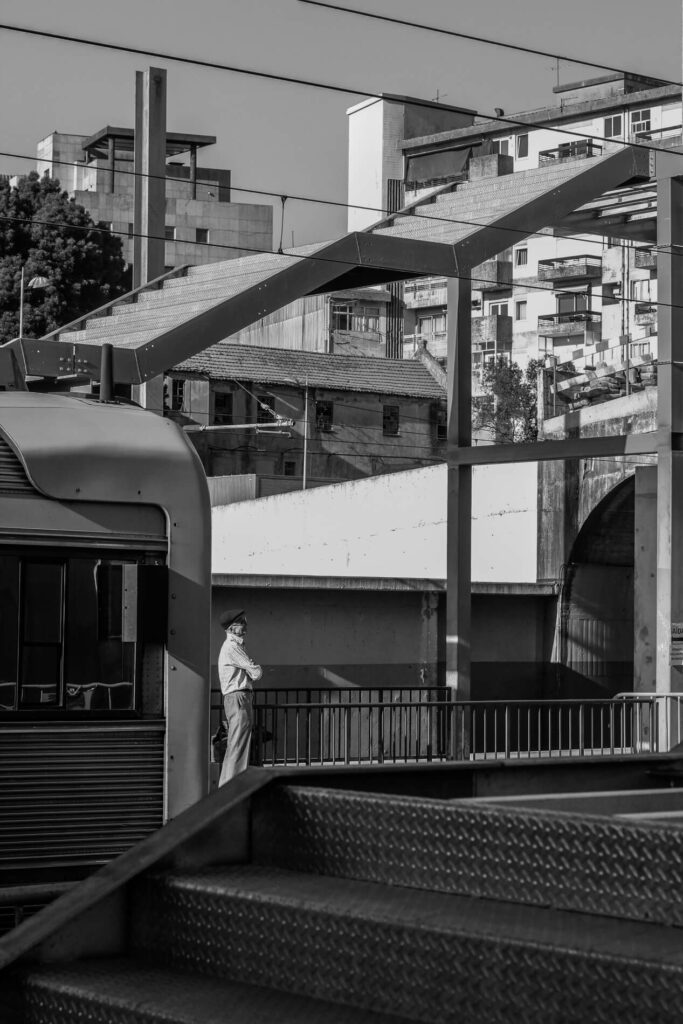
Most of the photographs I made early on were taken before anyone noticed me. If they had seen me, I usually wouldn’t press the shutter. At first, it felt tense, like I was doing something I hadn’t earned the right to do. With time, it became more routine, almost calm. The moment before someone notices you has a kind of stillness to it, even in busy places. It carries its own weight.
I remember photographing an older man at a small village party. There was music, lights, food stalls, everything loud and alive, but he sat apart from it, head in his hands, as if the night was happening around him instead of with him. Something in that posture felt familiar to me, which is probably why I raised the camera. I took the frame I wanted without him noticing. A second later, he lifted his face and saw me. His eyes widened through his fingers. A small, unmistakable sign of unhappiness.
The eyes are always the first thing that changes.
My body shifted too. Mostly adrenaline. I stayed still, hoping the moment would settle again, and took two more frames. The third caught the scowl and the eye contact. The lighting was poor, and the editing I did back then didn’t help, but the photograph still holds meaning for me. It’s honest, even if the honesty wasn’t part of the original intention.
There’s a layer that comes after surprise, an attempt to normalise the situation. This happens a lot at events, where there’s already an unspoken agreement that photographs will be taken. You approach a scene hoping for a candid moment, someone notices you, reacts, and then tries to return to whatever they were doing. The reset rarely works. You can feel the shift. I eventually learned it was better to walk a few laps, disappear for a moment, and try again later.
In street environments, you sometimes catch a reaction that feels real and unfiltered: surprise, irritation, humour, indifference. Some of those reactions have their own truth to them. But they exist because of you, not despite you. And that changes the moment. It’s not a criticism of street photography. It’s just the part that sat differently with me over time.
People respond in every way imaginable. Smiles, middle fingers, hands to the face, pulling someone close to join the frame. All of it depends on context. How comfortable they are, how present you are, whether the moment can absorb the interruption or not. The same reaction can mean something entirely different depending on who it comes from and why.
For a long time, I saw it as a kind of exchange: action, reaction, something shared for a fleeting moment. I don’t think I was wrong to see it that way at the time. But eventually the responsibility of altering the moment, even slightly, started to weigh more heavily.
I’ve always held a loose internal rule: don’t photograph from above, and don’t photograph from the outside in. If someone was uncomfortable, I let it go. There are endless streets and endless people. The trade-off rarely felt worth it. I wasn’t doing investigative work or chasing anything that demanded pushing past someone else’s discomfort.
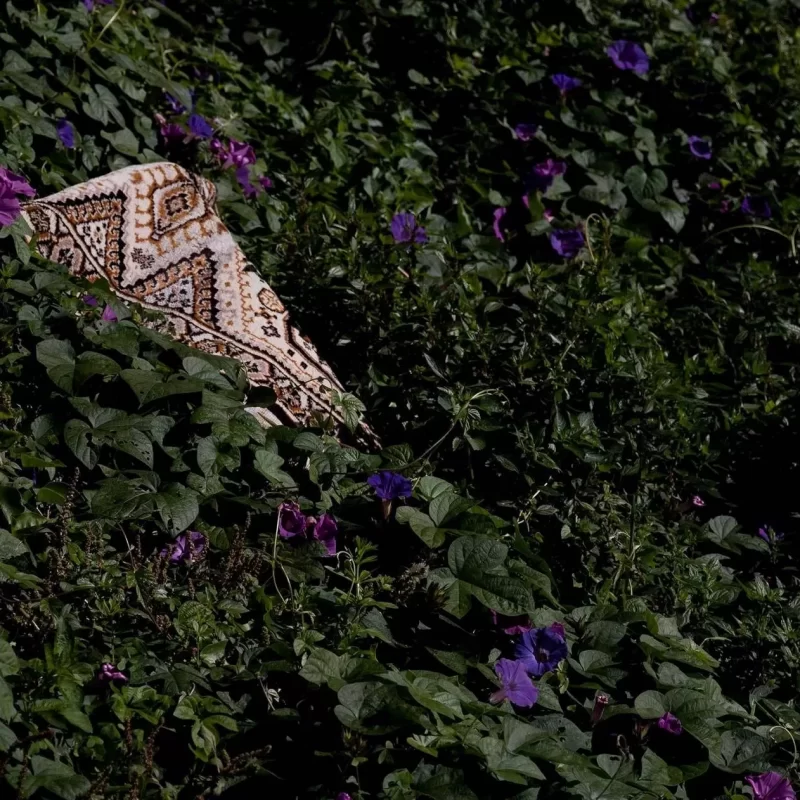
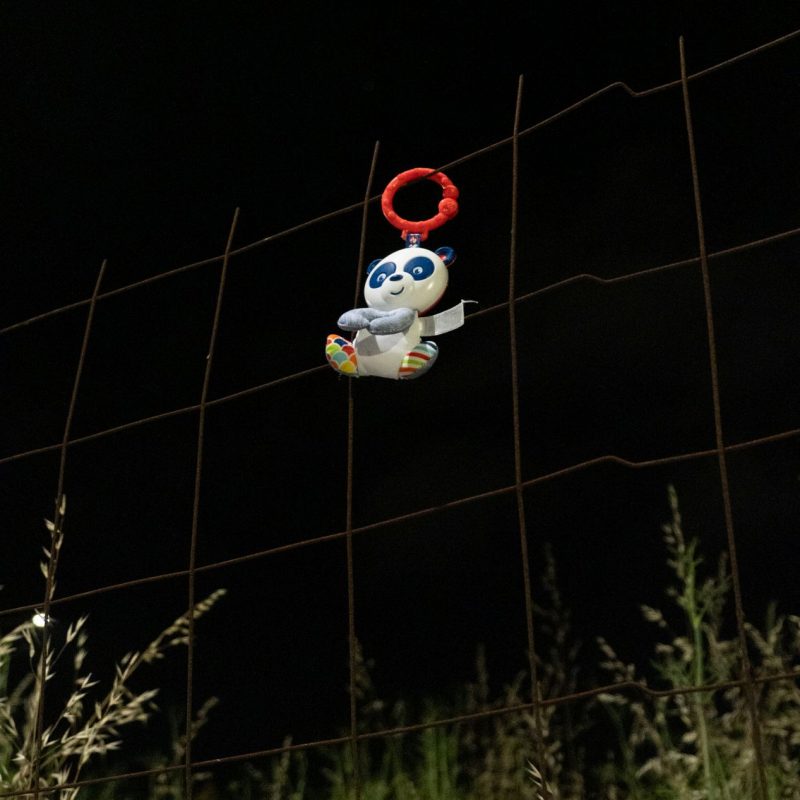
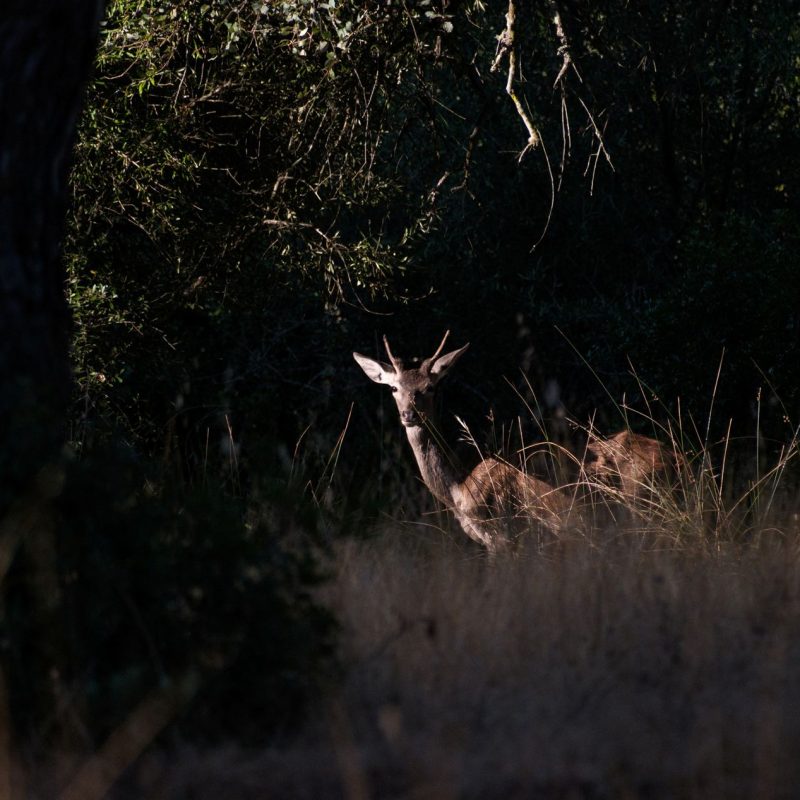
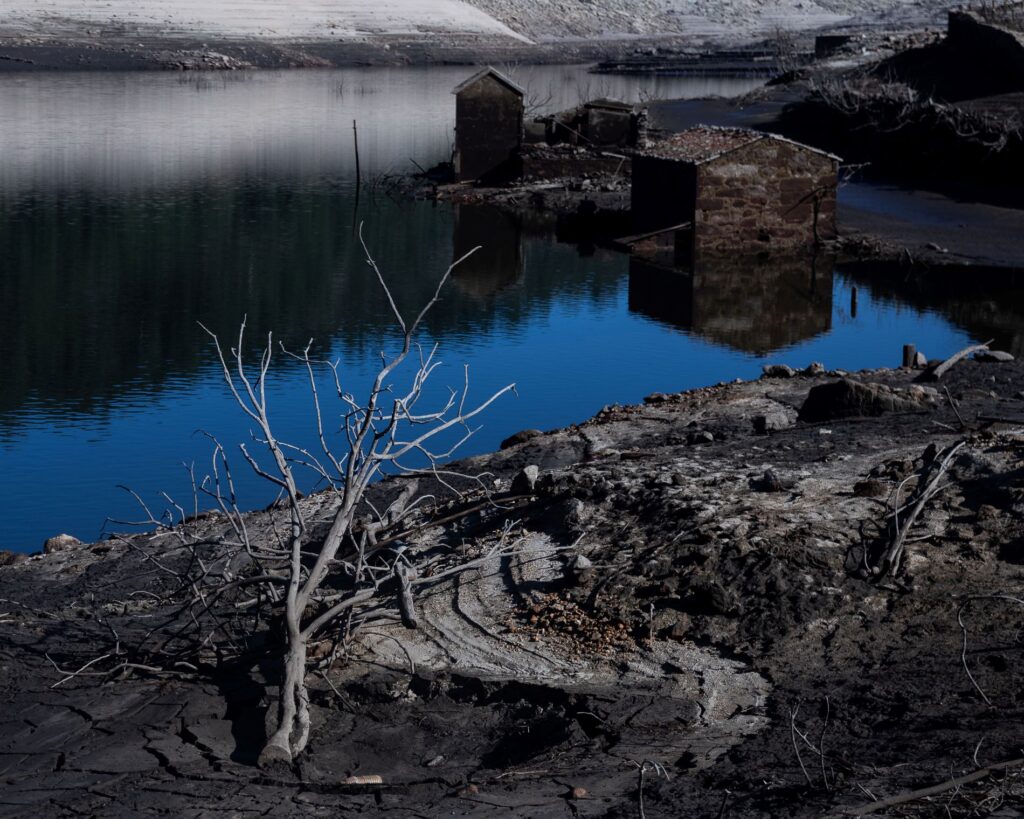
COVID-19 accelerated the drift. Masks covered half the expressions I had once gravitated toward, and any photograph with a bare face felt instantly dated. The work I was attracted to during that period wasn’t happening in the context of street photography, so I found myself spending more time in empty spaces, looking for scenes that couldn’t be tied to a specific year. The shift happened quietly. By the time I noticed it, I had already stepped away.
Leaving street photography didn’t close anything off. It just opened other directions. Portraits stopped feeling like an extension of street work. Architecture and small human moments scratched whatever curiosity I still had. And the rest I didn’t miss. Street photography continues to have incredible practitioners doing meaningful work. Here in Portugal, in Porto, everywhere. It simply isn’t the place where I find myself anymore.
Now it’s something I use when it’s useful, not something I chase on its own terms. The tools stayed with me. The distance helped me learn from other areas. And whatever part of it that still interests me fits into the work I’m doing now, instead of asking for a chapter of its own.