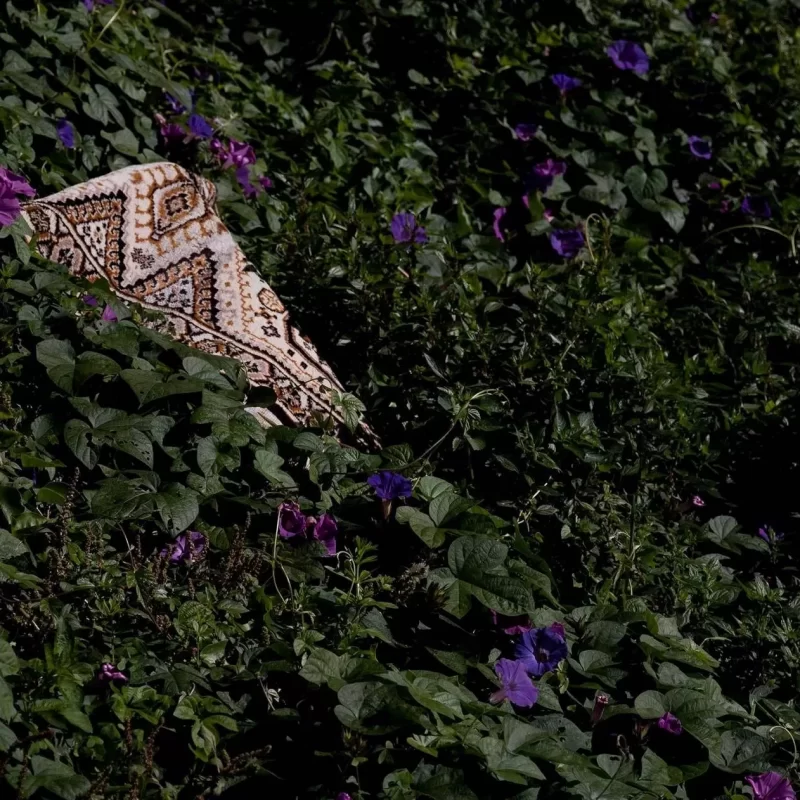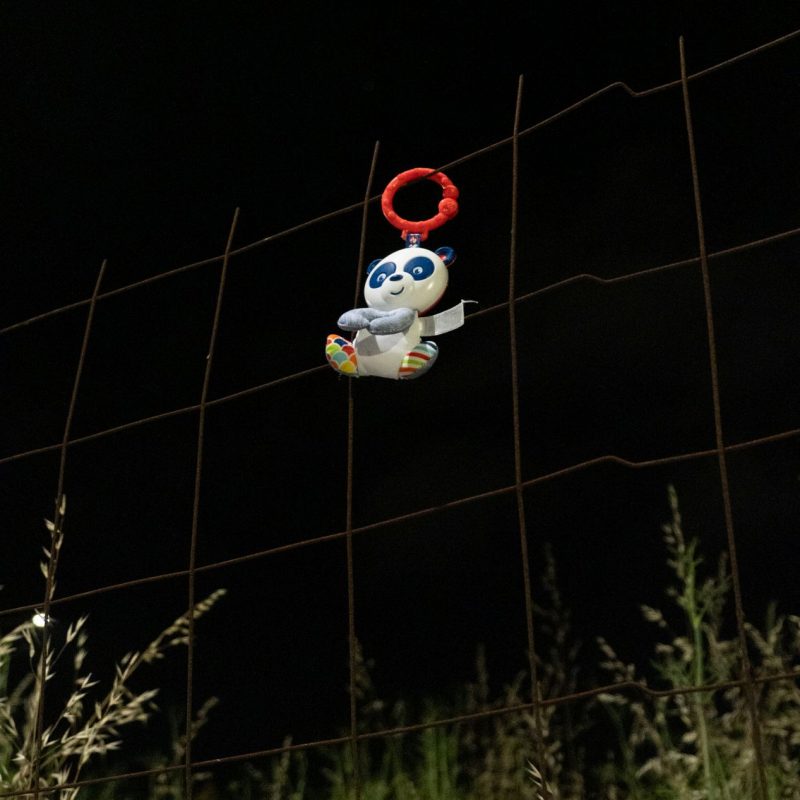
When asked, not that it happens very often, I struggle to explain why I photograph what I photograph. At least in any meaningful way. My quick answer has become something like: I like photographing things that do not care about being photographed.
There is truth in that, but it is not the whole thing. It is also a difficult question to answer. It feels similar to being asked for a favorite album or film. I tend to distrust people who respond immediately, especially when they follow it with a neat and eloquent explanation. As clichéd as it sounds, I think these things are more about how they make you feel. And I also distrust people who can articulate exactly why something makes them feel a certain way.
Which brings me, in a roundabout way, to the short version of my deeper answer: it is a feeling I cannot explain.
The first time I noticed it was on a foggy morning in Porto, at the top of Ponte Luis I. Fog is not rare here, but somehow we have convinced the world that the weather is always perfect. I had borrowed a camera and a simple prime lens. I was still figuring out what photography meant to me, still wandering without direction.
I made a frame of a stranger who looked equally surprised and irritated by the camera. At that point, I did not understand what street photography was. I still struggle to define it. The photograph itself was nothing special. What stayed with me was the feeling that arrived the moment before I pressed the shutter. Something in the act of noticing felt larger than the photograph itself. It caught me off guard.
I wanted to feel that again. So I kept going.
For a while, street photography felt like the path. I fell into the work of Gilden, Winogrand, Parr, and others. Some of it felt brilliant. Some of it challenged me. Some of it unsettled me. The early rush of making eye contact through the viewfinder felt exciting at first, but eventually the excitement thinned out. It began to feel cheap. Not wrong, not bad, just wrong for me. The confrontational energy that initially drew me in eventually pushed me away.
At some point, the feeling I had found on that foggy morning faded. I was photographing, but I was not connected to anything beneath the surface. The images looked like images, but they did not carry anything for me.
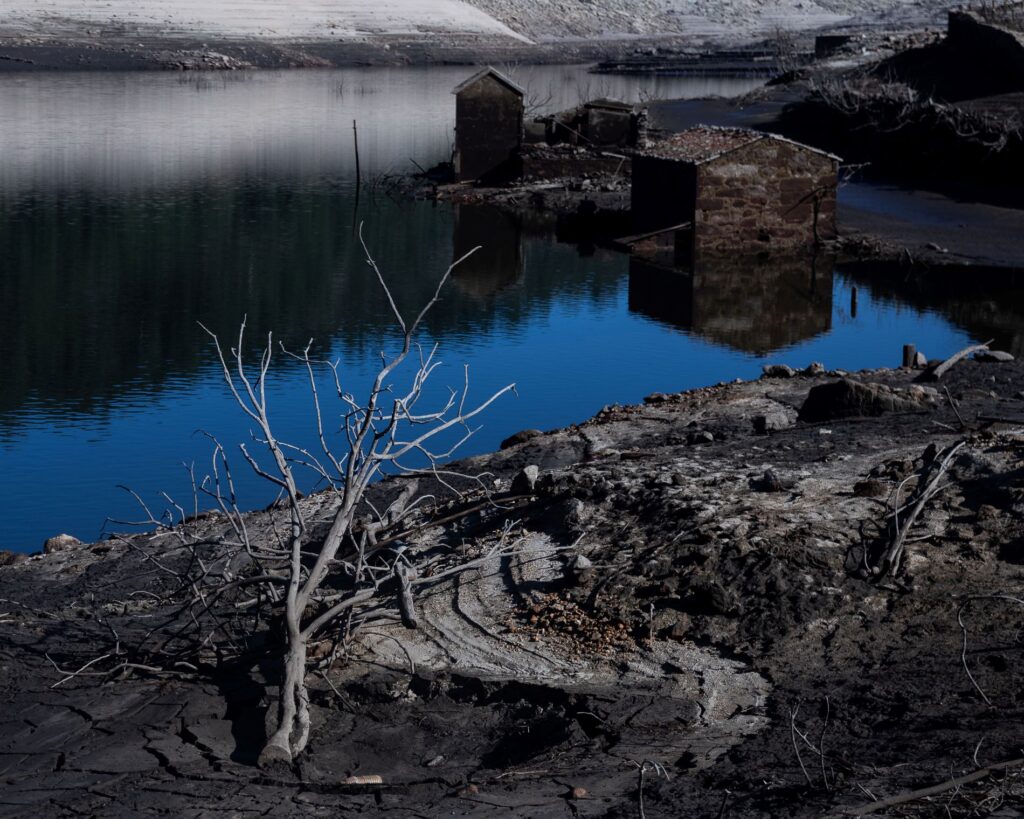
Then, quietly, something shifted again. It started with landscapes that felt slightly uncanny. Places that did not try to impress but carried a mood I could not explain. The feeling came back in small pieces. Not the same, but familiar. There was a calmness in those scenes, a sense that I could step into them without altering anything. And perhaps more importantly, if I tried to alter anything, I would only make it worse. It was my responsibility to capture it the way it made me feel, but without changing a thing.
I have always loved animals, but for some reason I never imagined myself photographing them. In all the cold emails I sent, in all the projects I imagined for myself, animals were never part of the picture. I admired wildlife photographers, but it felt like a distant possibility for someone who grew up around urban Porto. The closest I got to anything remotely wild was the sheep on the outskirts of town, and even then I was more focused on how cute they were than on any photographic opportunity. It was a blind spot I carried without noticing.
That changed in the Azores when I photographed the release of two loggerhead turtles for SEA LIFE. I had prepared myself for distance and caution, but instead I found something else entirely. The moment felt strangely full, almost familiar, in a way I could not place.
Photographing it felt meaningful in a way I had not expected. The feeling from that foggy morning returned, but with more weight behind it. It felt like I was being allowed into something I did not want to disturb. The act of photographing felt secondary in a way that felt right. The image was just a trace. The moment itself was what mattered.
When the day ended, I realized I wanted more of that. More than I had anticipated. More than I knew how to articulate.
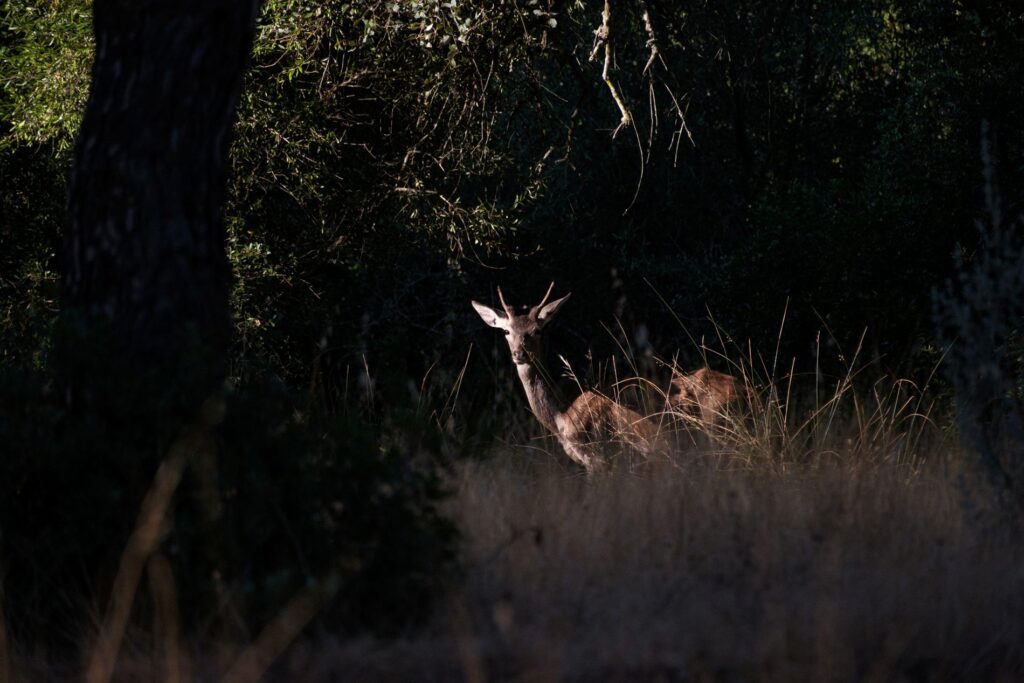
A couple of weeks later, I visited Doñana National Park, and the feeling that I was going in the right direction came back. A fallow deer stepped out from behind a cluster of trees and paused for a moment. The light was perfect. It looked at me, not with fear or curiosity, but with the kind of indifference that feels almost sacred. It was a second, maybe less, but I felt the same thing I had felt years earlier on the bridge in Porto. After losing it once, finding it again meant much more.
That second confirmed everything. It felt like someone had quietly pointed me toward a door I had been walking past without noticing. It made the connection that I had failed to make on my own. If the Azores opened the door, Doñana pushed me through it.
I still do not have a clear explanation for why these moments matter to me. I only know they do. And I can only be open to accepting them when they happen and grateful that they do. That feeling amidst the fog was brought back by Tarquin and Barnacle Bill, and then again with that male fallow deer, each time harder to ignore.
I follow places and subjects that evoke that feeling, and I try not to overthink it, let alone interfere with it. And for now, that is the closest thing to an answer I can offer.