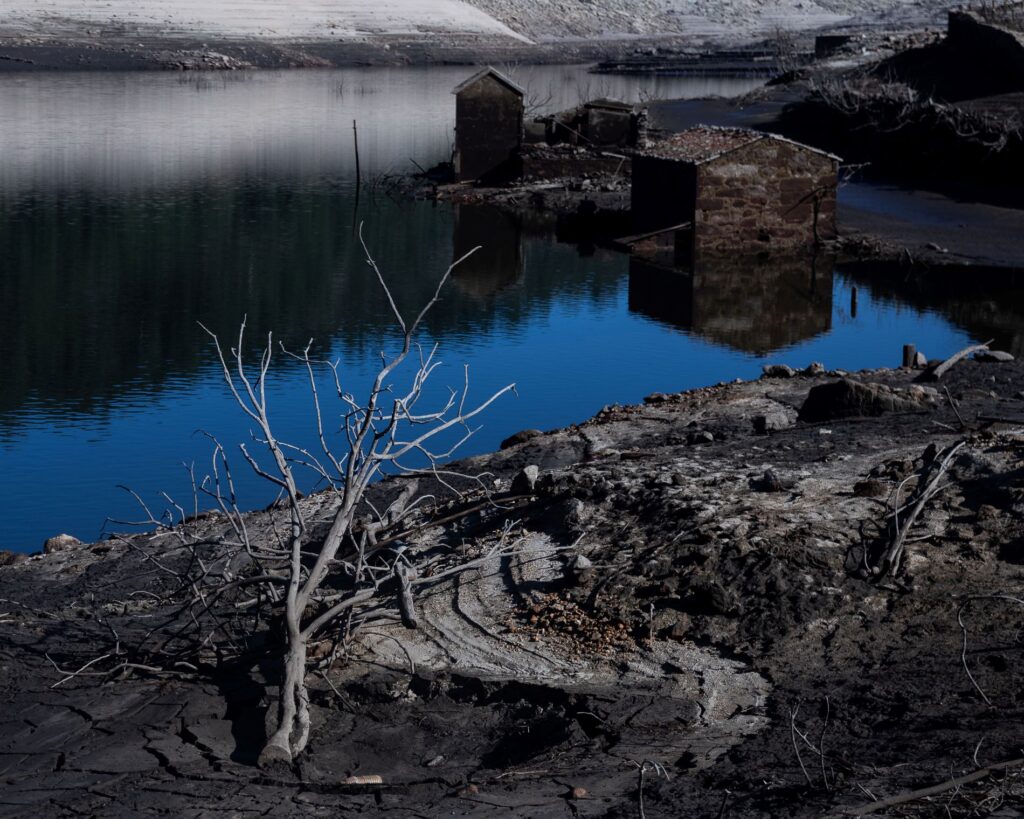
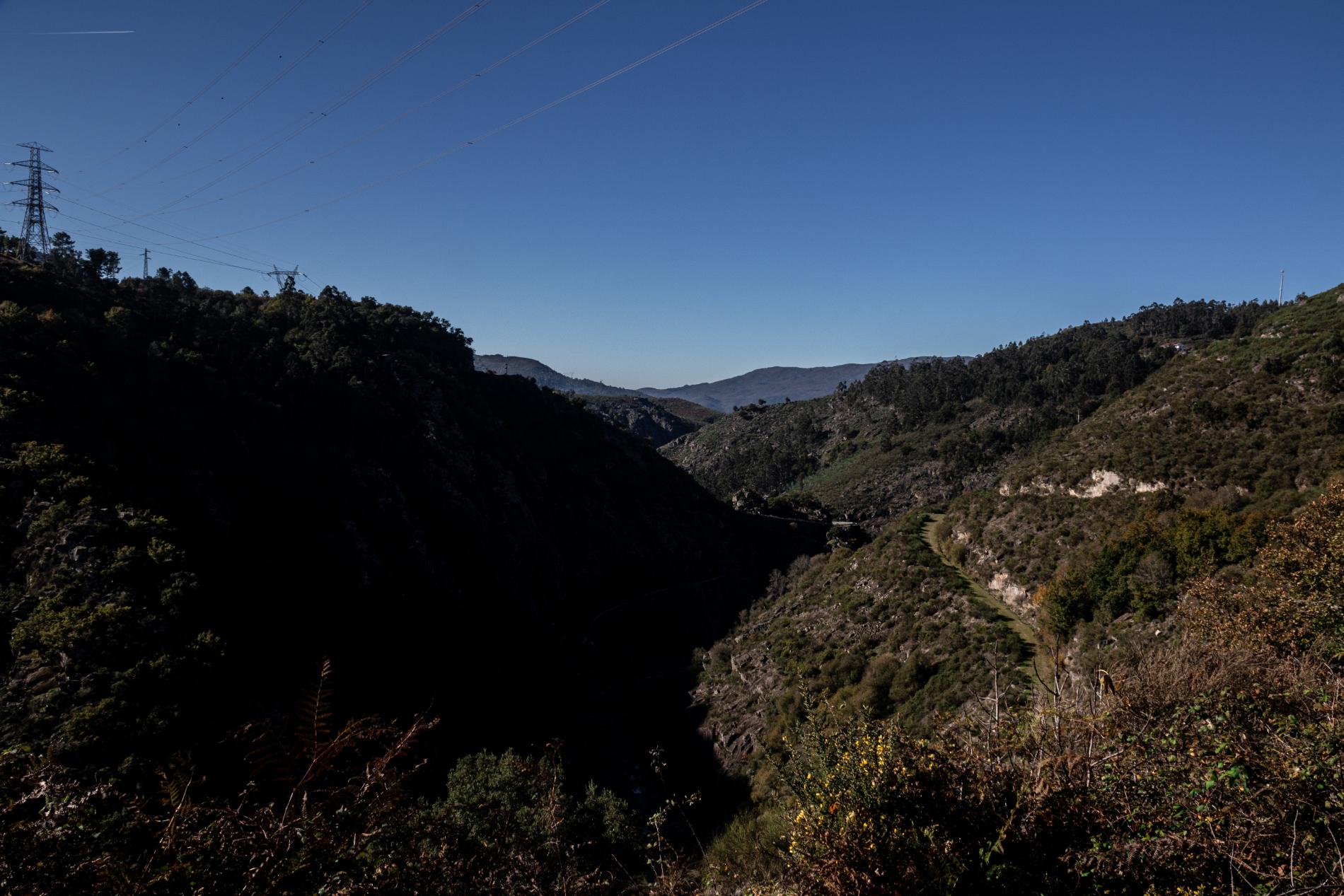
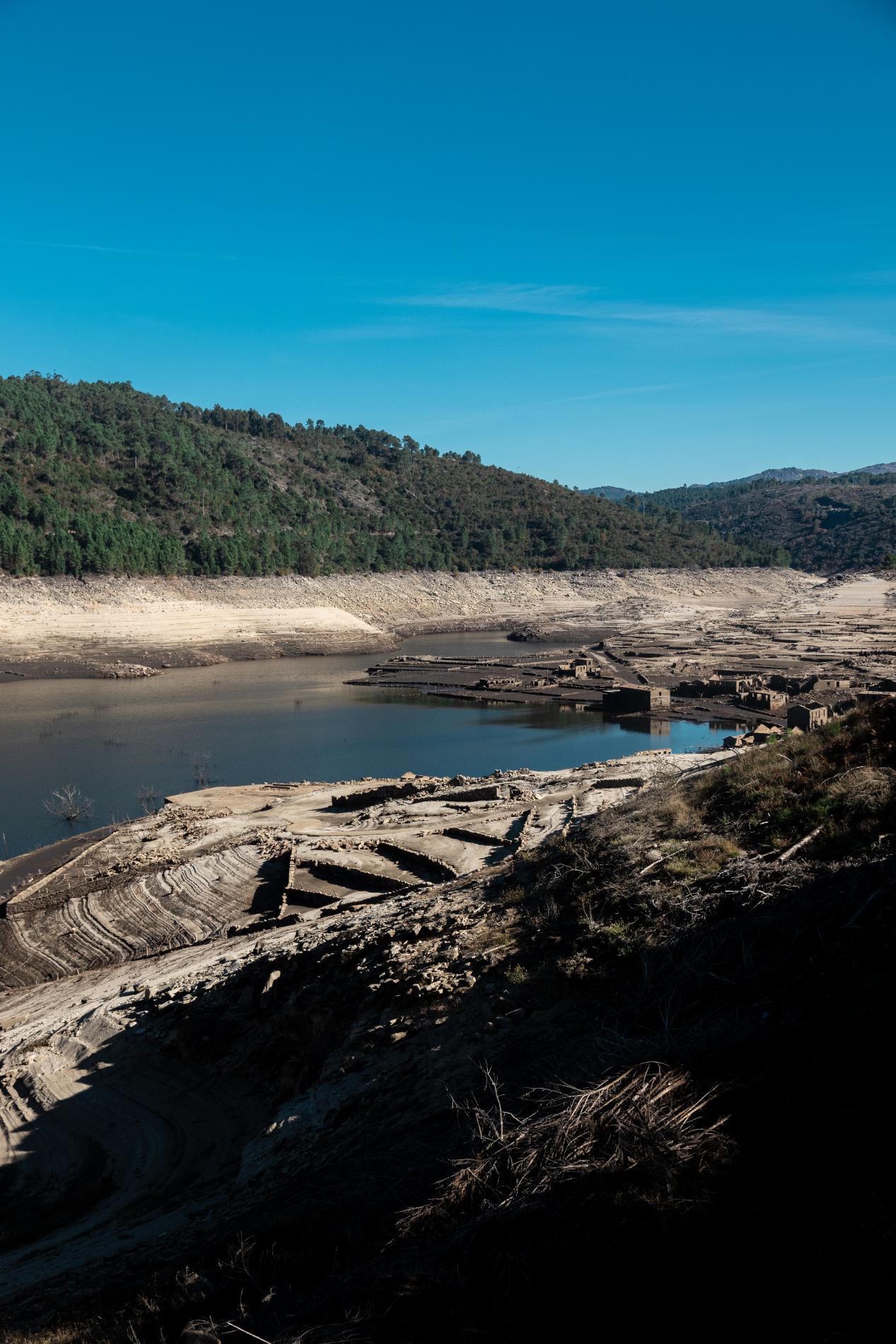
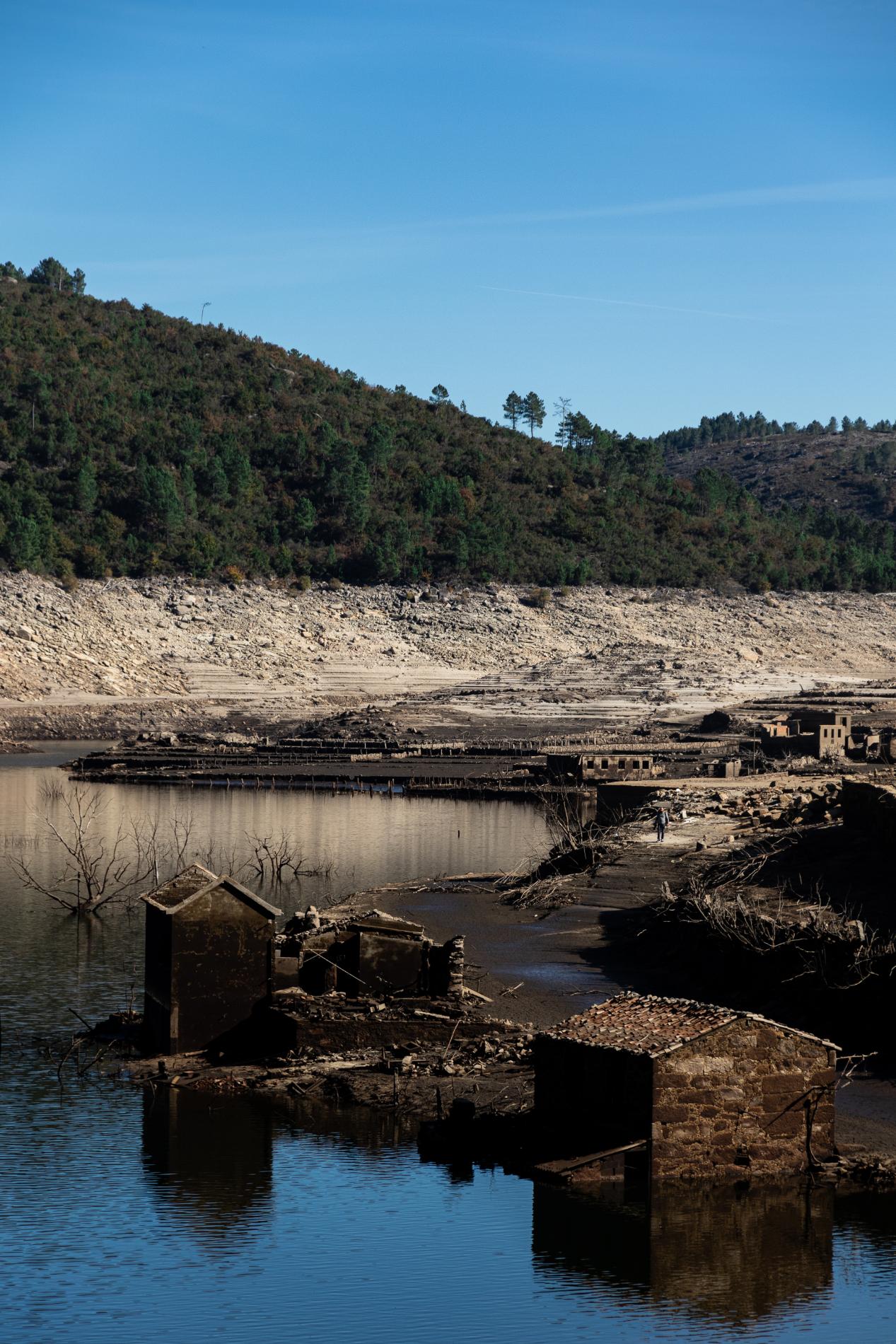
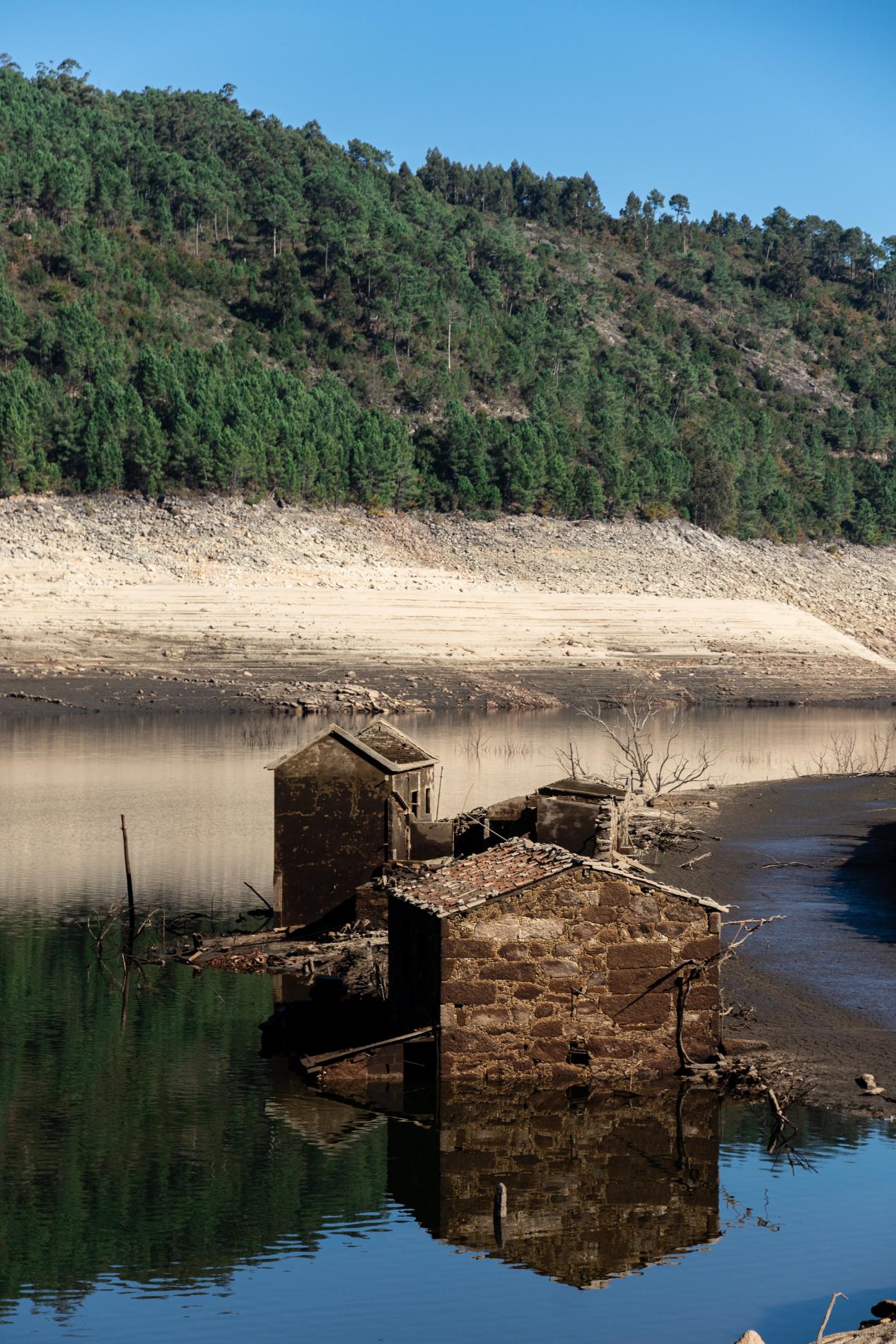
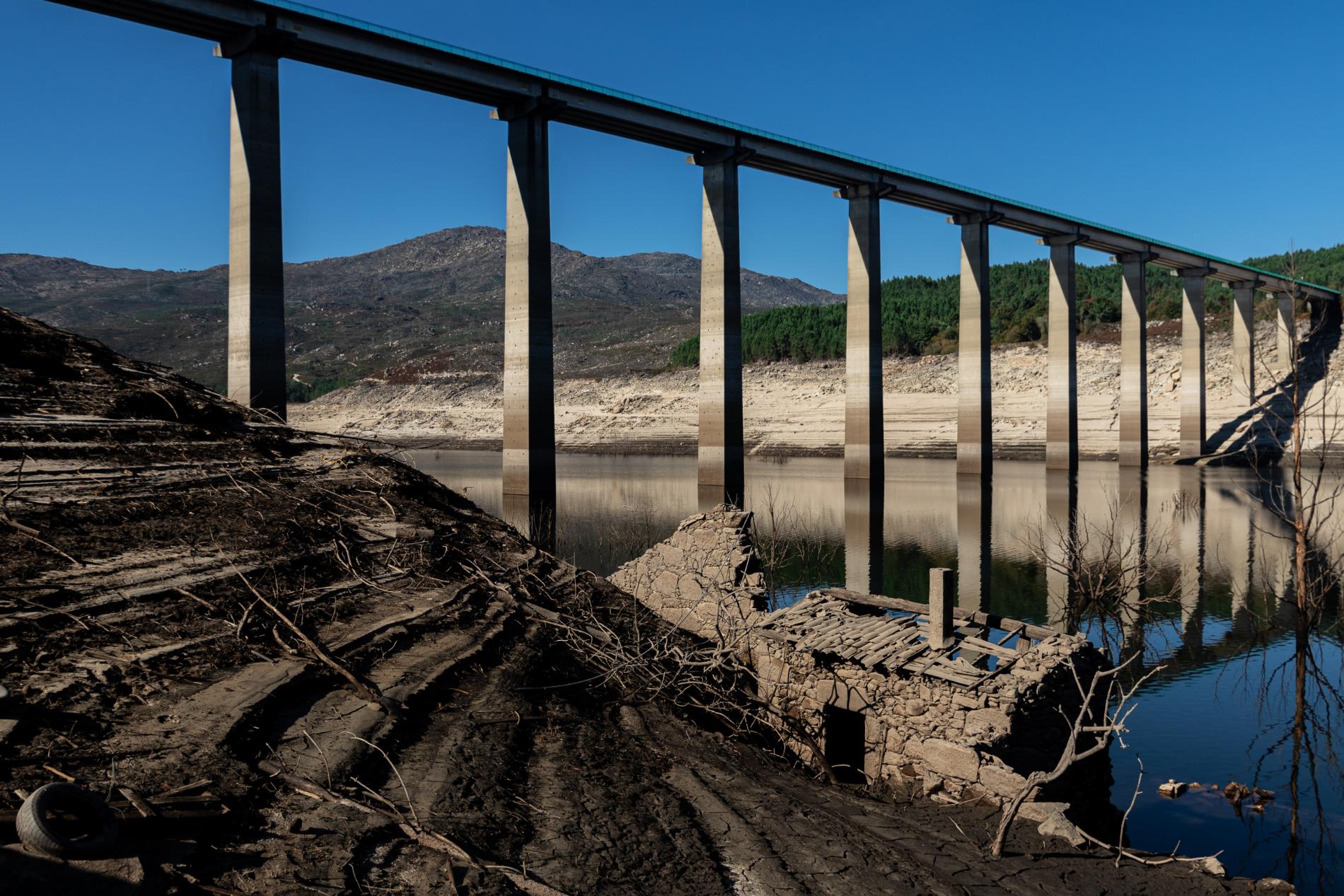
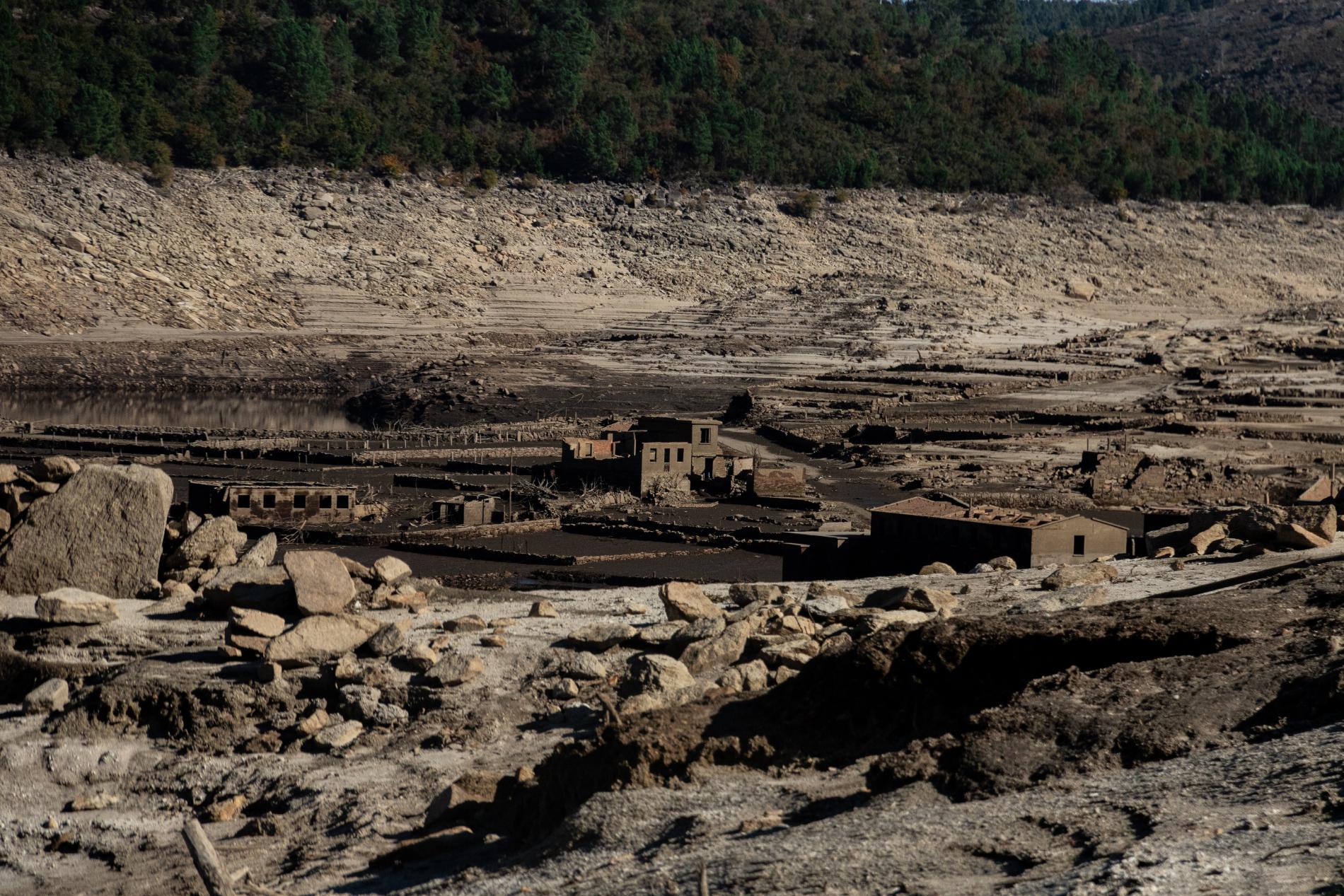
Aceredo sits on the edge of the Alto Lindoso dam, a village that remained underwater for decades before drought exposed it again. I visited in 2021, during one of the driest periods in the region, when much of the old settlement was visible above the surface for the first time in years. The landscape felt suspended between what it had been and what it had become.
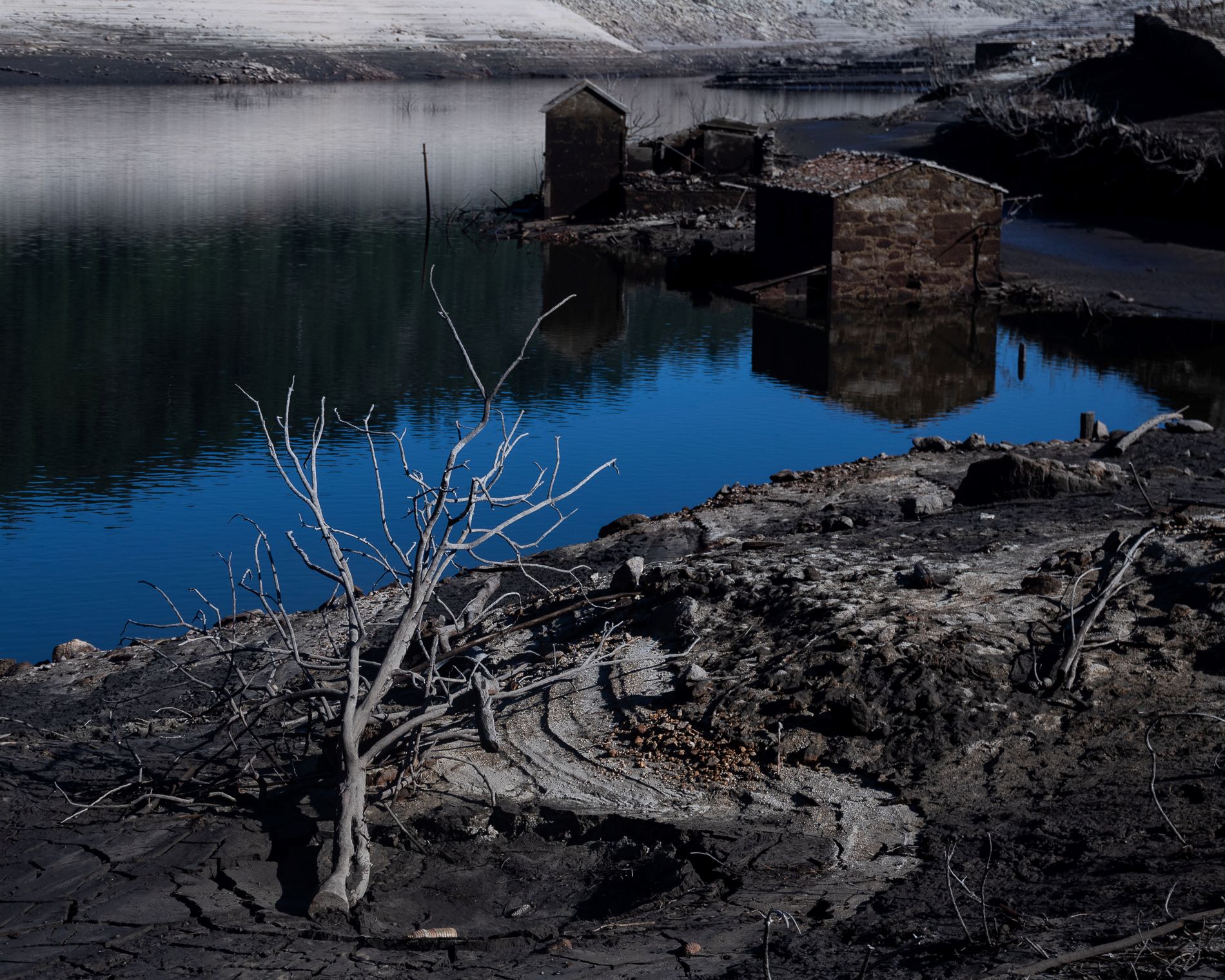
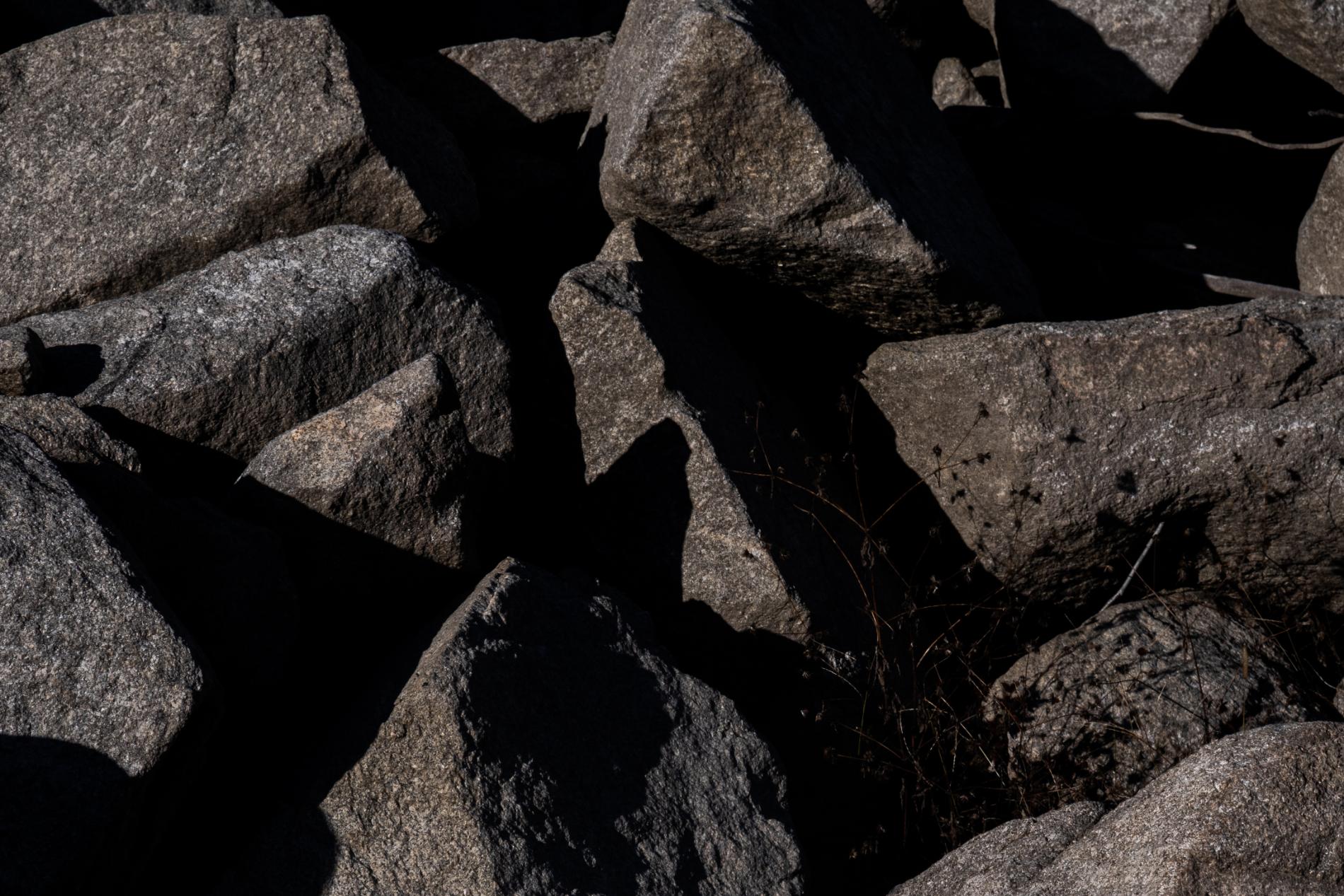
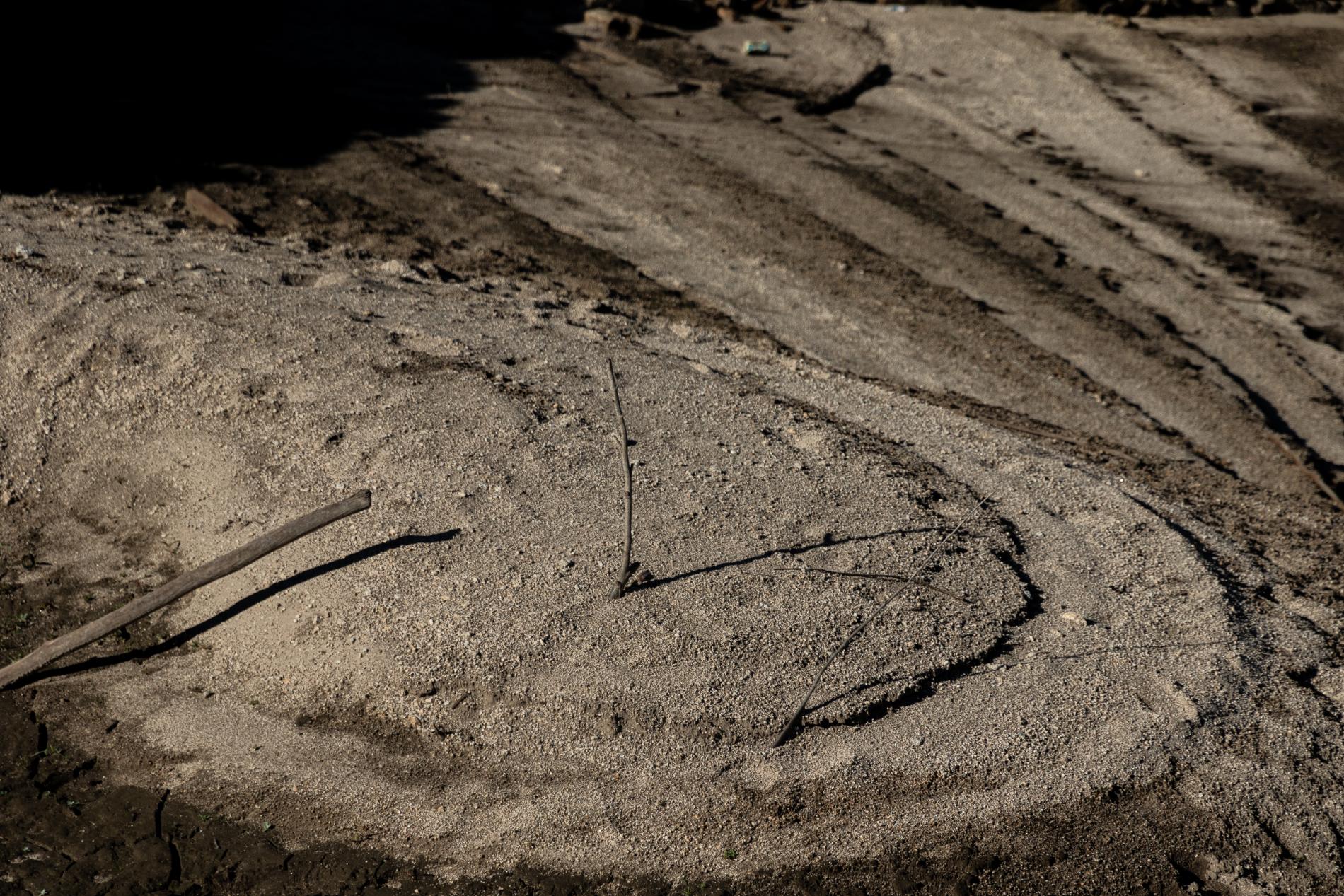
The first impression was the contrast. Some areas were firm and cracked, easy to cross, while patches near the old waterline shifted into soft mud with almost no warning. A few behaved like quicksand. I had to move slowly and test the ground before stepping. The air was still. The smell was faint. I expected the weight of earth or decay, but there was almost nothing.
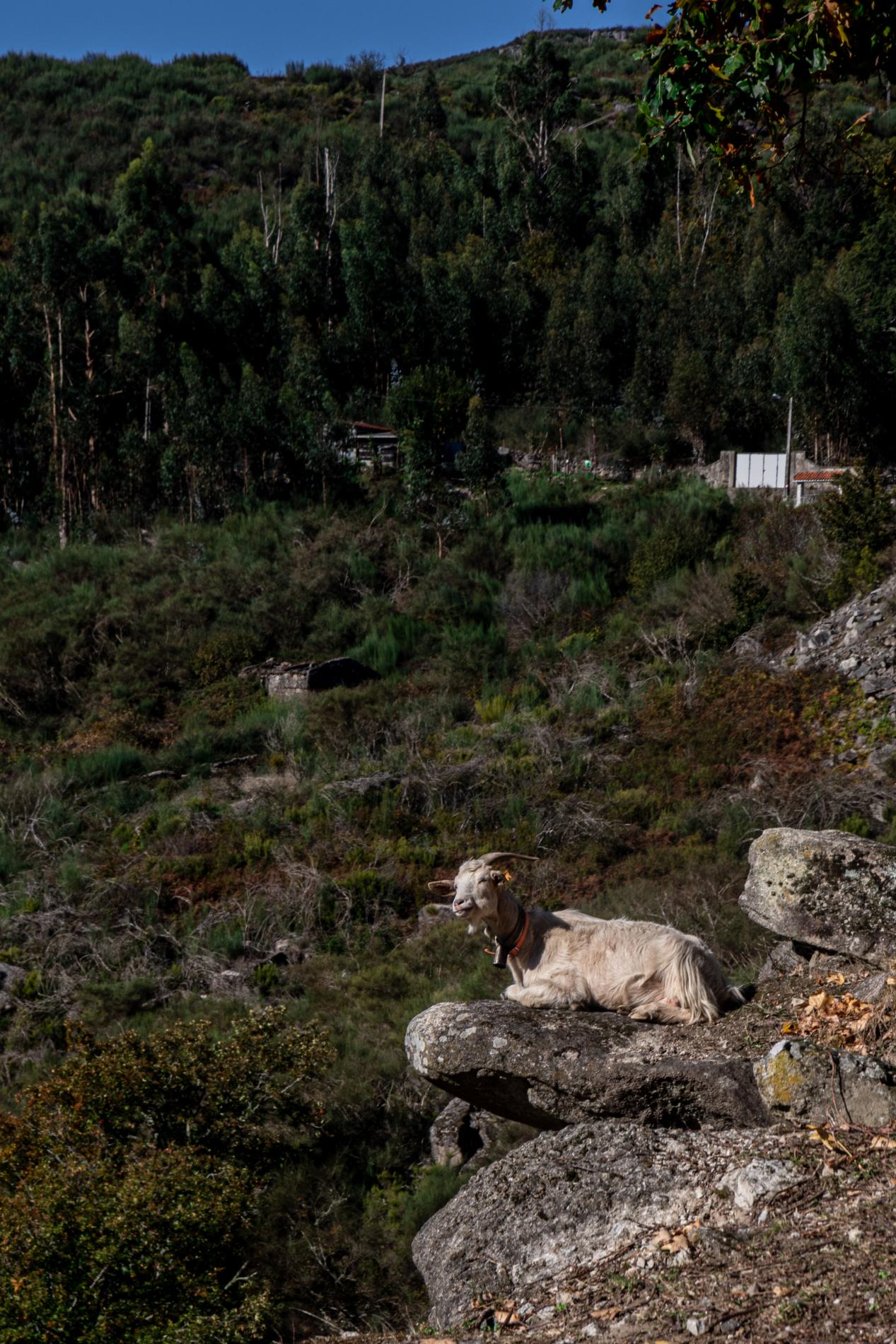
The drought made the boundaries visible. The old water level traced a mark along the trees, a clear line between where vegetation had survived and where it had not. Above that line, the forest looked familiar. Below it, the land felt stripped back, shaped by years underwater and revealed all at once.
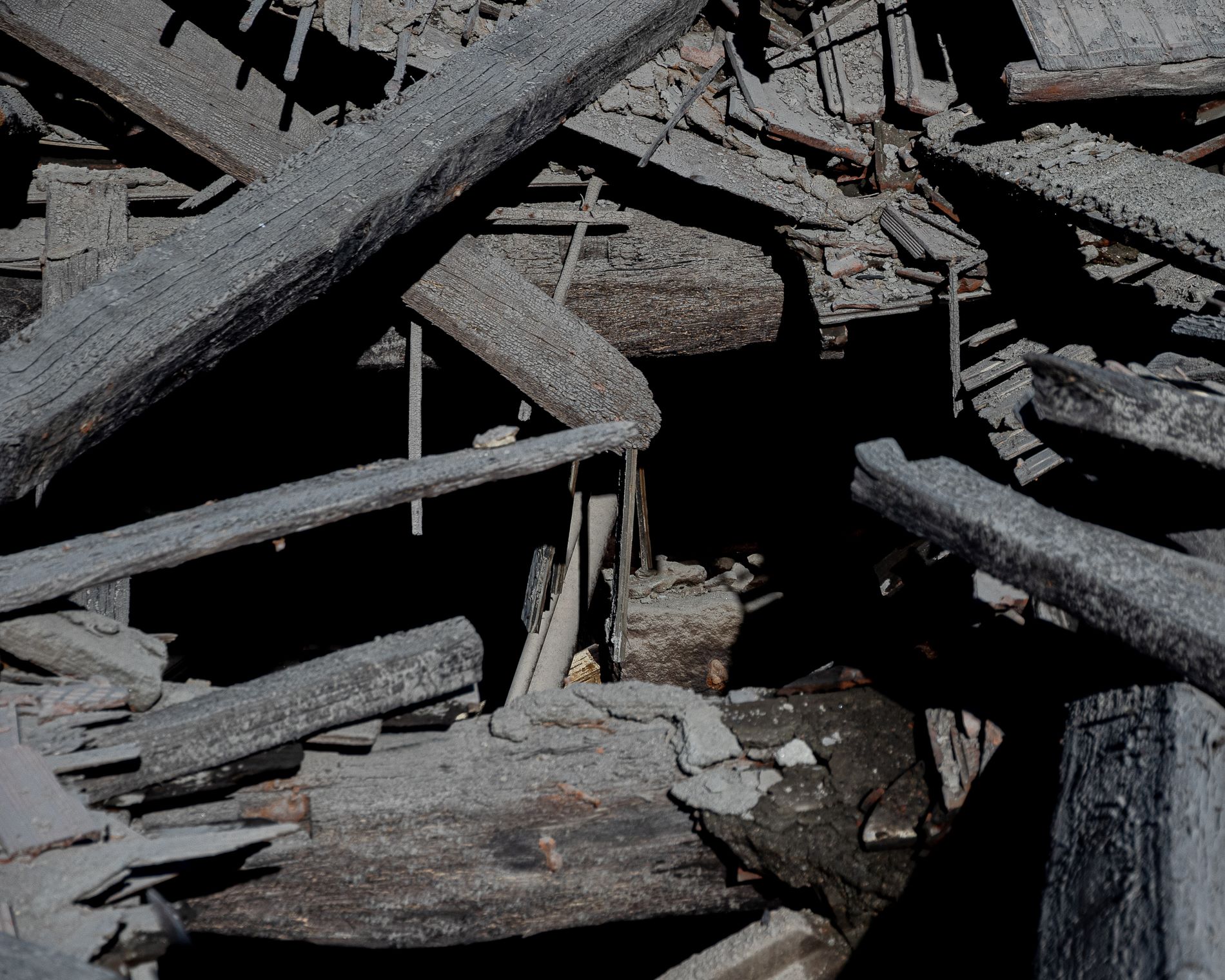
Remnants of the village were scattered across the exposed terrain. Houses collapsed inward. Cars half buried. Objects left behind long before the dam filled, worn by submersion and sun. Visitors handled or moved many of them. It had become a destination, and the presence of people made it difficult to separate the history of the place from the activity around it. I tried to avoid making photographs that treated objects as curiosities. It felt more appropriate to stay with the wider context rather than isolate individual details.
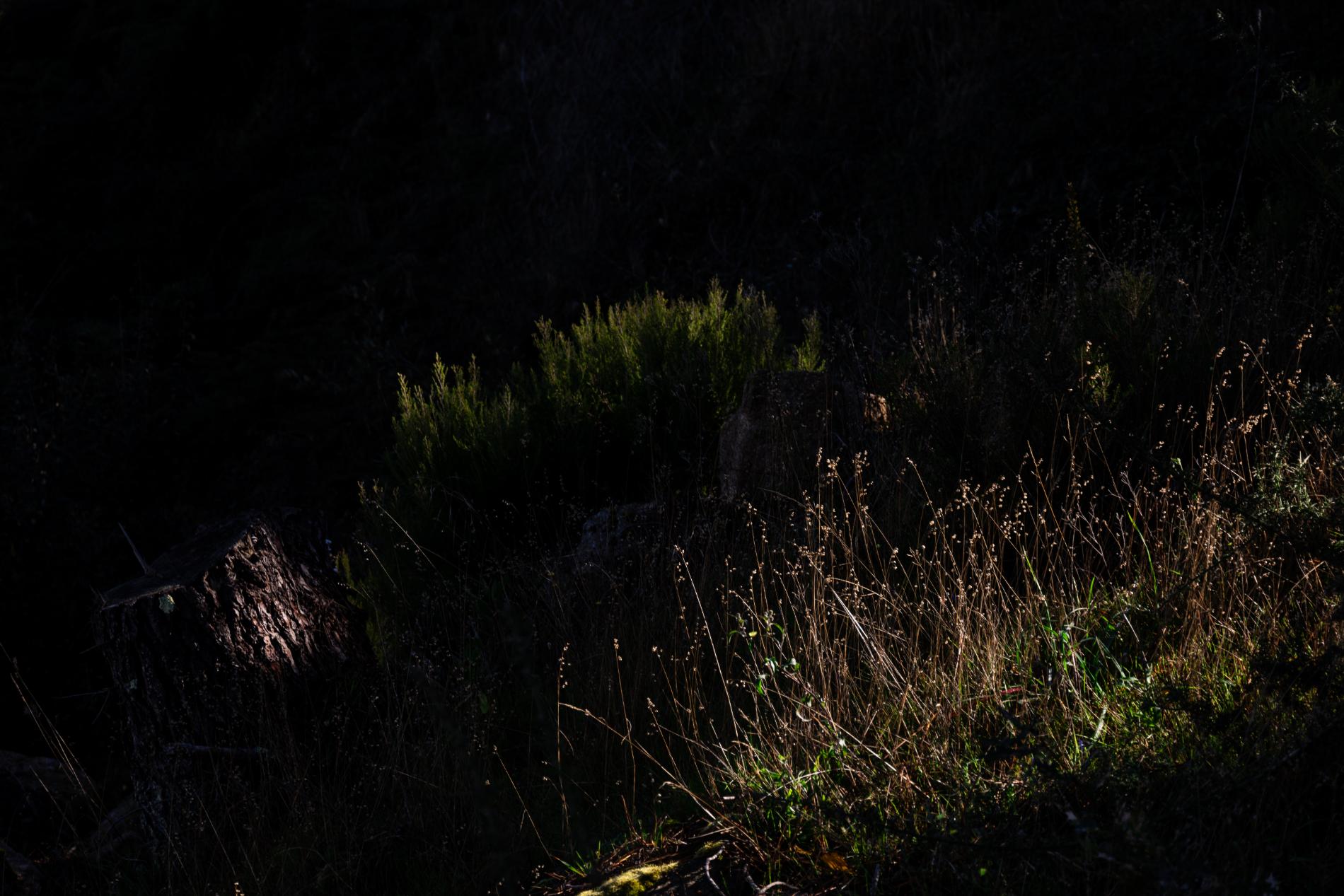
Small signs of recovery appeared in the areas that had been exposed the longest. Thin patches of grass grew through the soil where the ground had stabilised. These small changes made the landscape feel temporary, as if it were caught between drought and gradual return.
The scale of the exposed village stayed with me. The dam had reshaped the land, and the drought had revealed that impact again. Standing there made the consequences of environmental change tangible. I left wanting to return and see how the landscape has continued to respond.