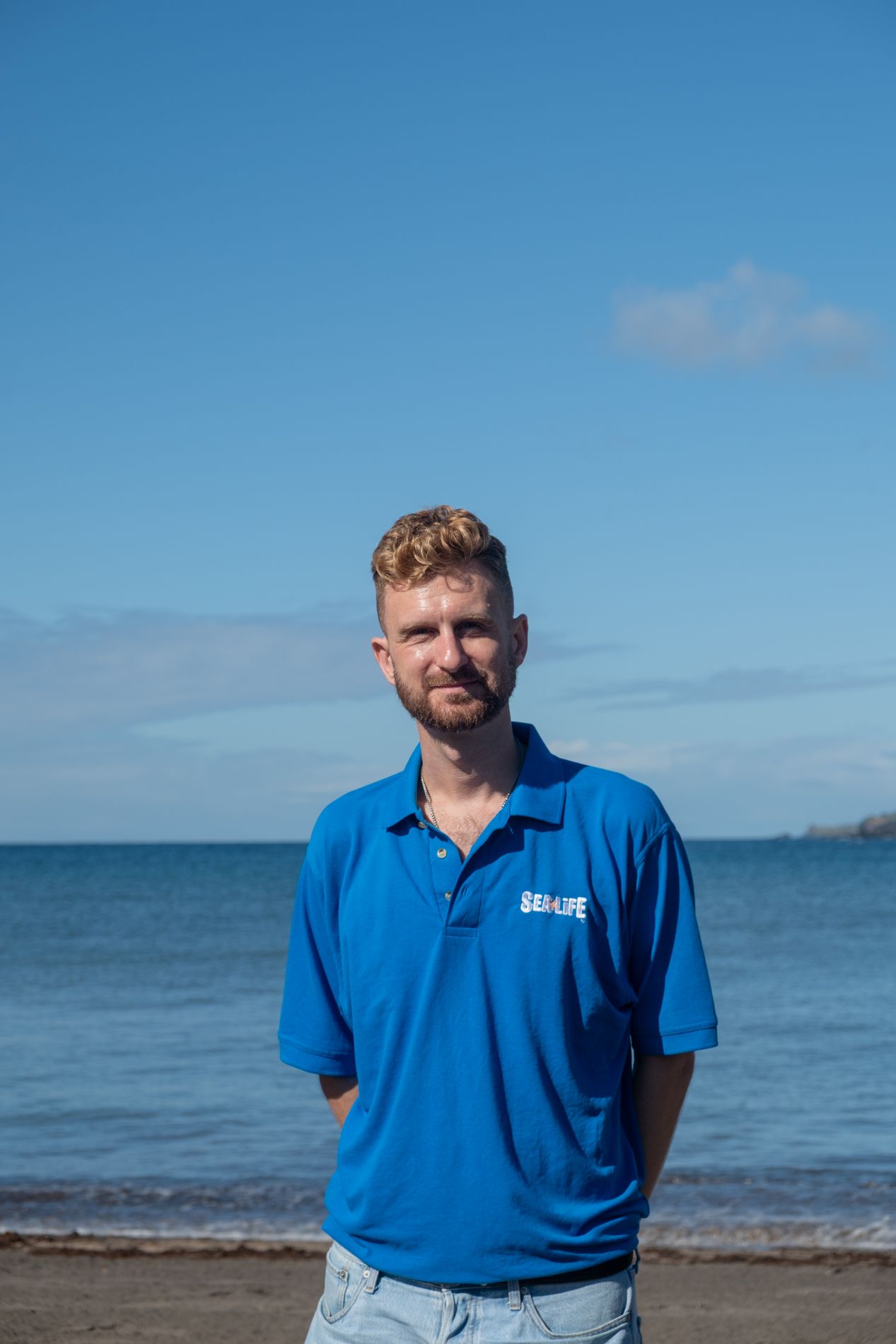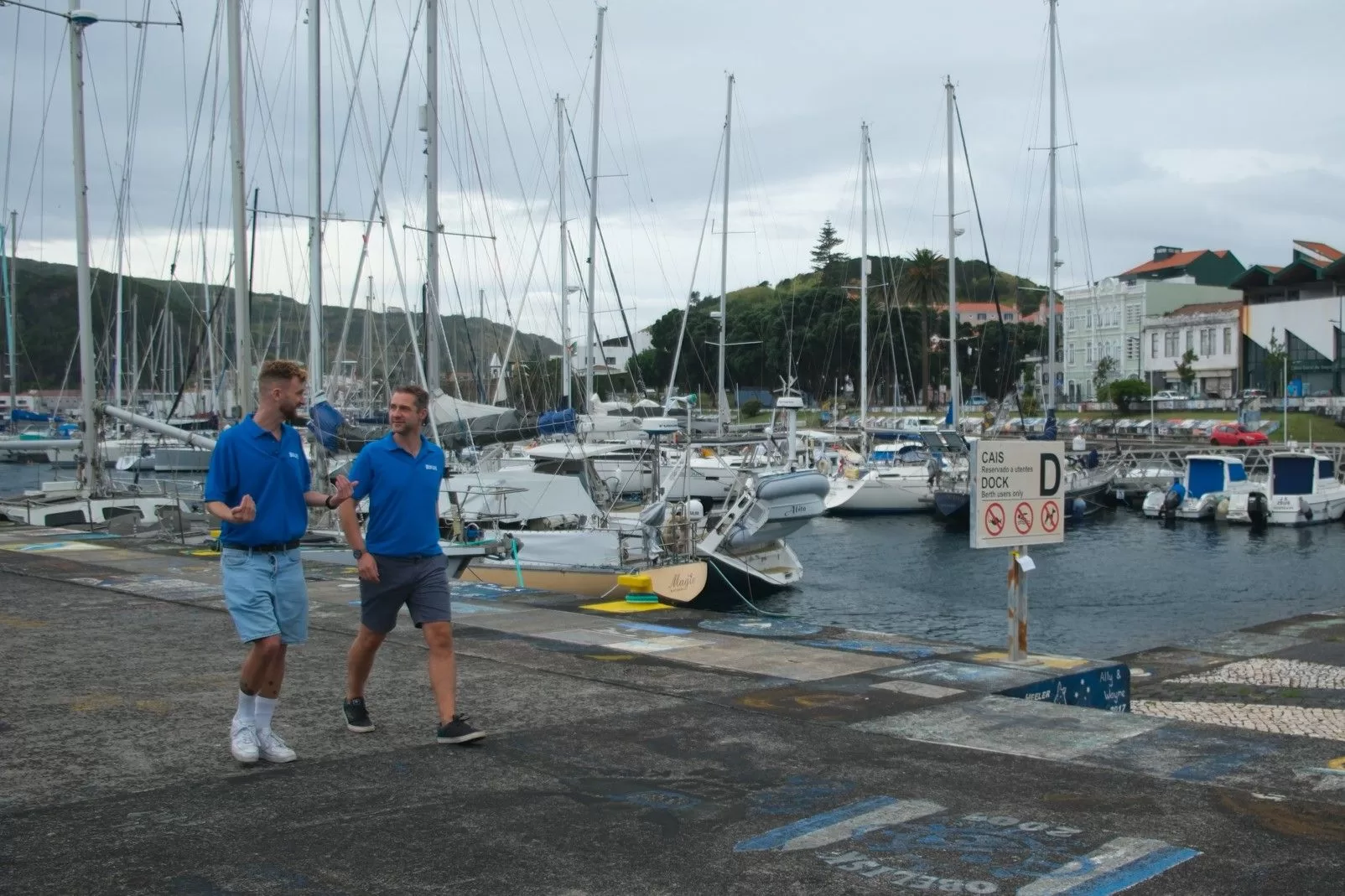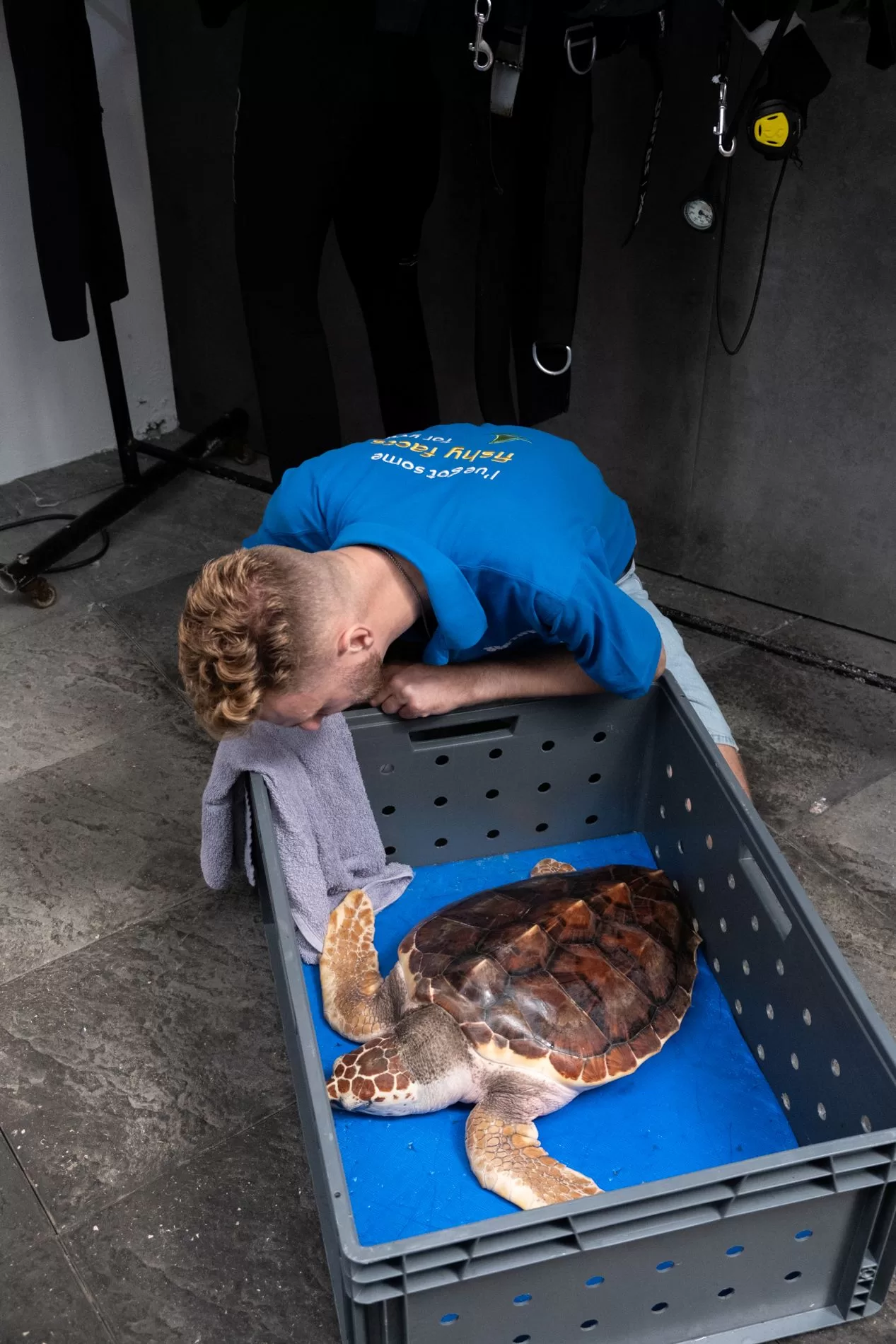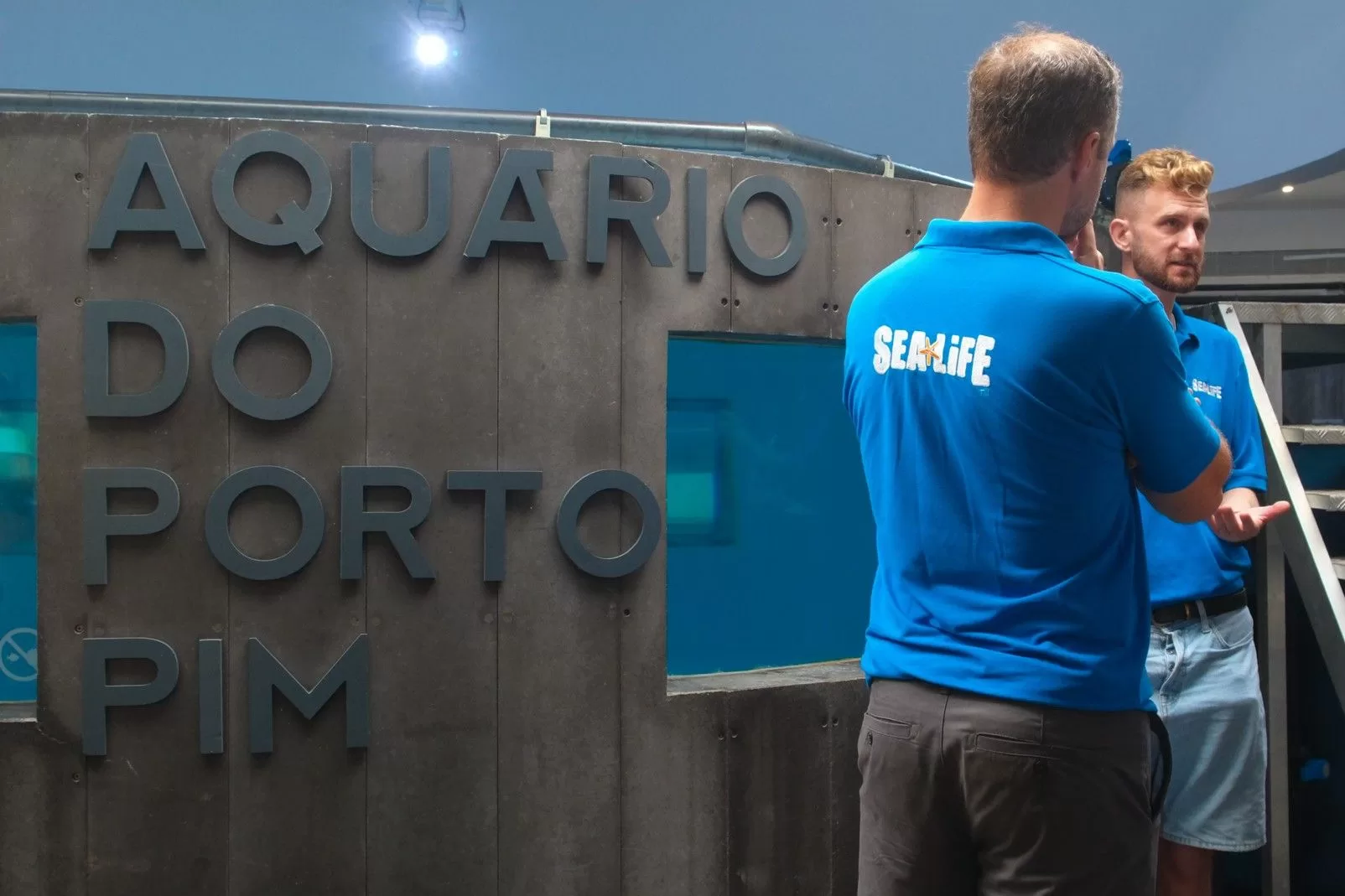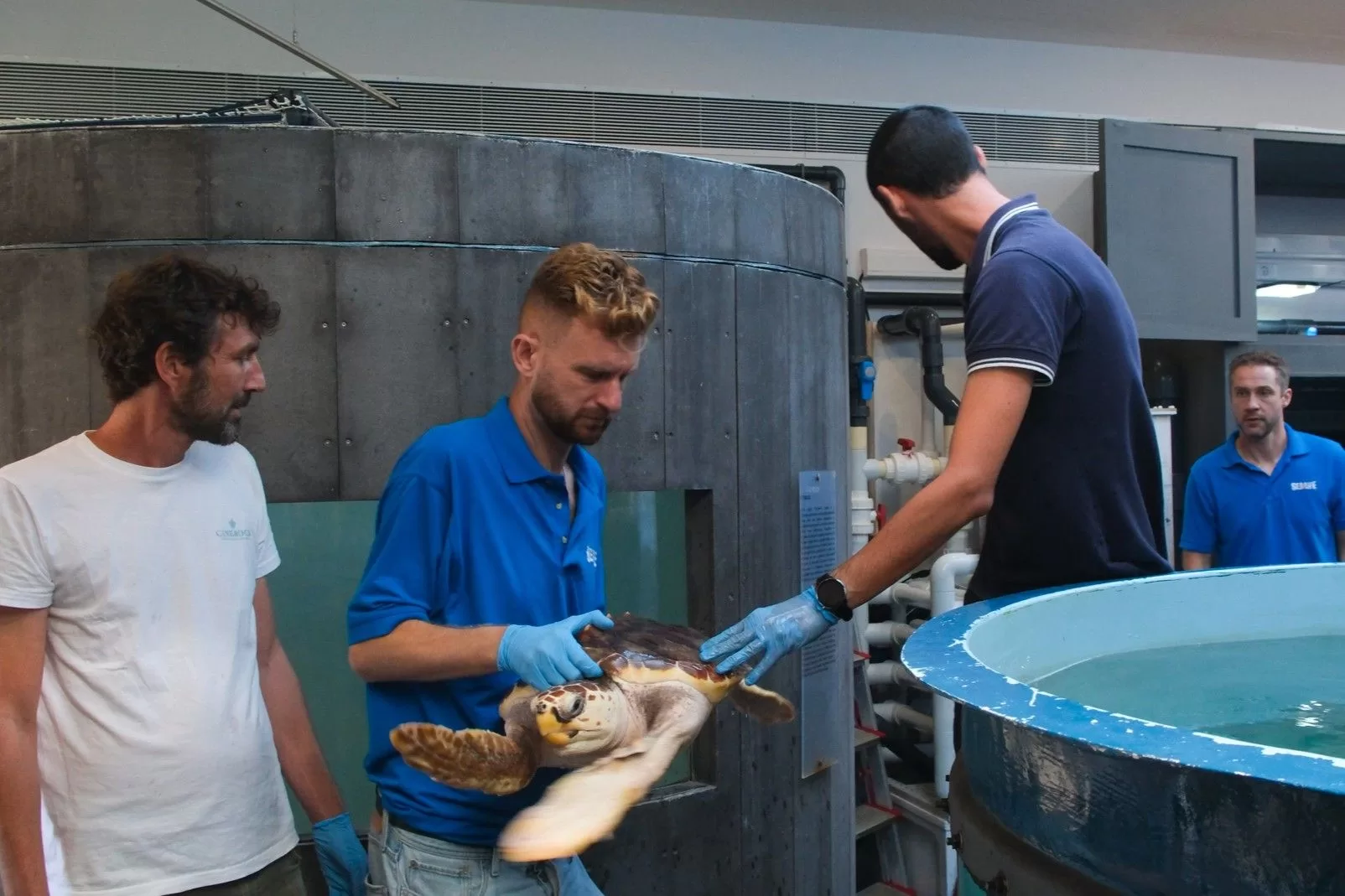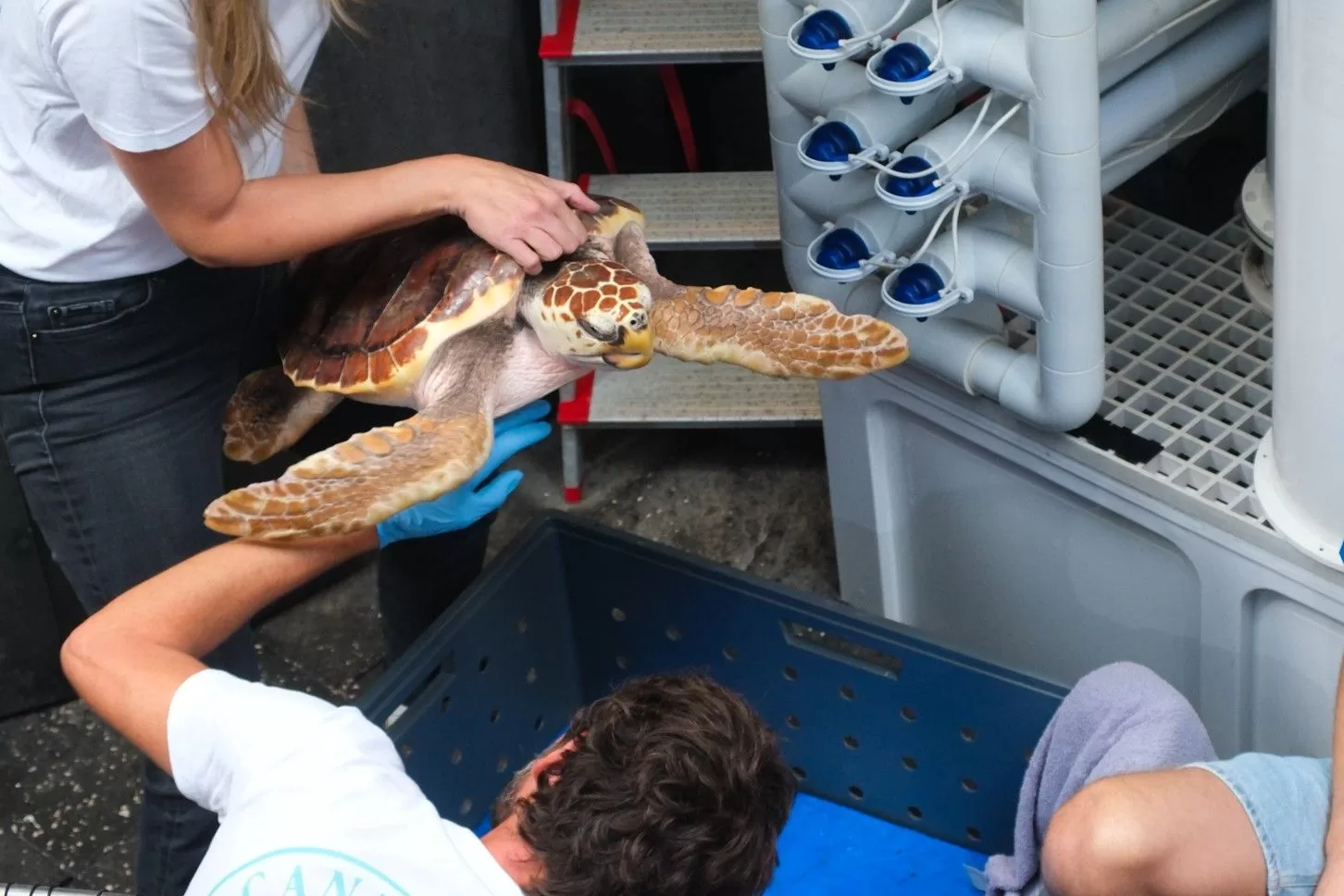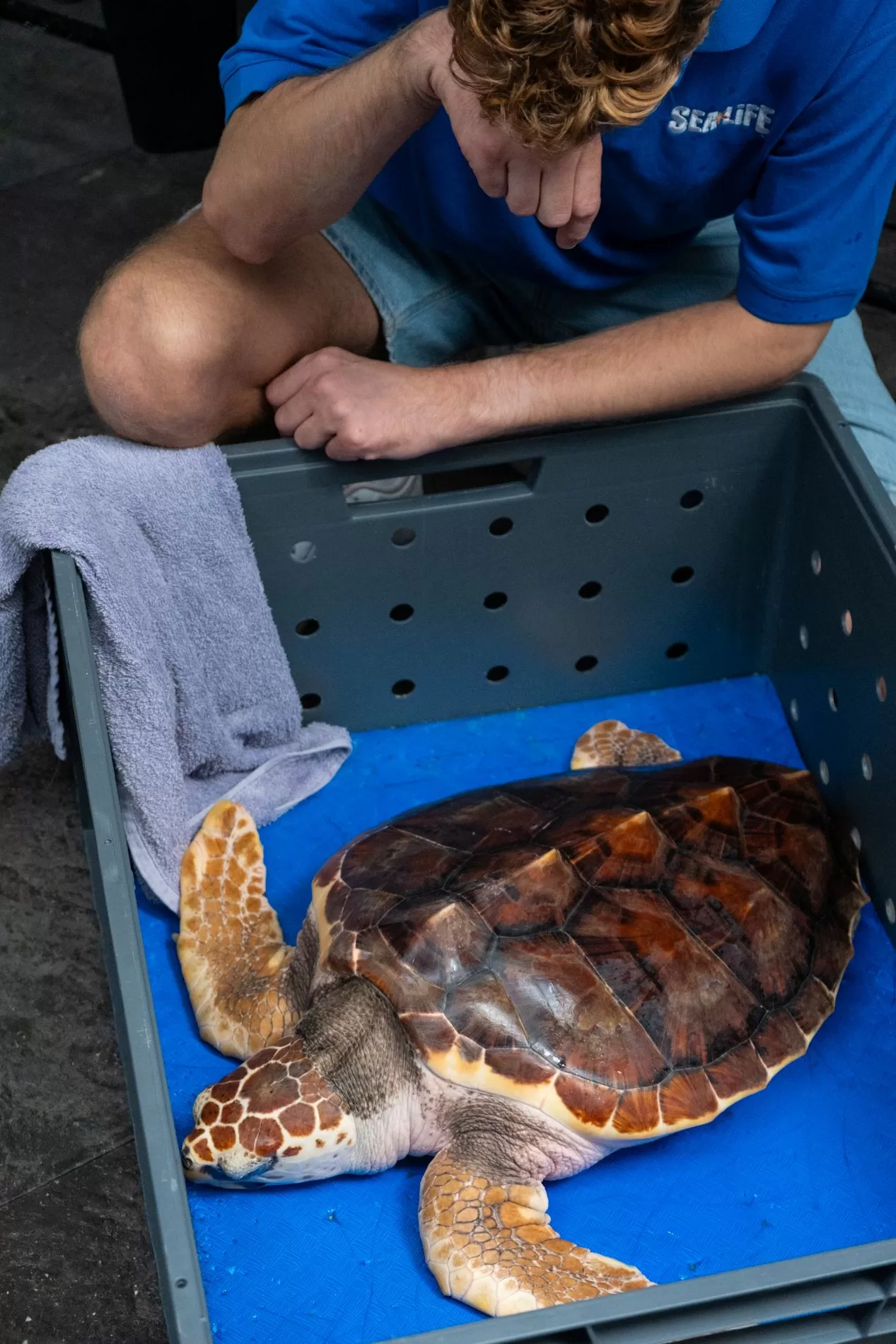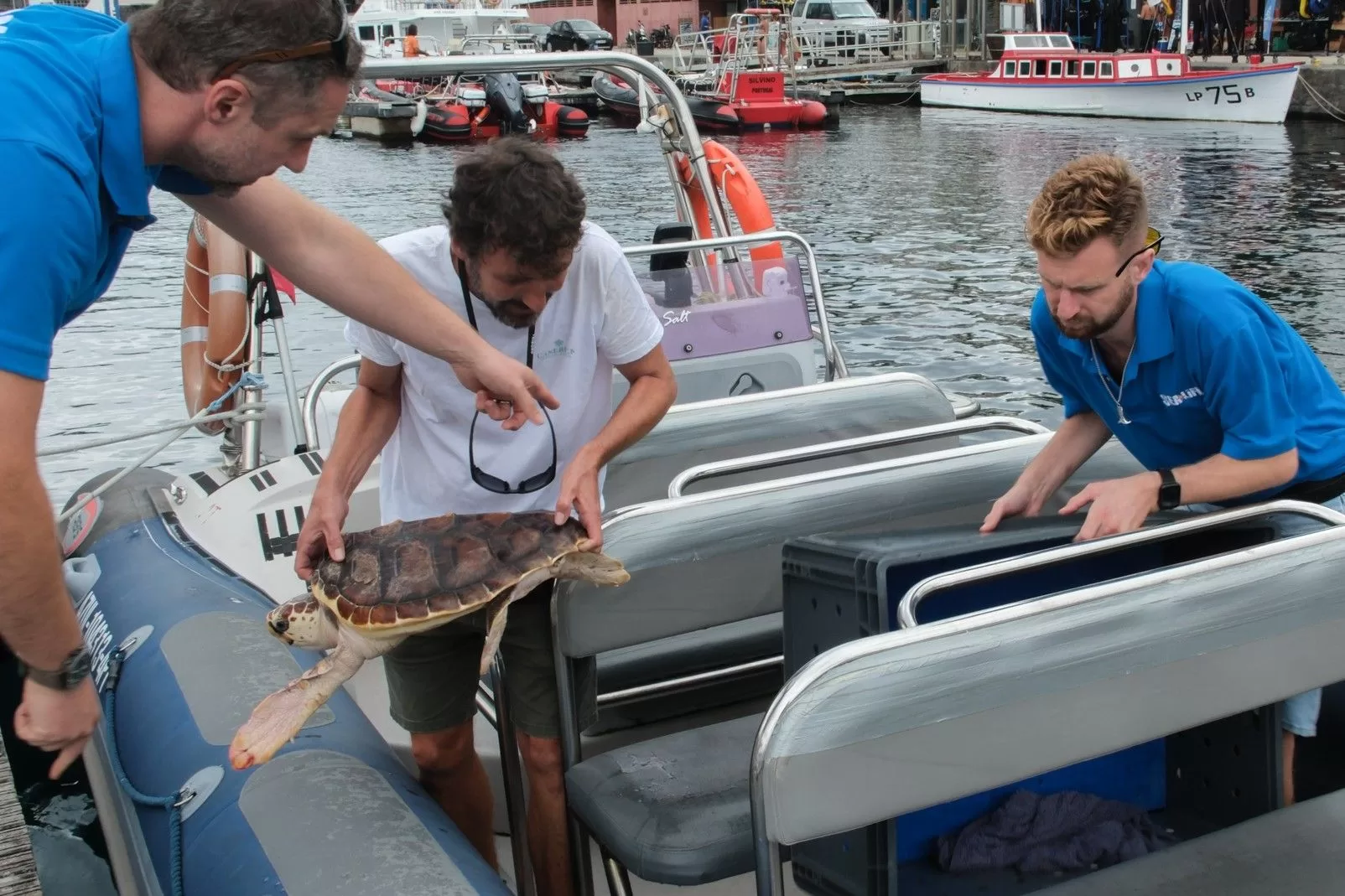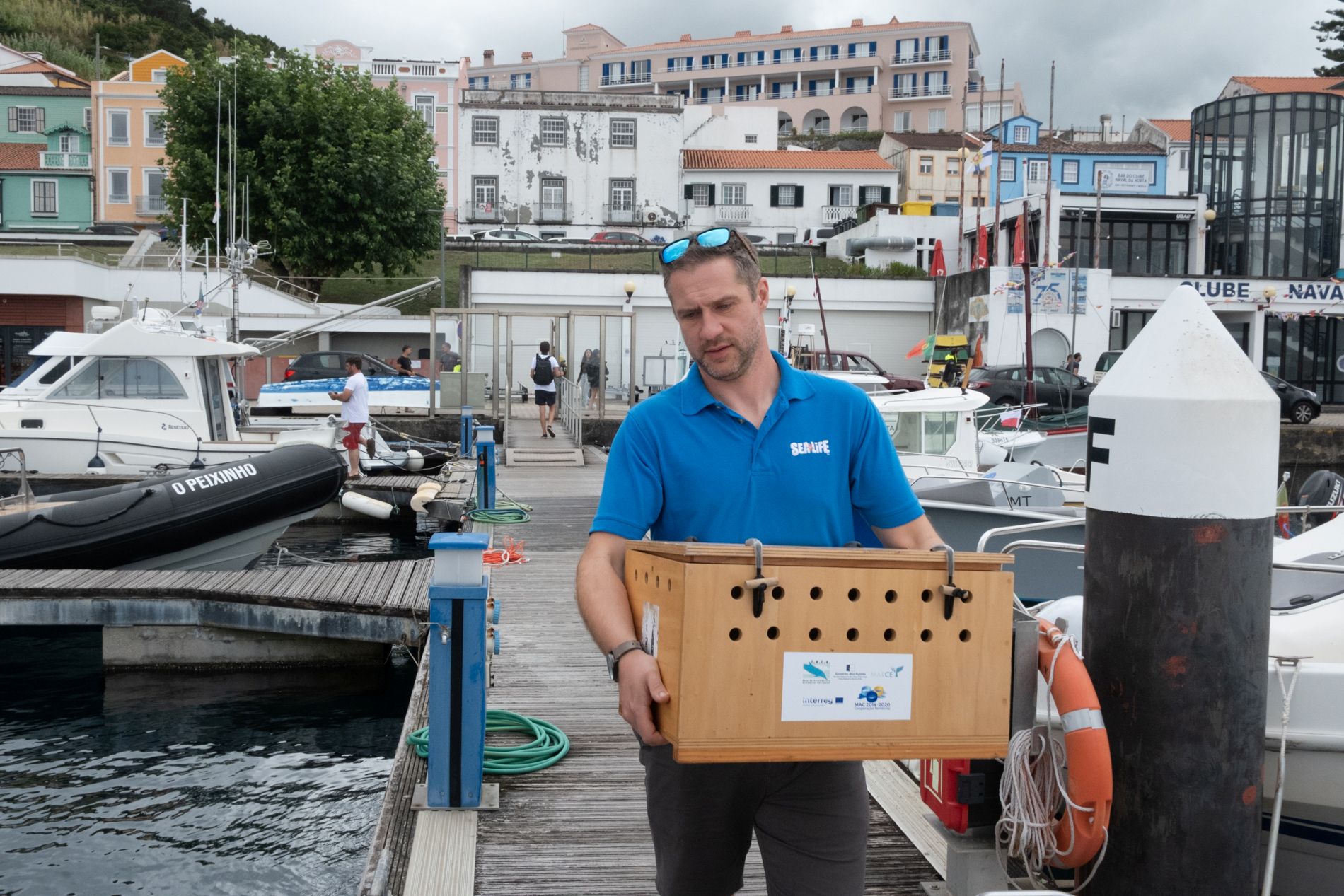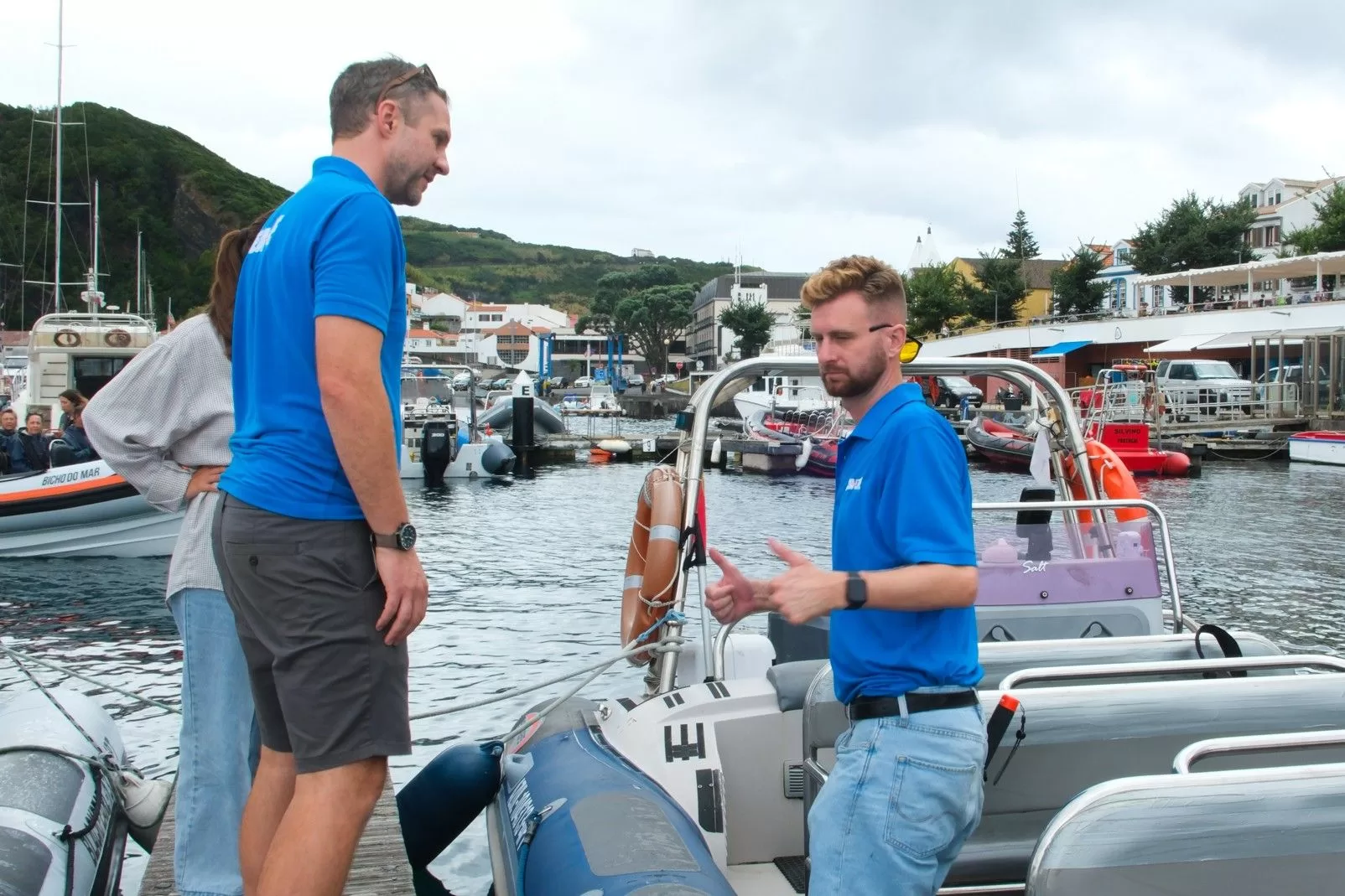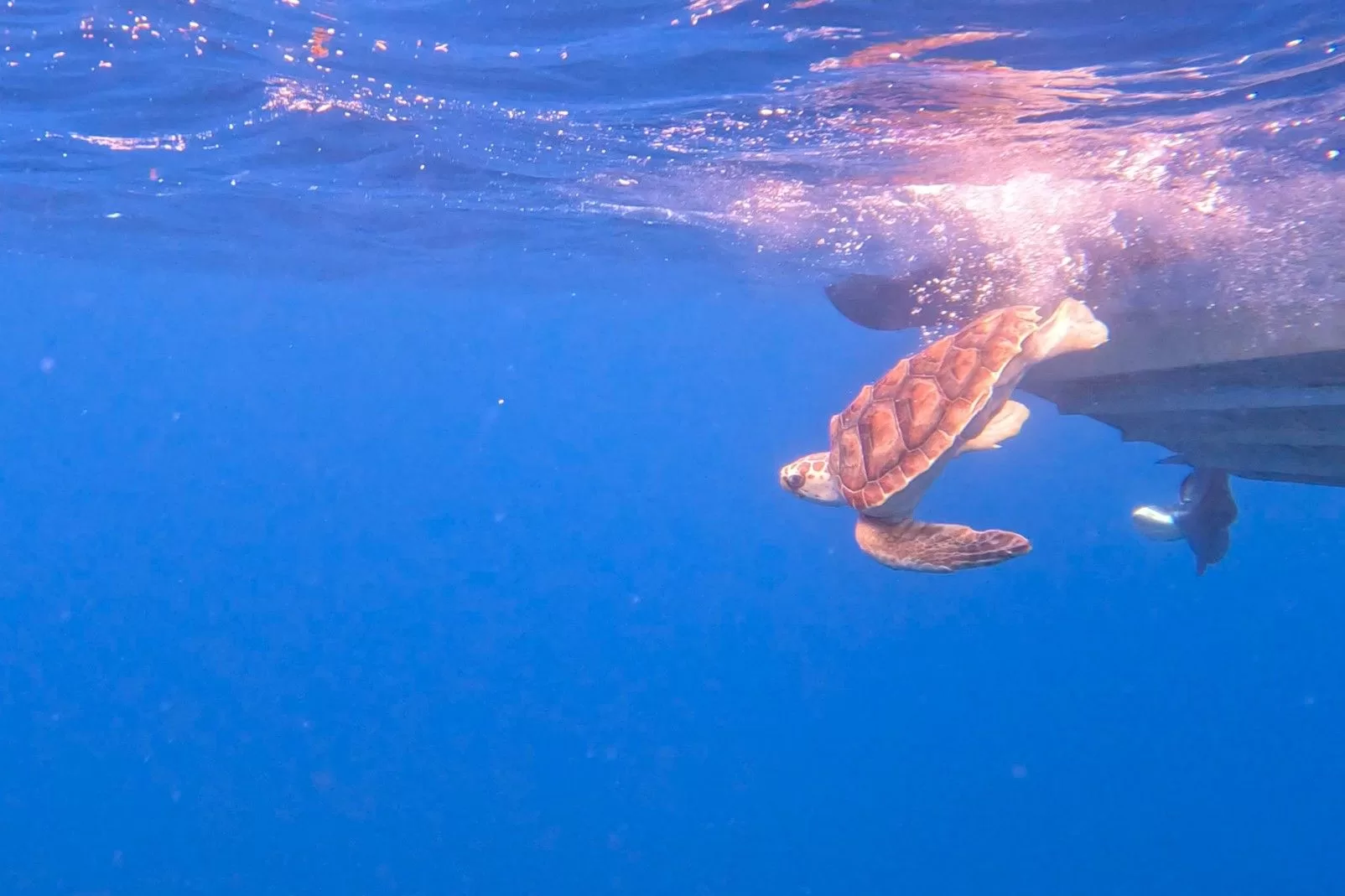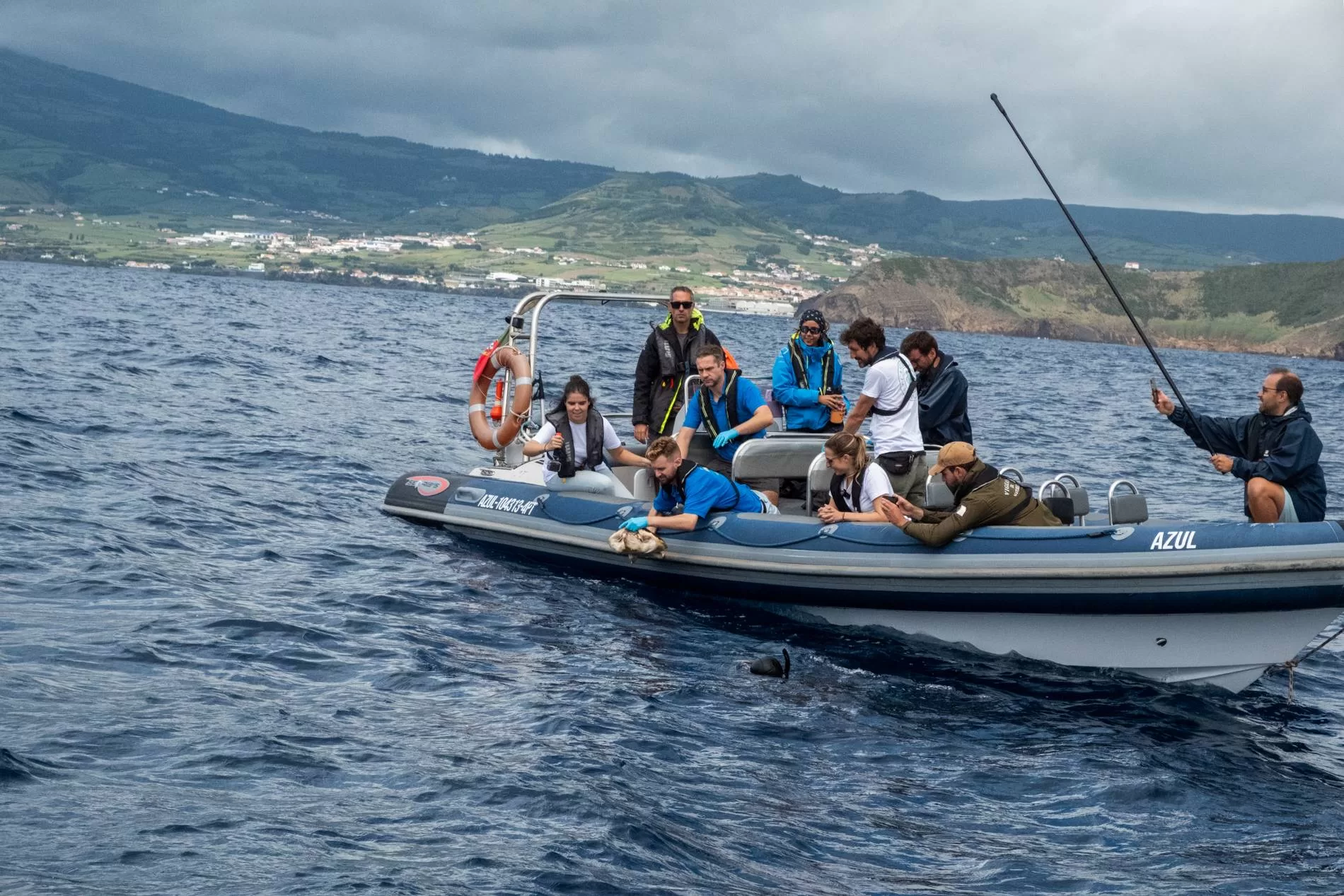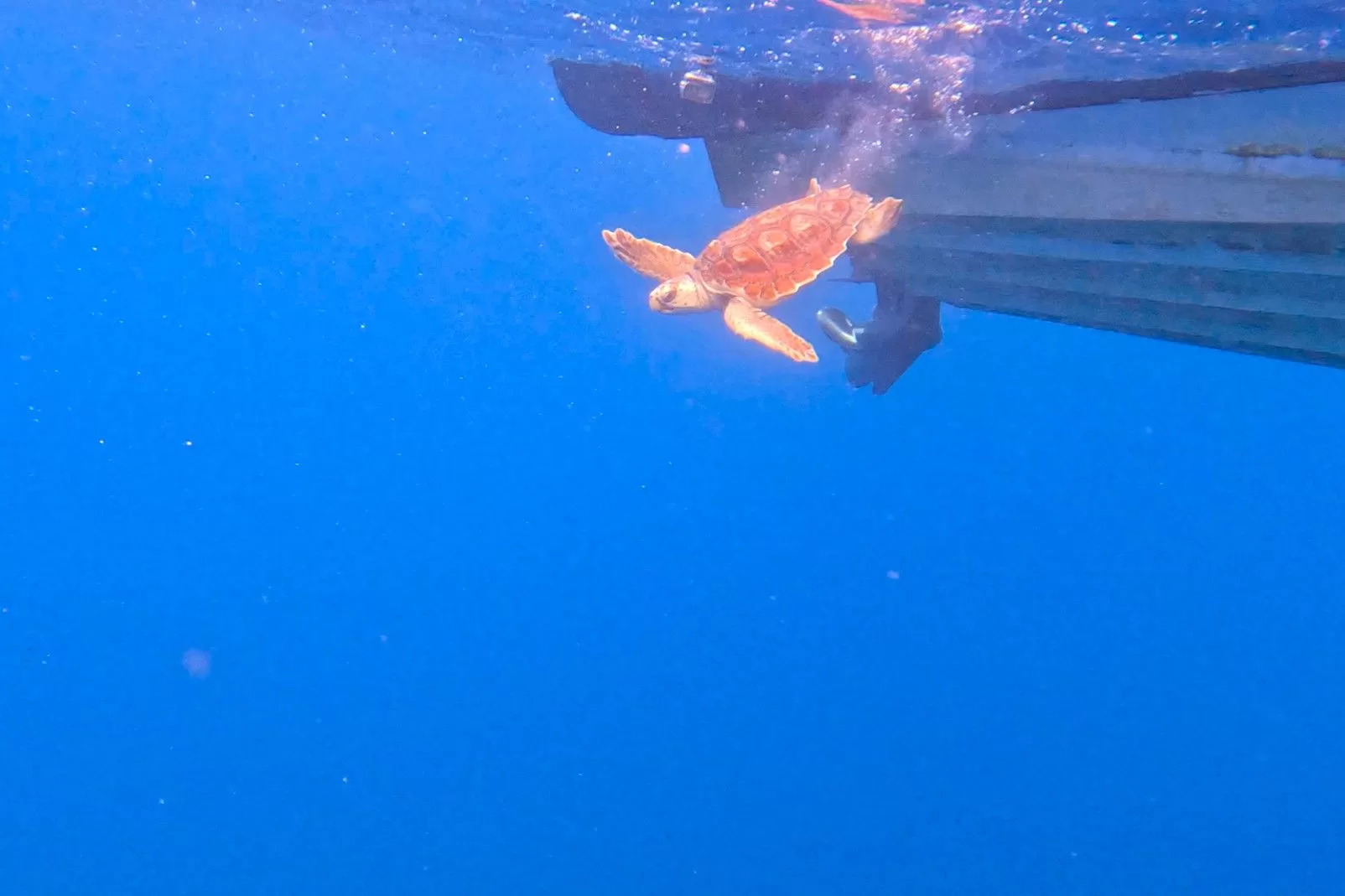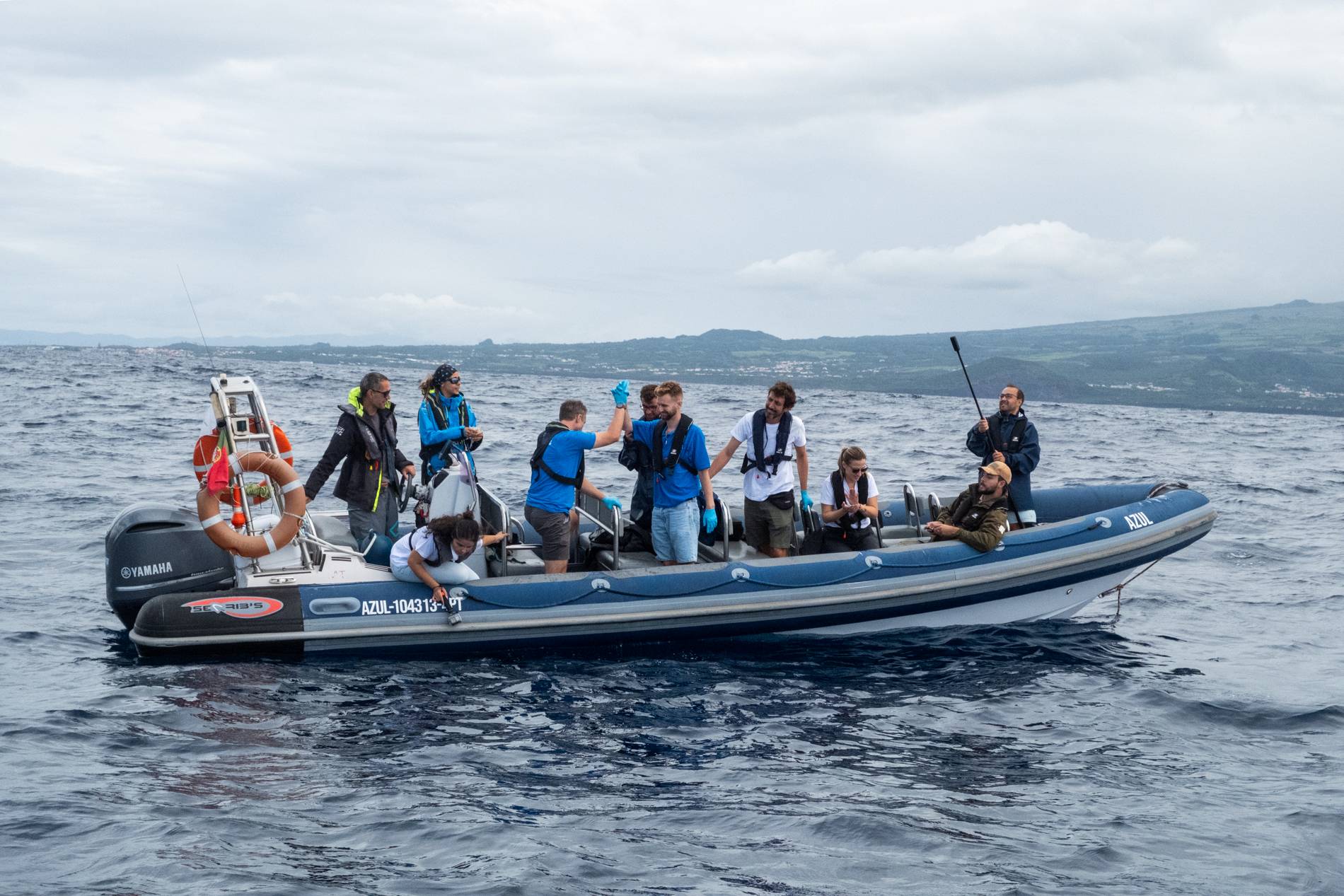
I traveled to Faial Island to document the release of two rehabilitated loggerhead turtles, one from SEA LIFE Brighton and one from SEA LIFE Scarborough. The work involved SEA LIFE curators, the teams at Aquário Porto Pim and UAzores, and the marine transport specialists at Flying Sharks. My role was to observe the process, follow the teams, and record the moments that shaped the release from preparation to the return of the turtles to the Atlantic.
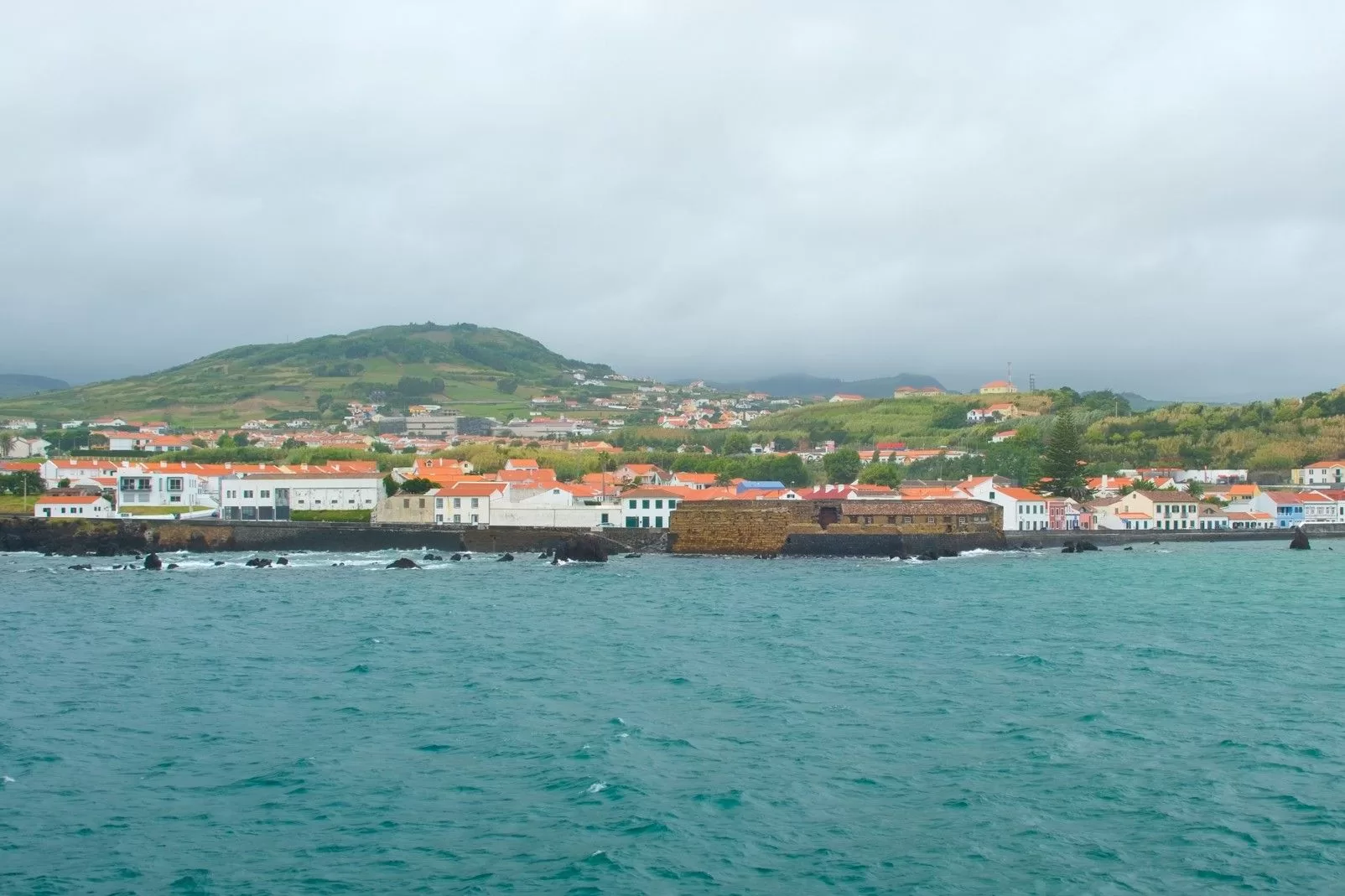
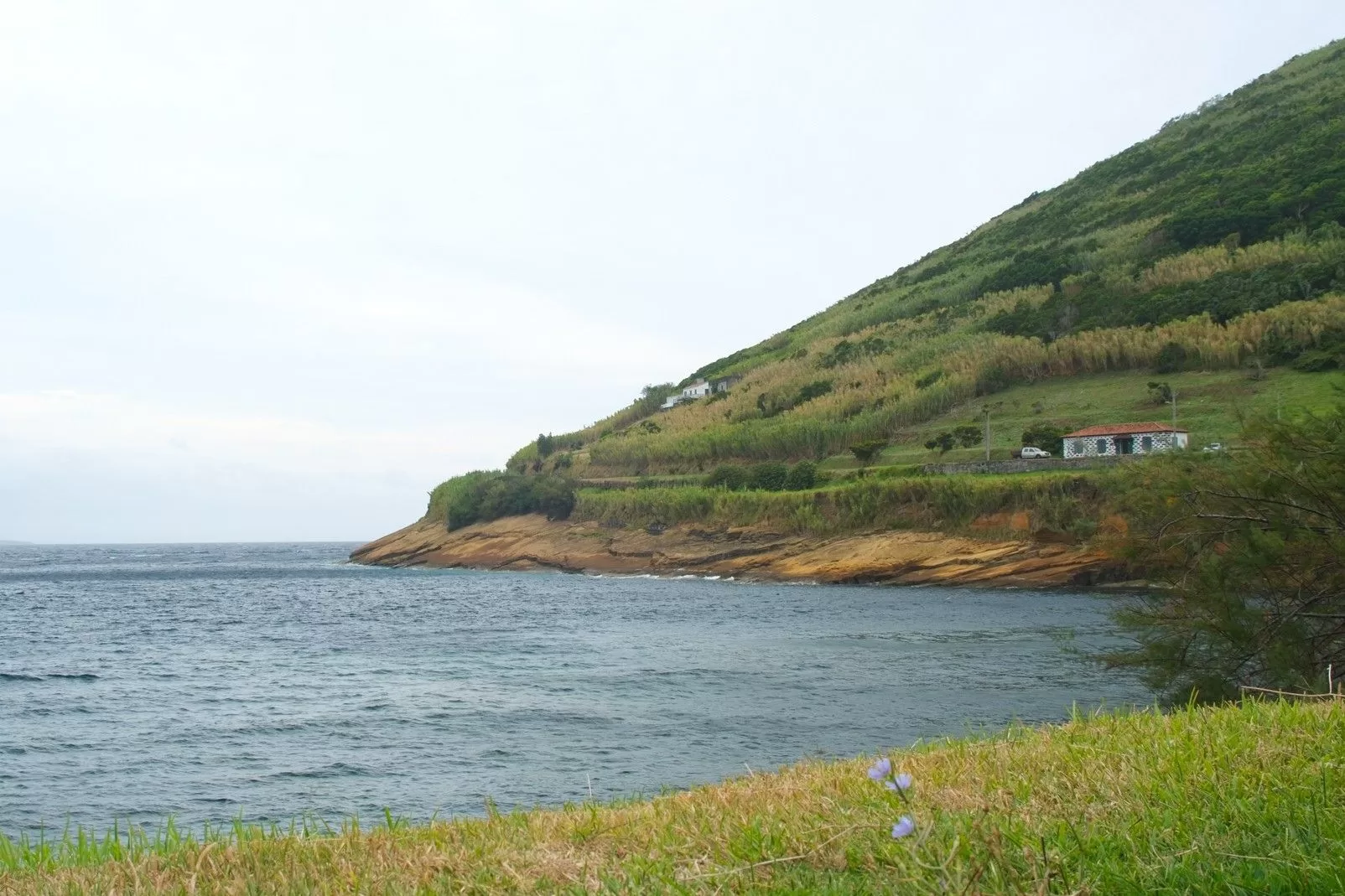
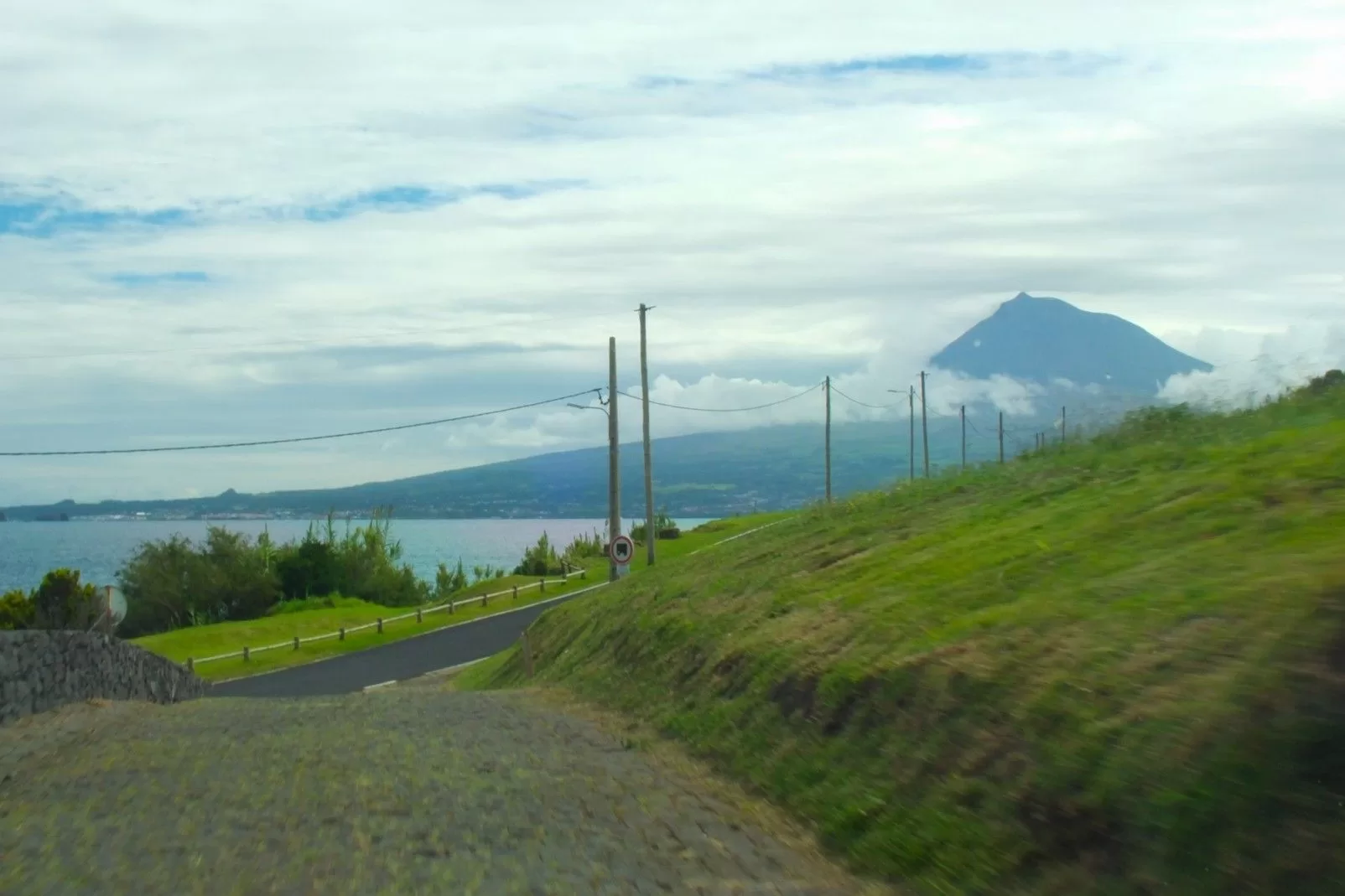
I began photographing shortly after arriving on the island. It was my first visit to the Azores, and the environment shifted constantly. Light in the aquarium moved in cycles, shaped by the skylights, and the sound of the ocean was always present in the background. The island had a calm rhythm that set the pace for the work.
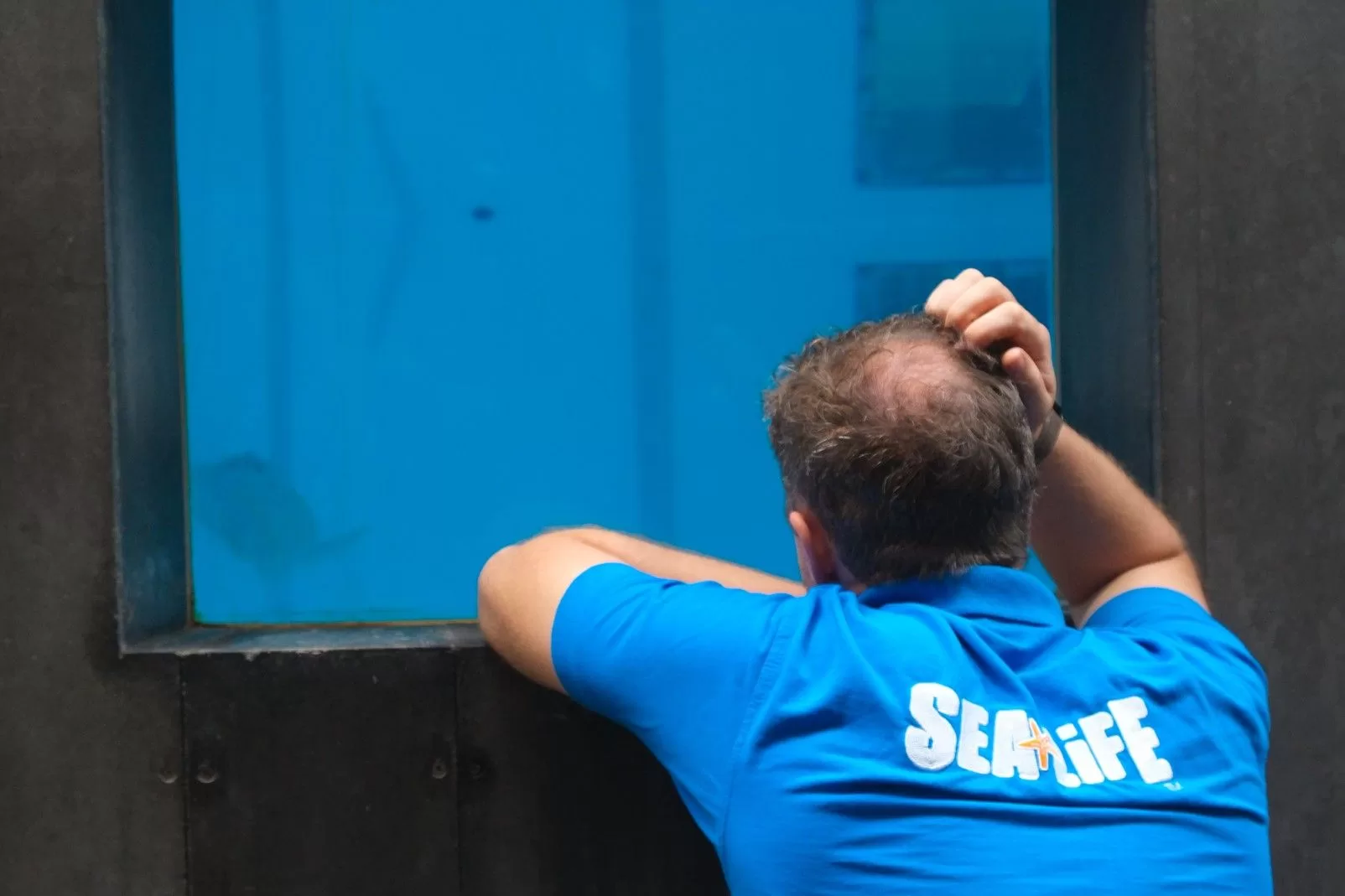
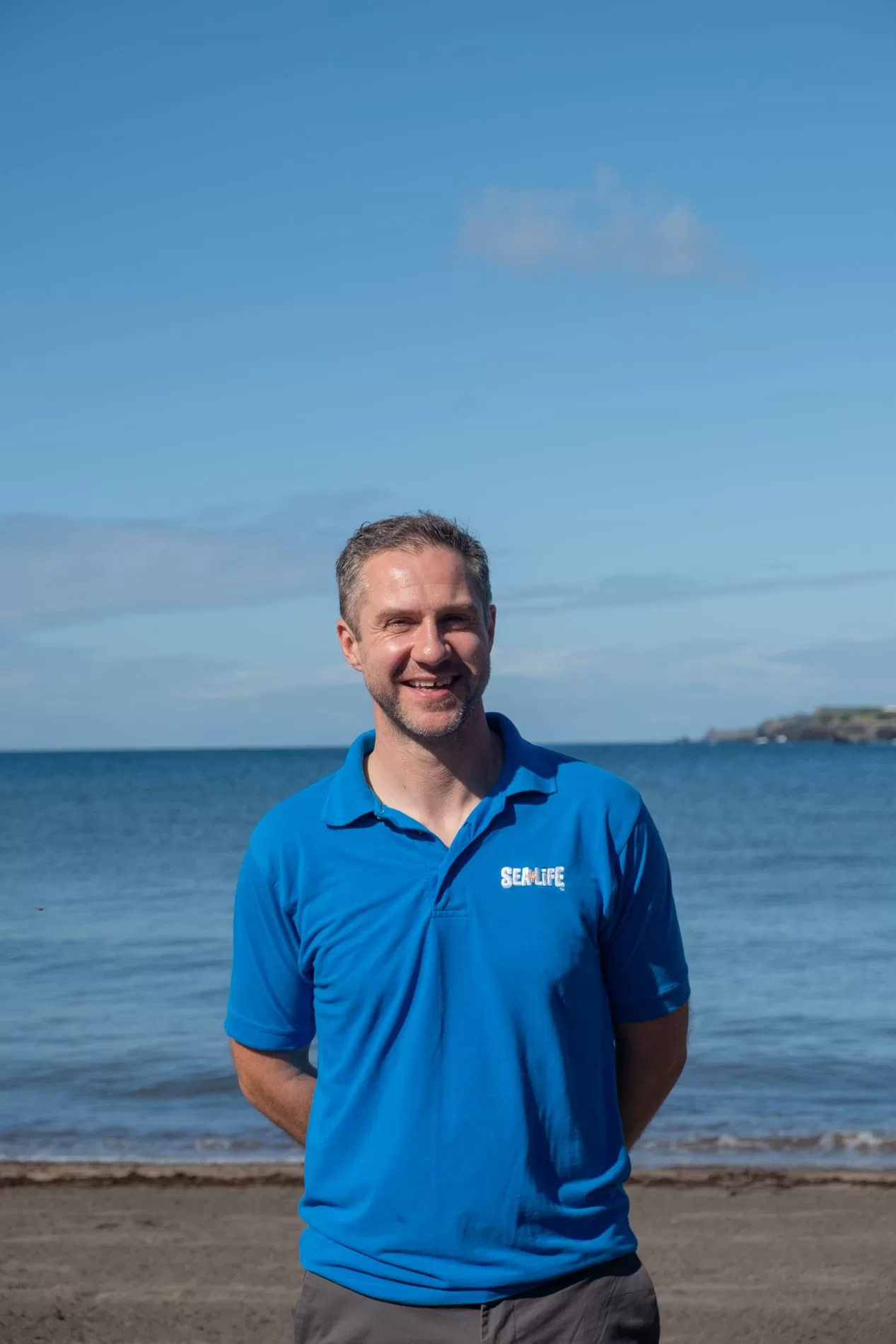
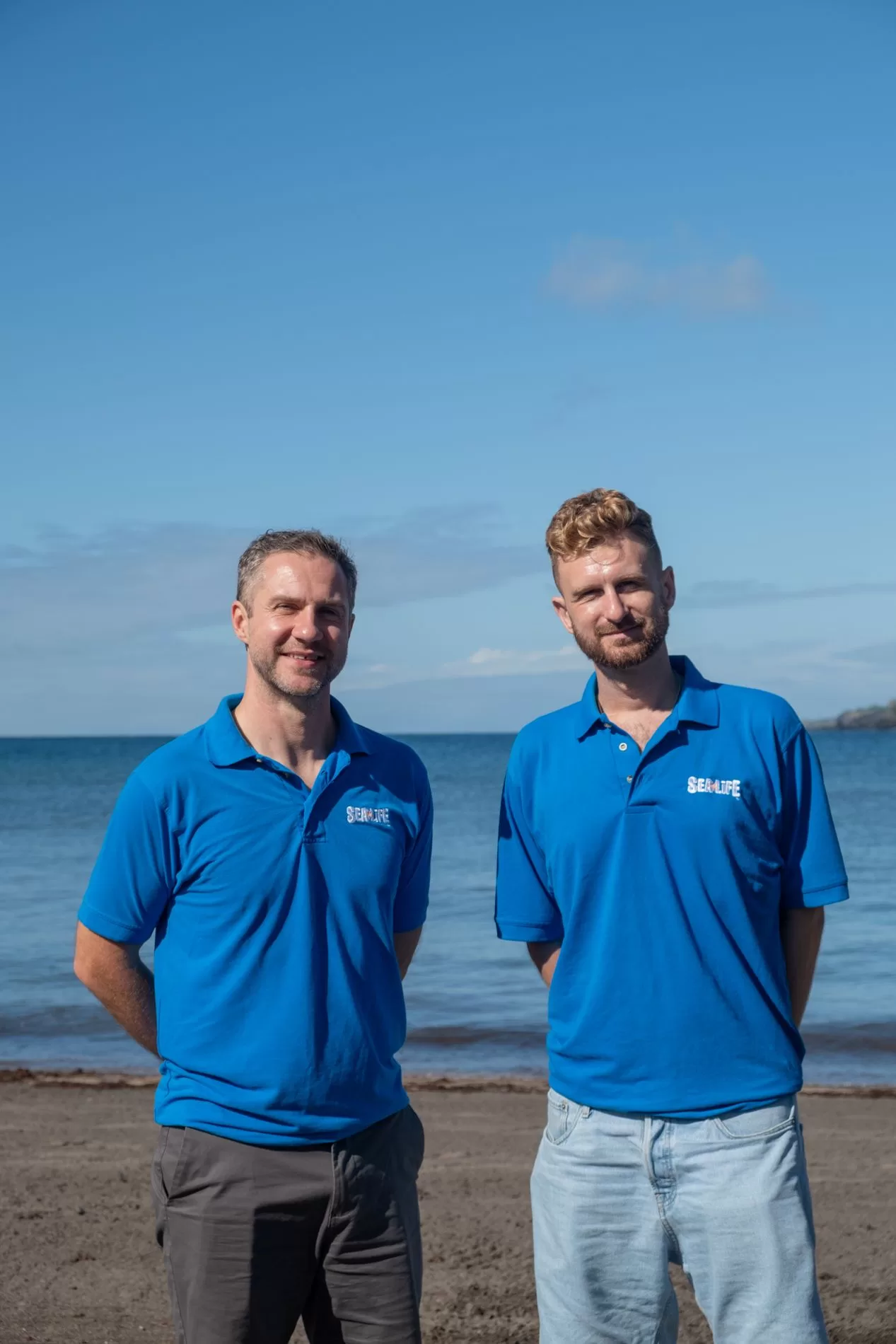
Over the next two days, I coordinated closely with SEA LIFE curators Todd German and Joe Williams and with the local marine teams. They shared details about the turtles and the rehabilitation process. They also allowed space for me to suggest a few locations for short interviews and B-roll. I focused on understanding their workflow and keeping my presence as unobtrusive as possible.
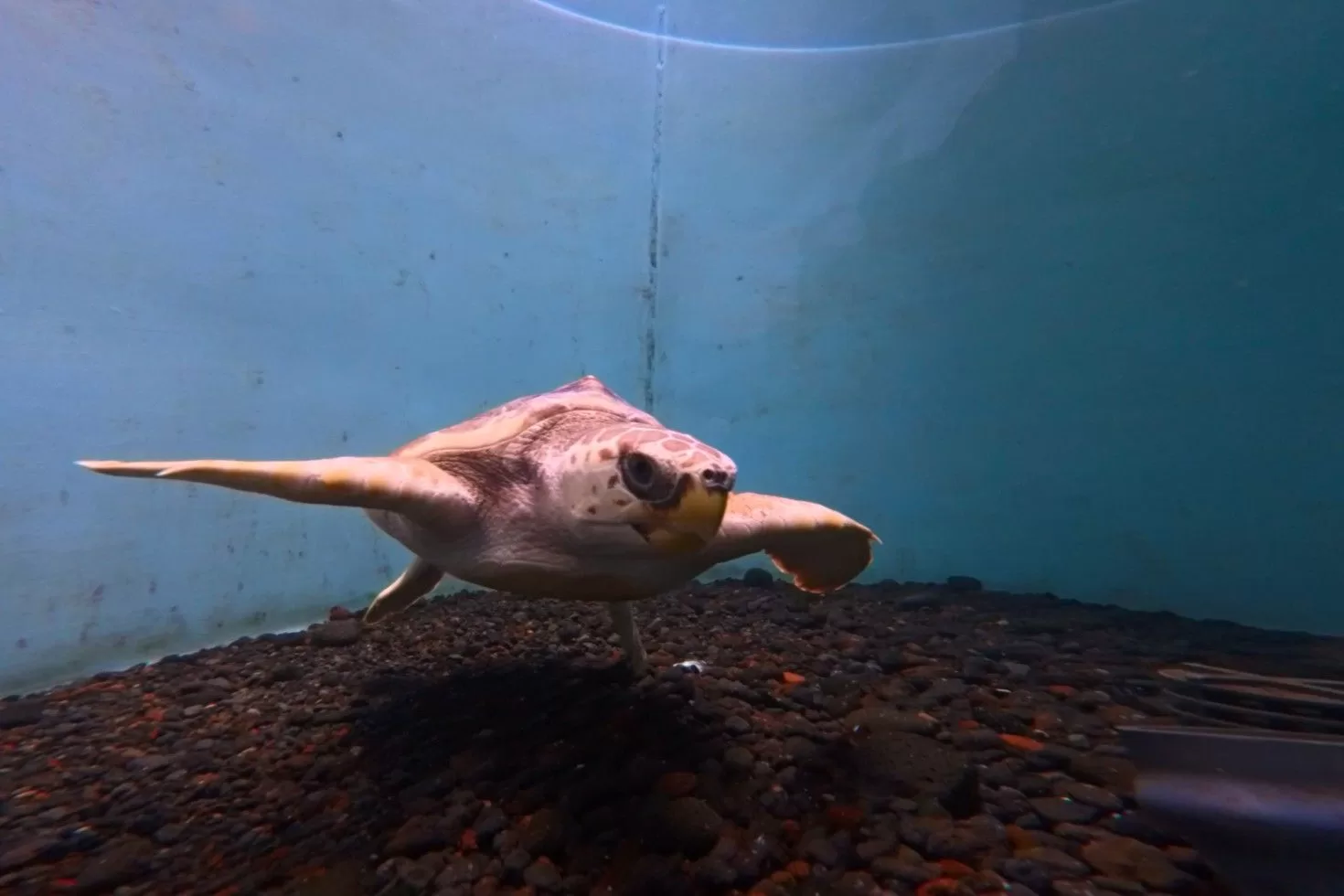
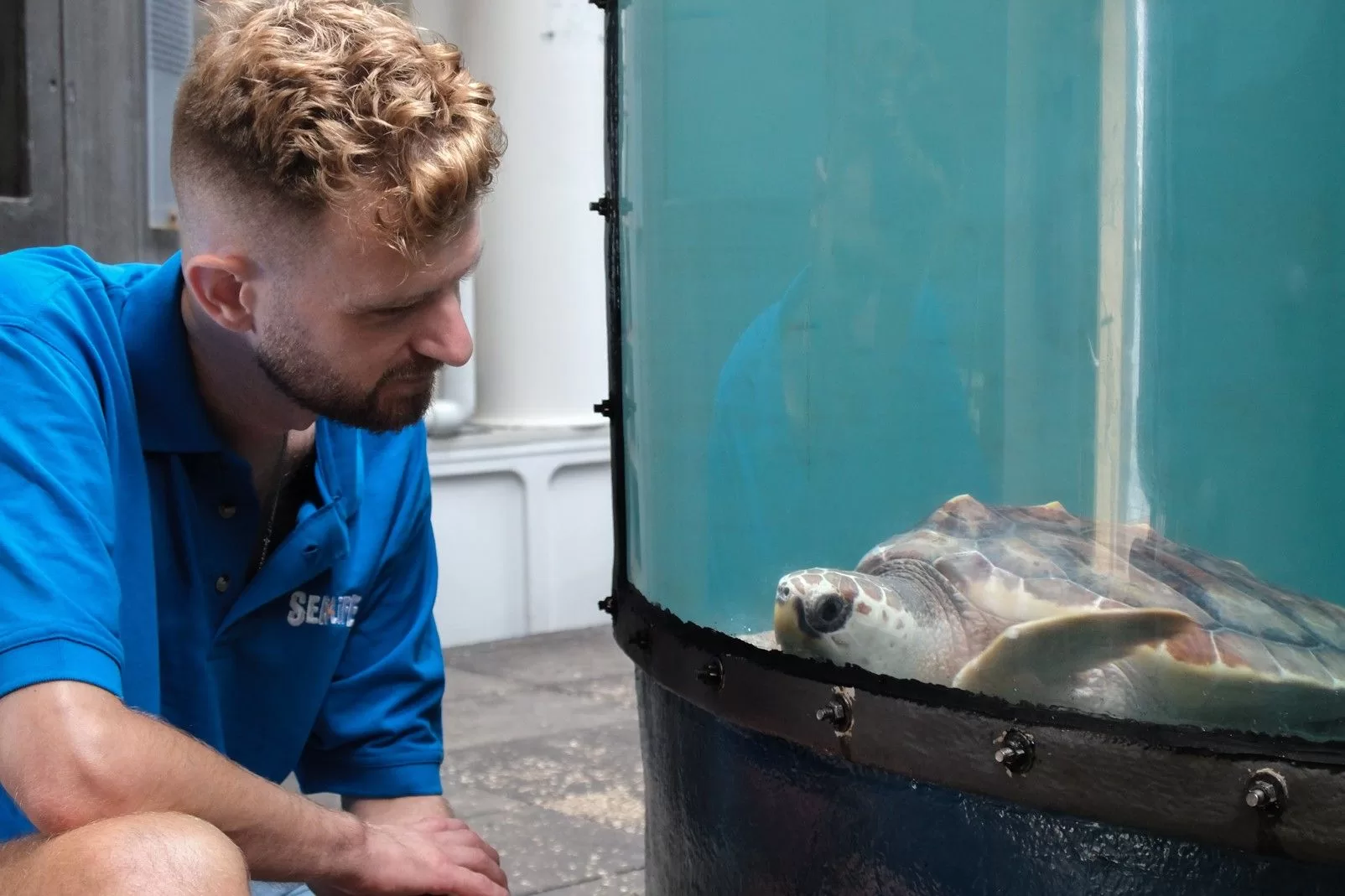
The two turtles, Tarquin and Barnacle Bill, behaved differently. Tarquin was smaller and kept more distance from people. Barnacle Bill was larger and more curious, often approaching the glass during feeding. Both appeared calm and stable in the aquarium tanks. Watching them surface for air created a sense of presence that photographs only partially capture.
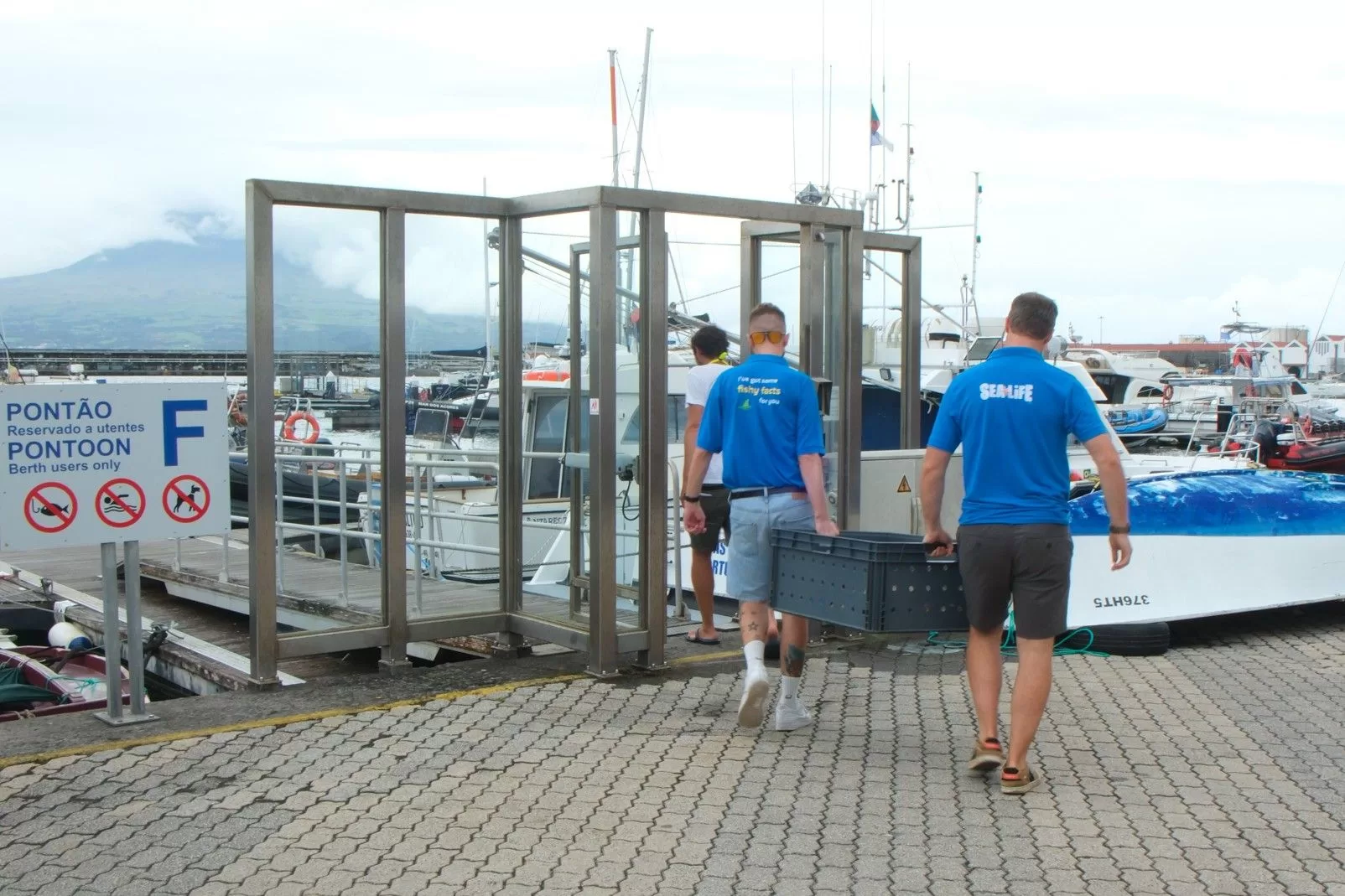
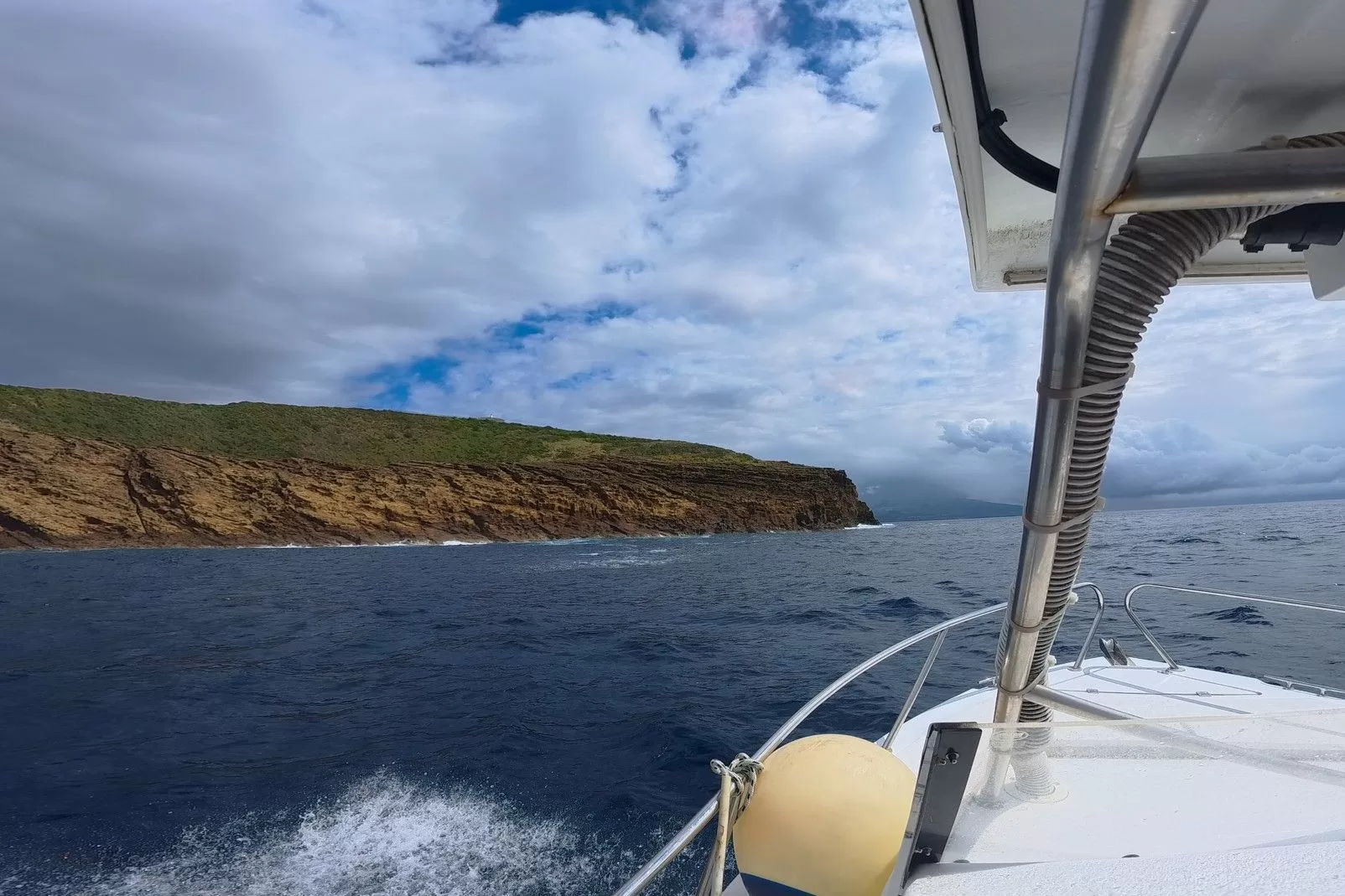
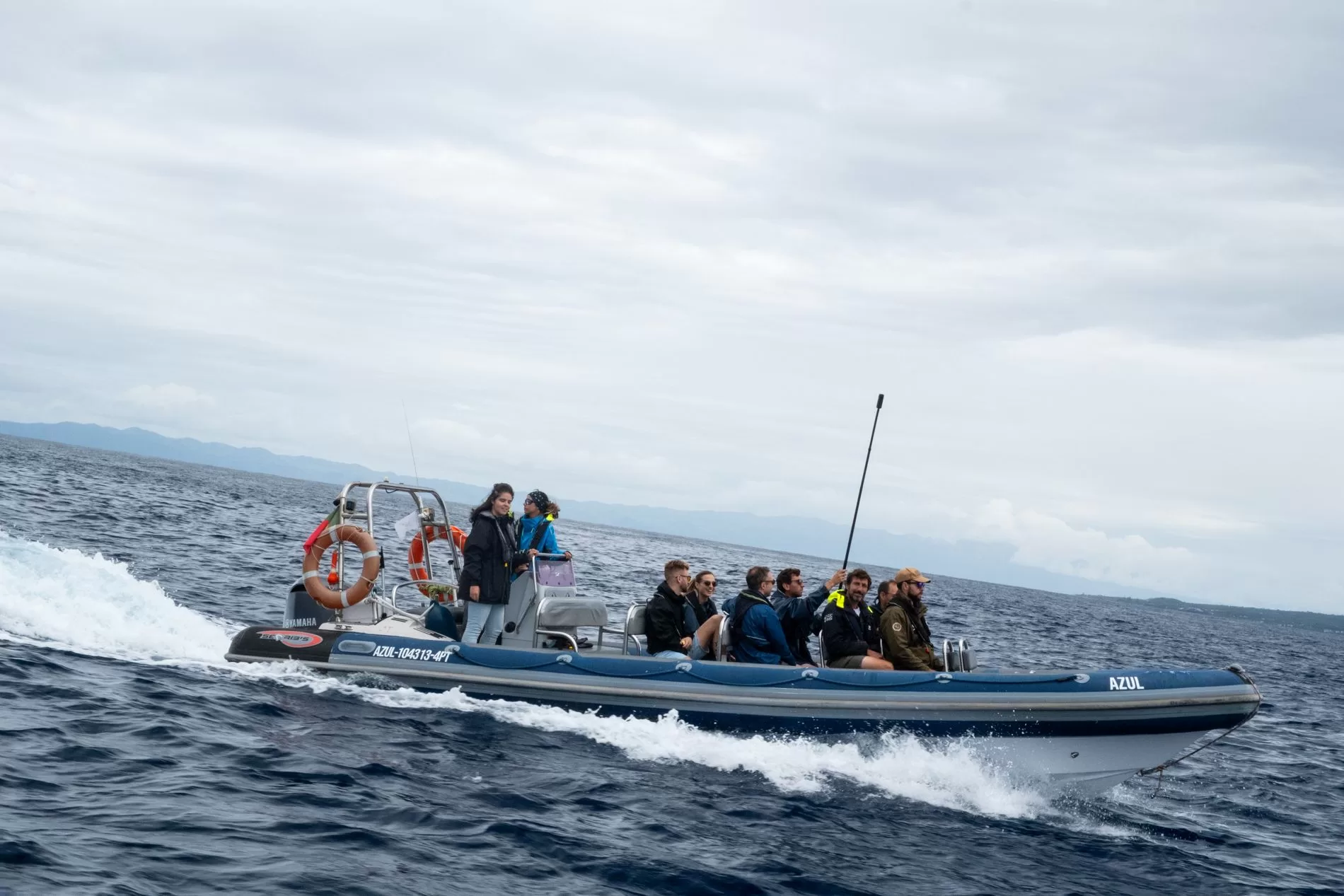
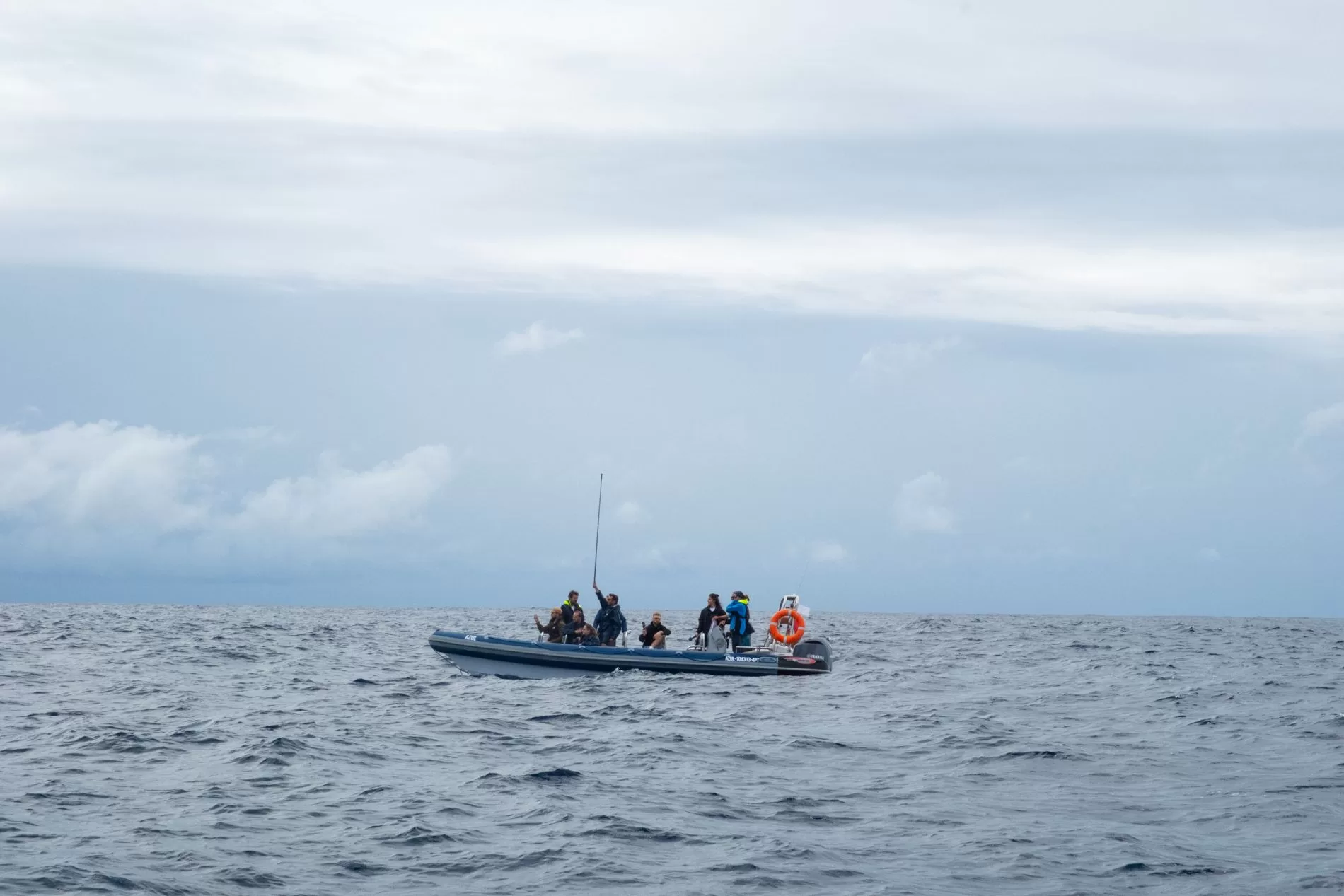
On the morning of the release, the conditions shifted again. Clouds opened and closed, but the sea stayed steady enough to proceed. The turtles traveled on one boat while I was on another, which created a natural distance and required more anticipation. Movement on the water added its own challenge. There was only a brief opportunity to document the moment clearly.
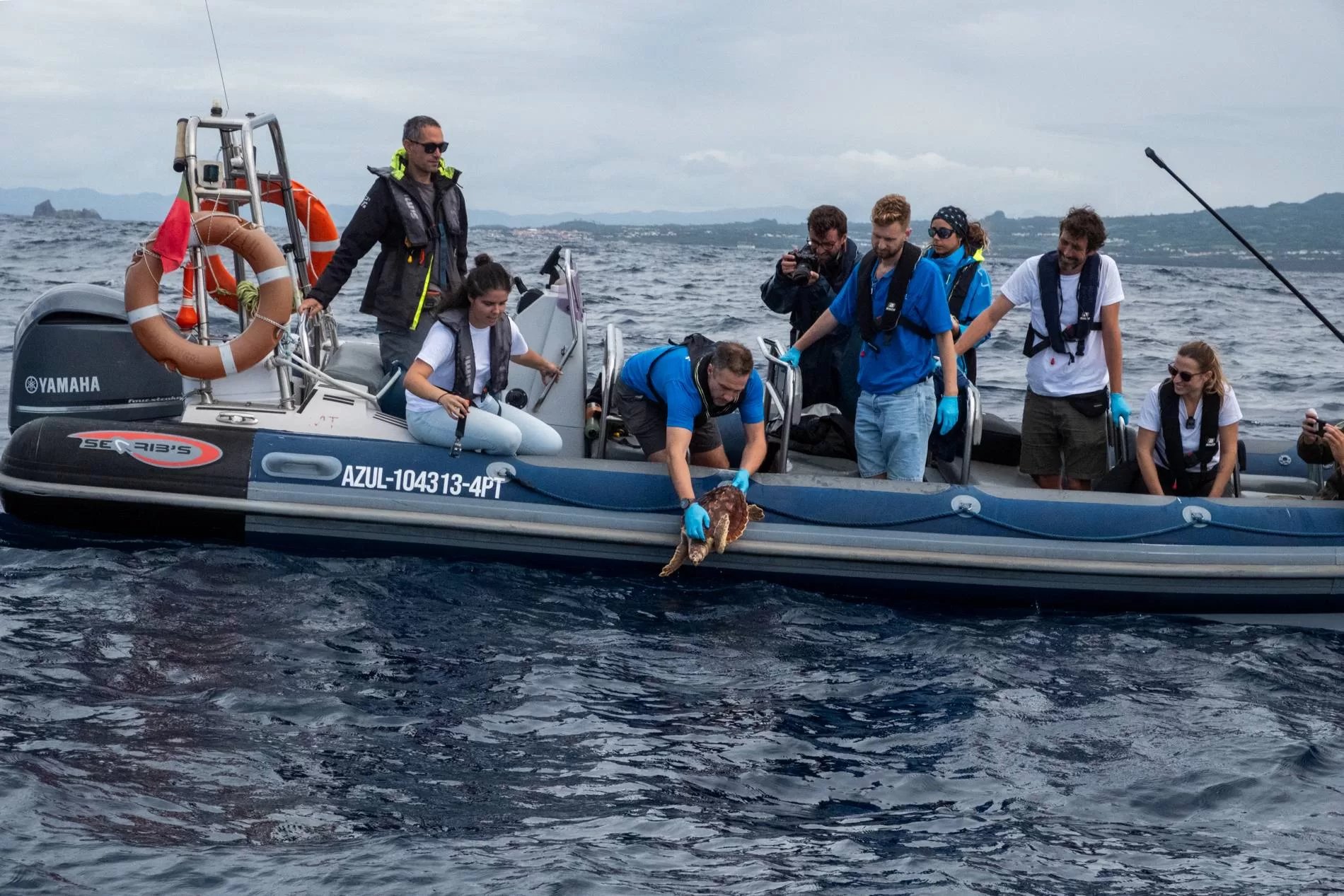
The release itself was quiet. A final adjustment, a short pause, and each turtle moved back into open water. Most of the work that led to that moment had taken place long before I arrived. The teams made the process look smooth despite the amount of preparation behind it.
A group of dolphins appeared on the way to the release site. I kept my setup focused on the assignment and chose not to switch gear. We recorded them with an action camera instead. It felt more important to stay committed to documenting the release.
It was a small role within a larger conservation effort, but enough to reinforce the direction I want to continue exploring. I left Faial with a more grounded understanding of the work behind rehabilitation and release programs and with a strong interest in returning to the Azores to spend more time with the conservation community there.