I visited Doñana on a very hot and dry day. We arrived early, when the air was still manageable and animals were less hesitant to leave the shade. The drive into the park was long enough to feel the scale of it, and the heat made every shift in movement noticeable. I knew we only had half a day, so I tried to stay alert and make the most of whatever appeared.
The first moments were shaped by the heat. It settled over everything. Animals moved slowly or stayed hidden once the sun rose, which made the early hours feel like a small window. My internal state was mostly excitement. I felt ready to work and to stay open to whatever appeared. Part of me stayed aware of the possibility of an Iberian lynx, even knowing how unlikely it was.
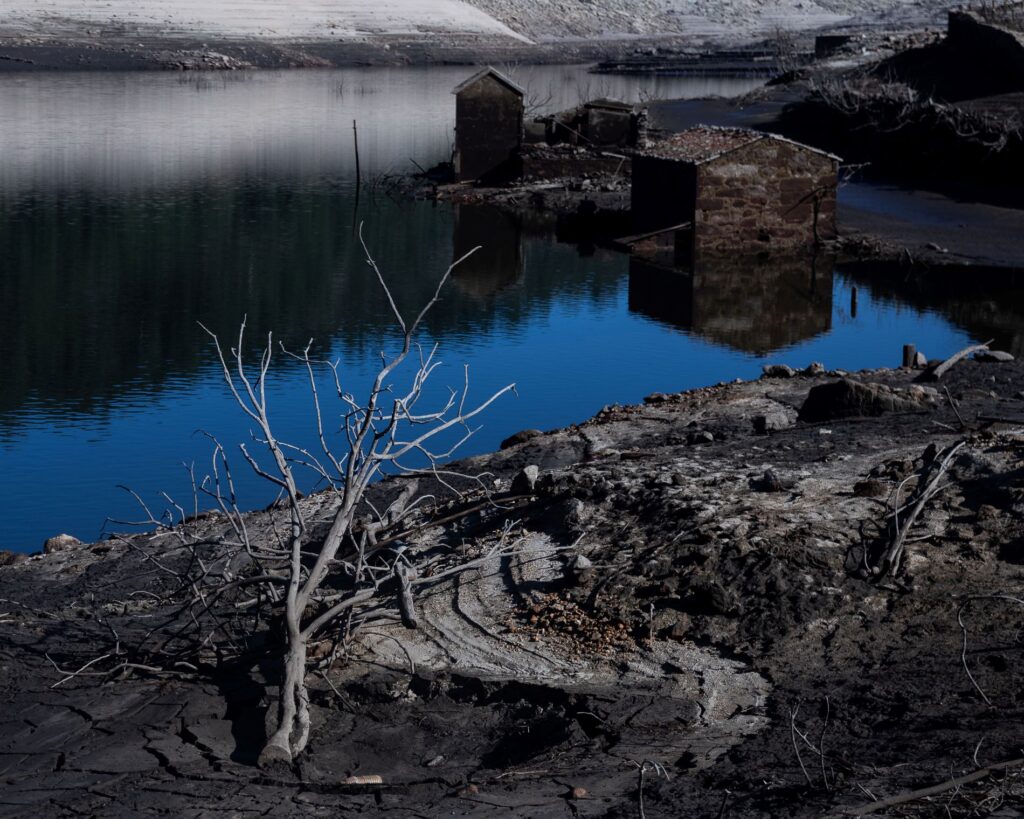
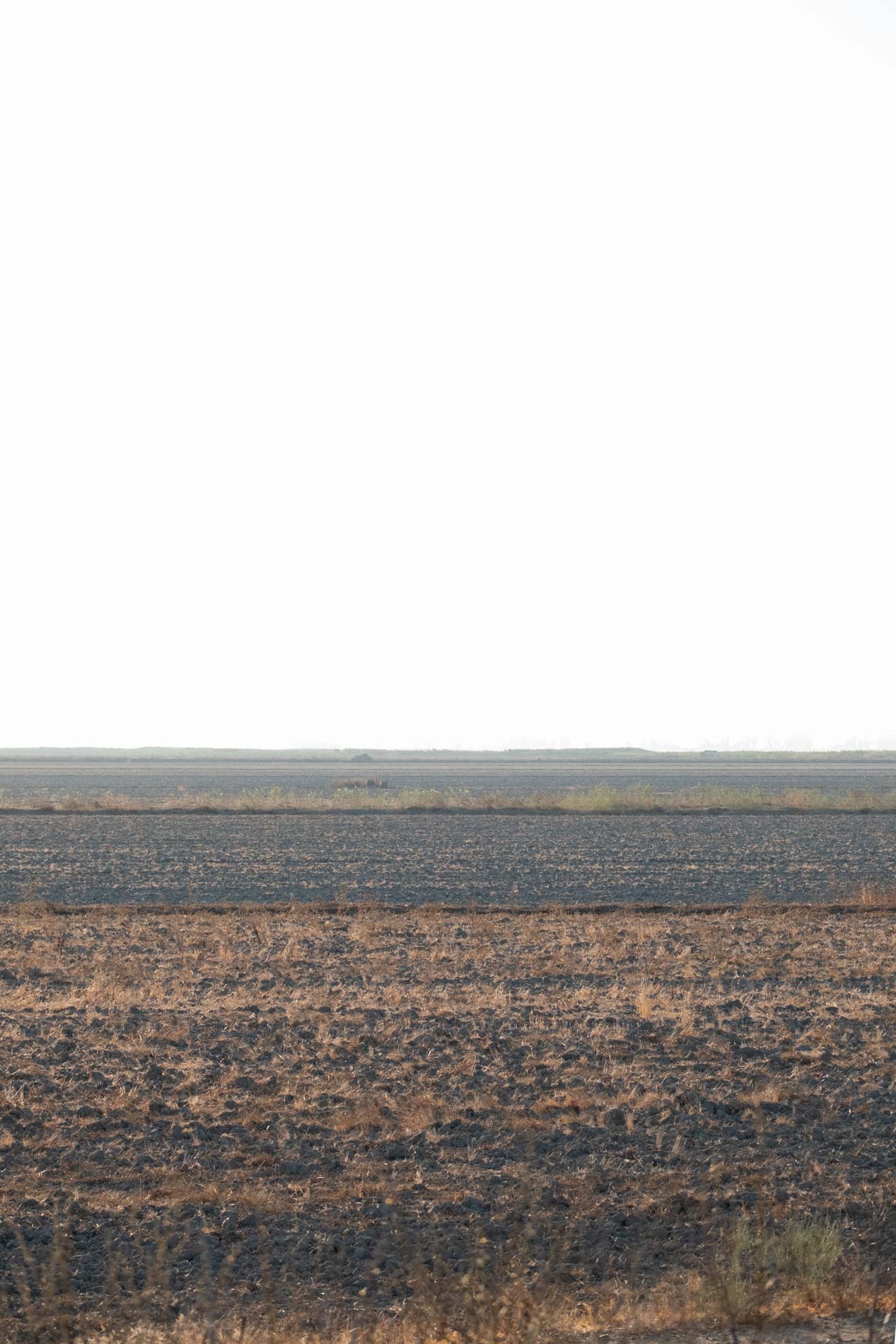
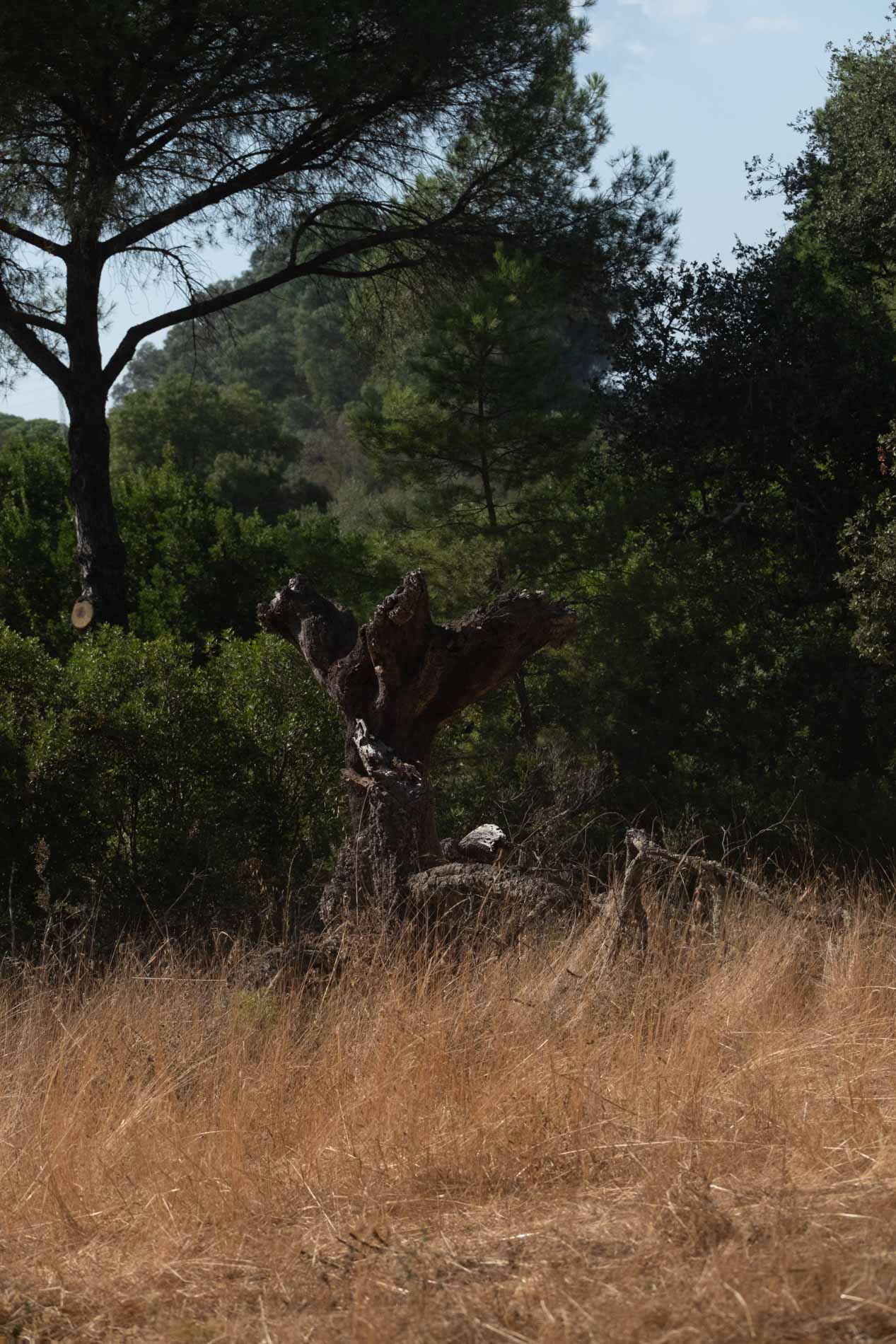
The landscape carried signs of cycles that had passed. Parts of the ground felt cracked from drying out after being submerged. Other areas held a faint softness, as if water had only recently receded. It was easy to imagine how the terrain would shift again in a few months.
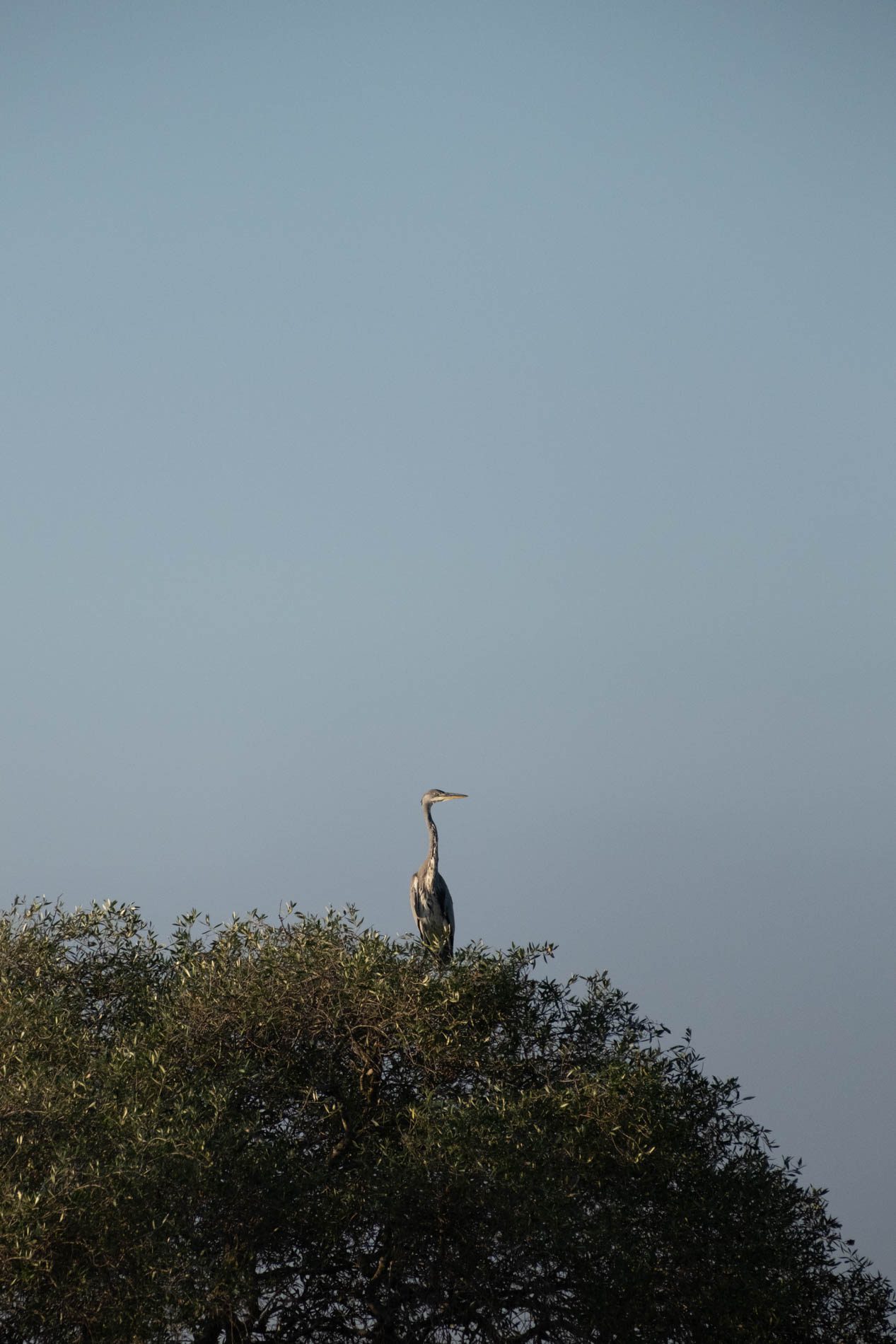
The heron in the tree was the first surprise. We had just seen a nest, so I expected movement but not a bird perched that high. I followed its path and tried to keep up as it lifted off again.
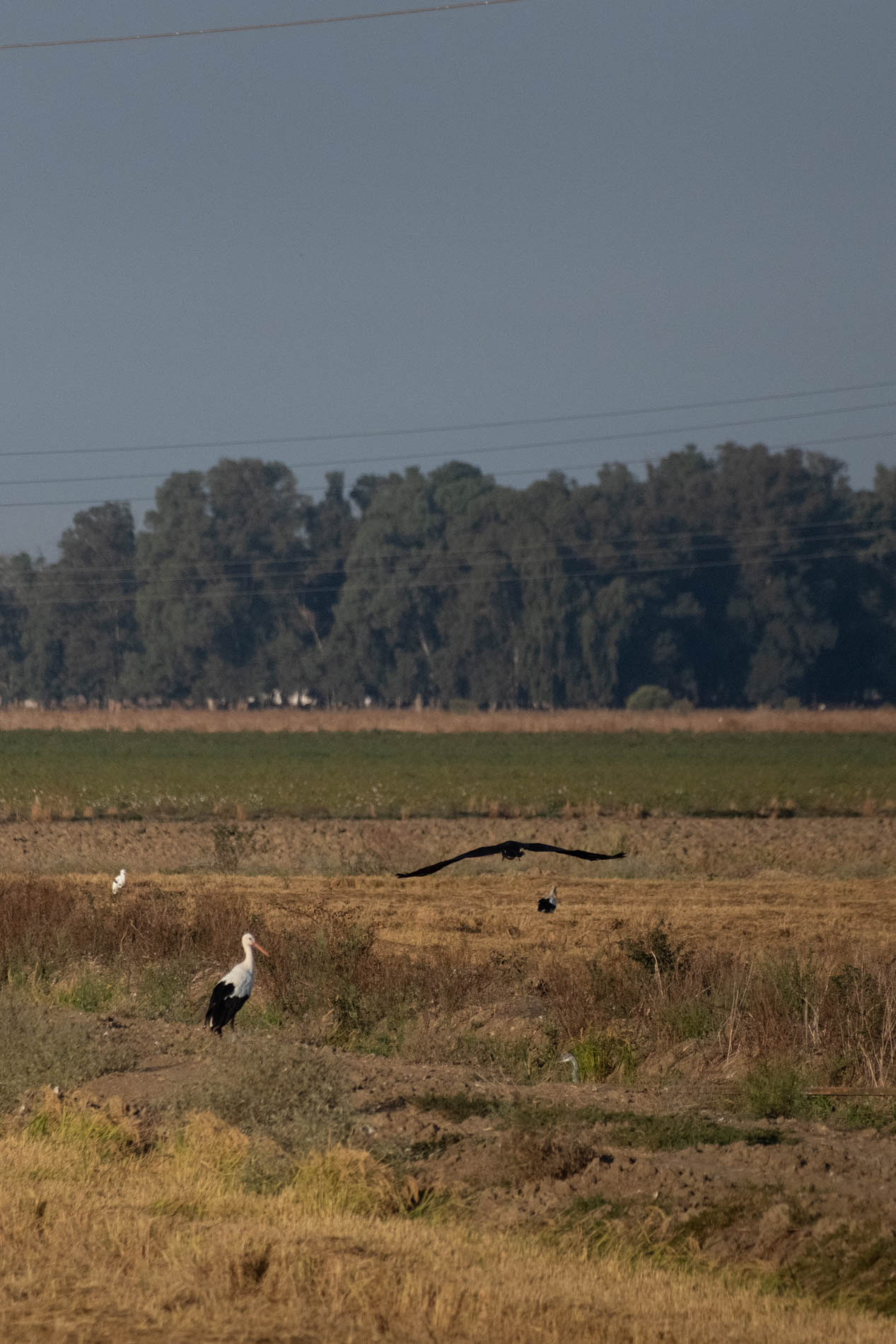
The black stork was another unexpected moment. It appeared briefly among white birds, and the contrast made it stand out. It felt rare in a way that didn’t need emphasis, just attention.
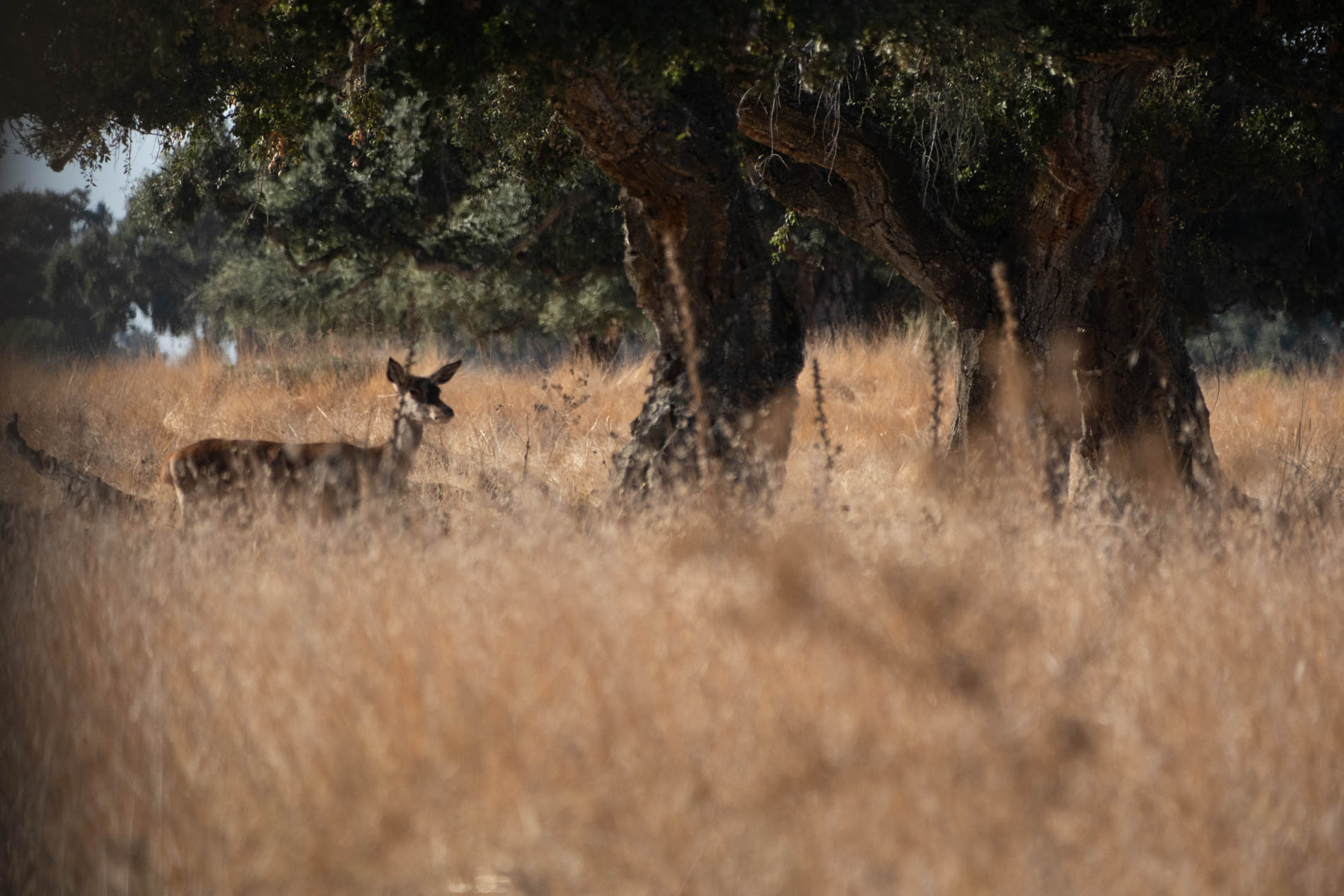
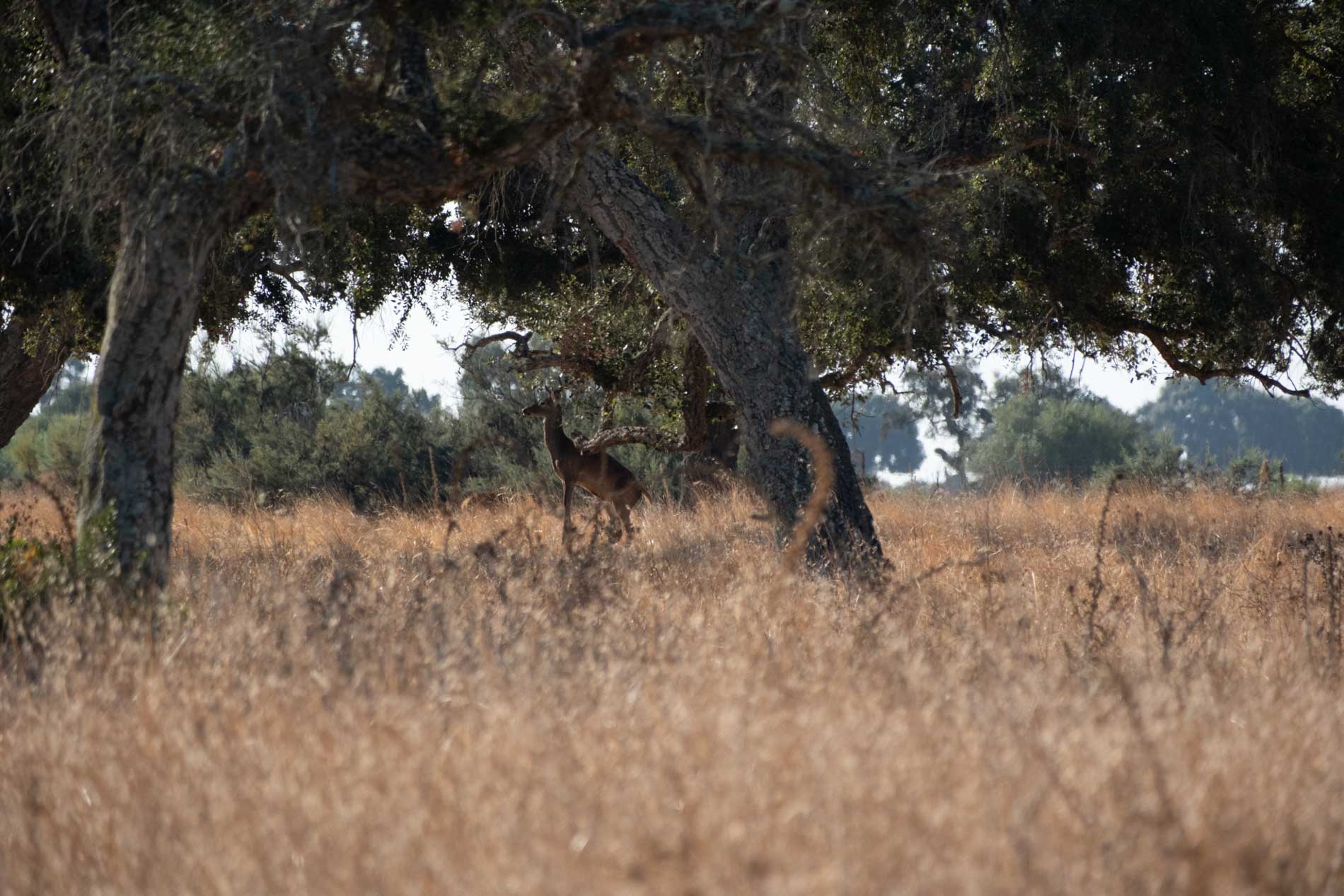
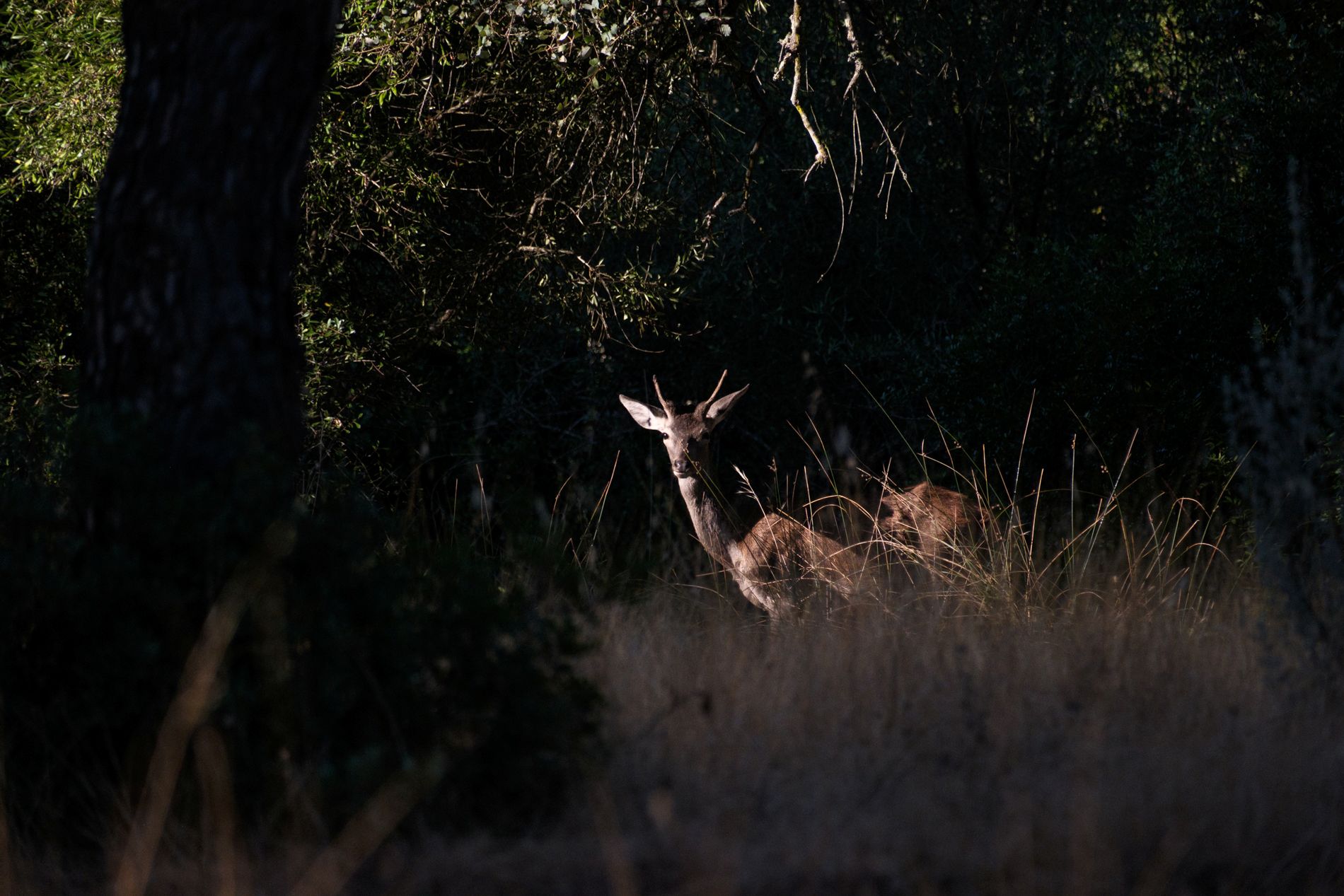
The fallow deer became the moment that held my attention the longest. The light was already good, and it was clear that if the deer moved a certain way, everything would line up. I waited, adjusted my position, and stayed with it until the moment formed. It was one of the few times where anticipation and outcome matched exactly.
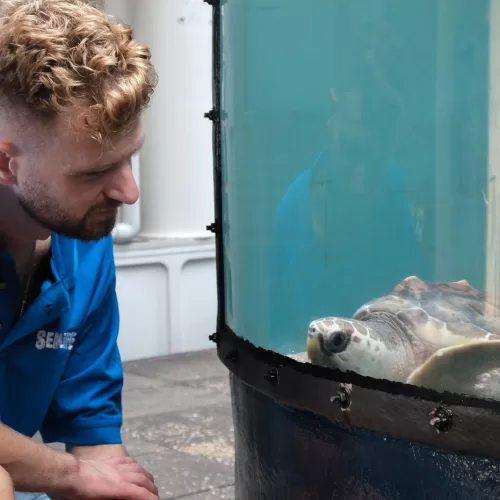
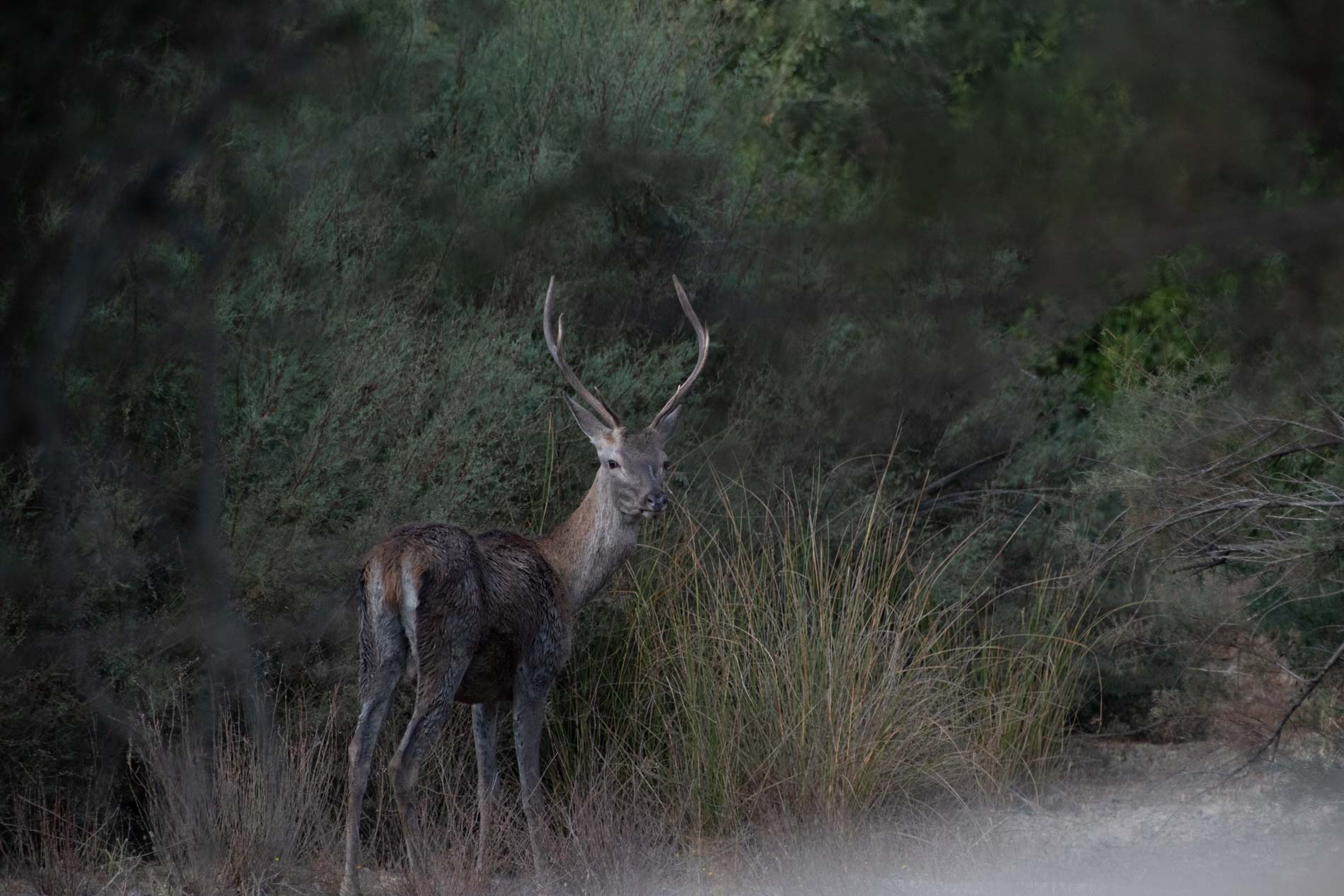
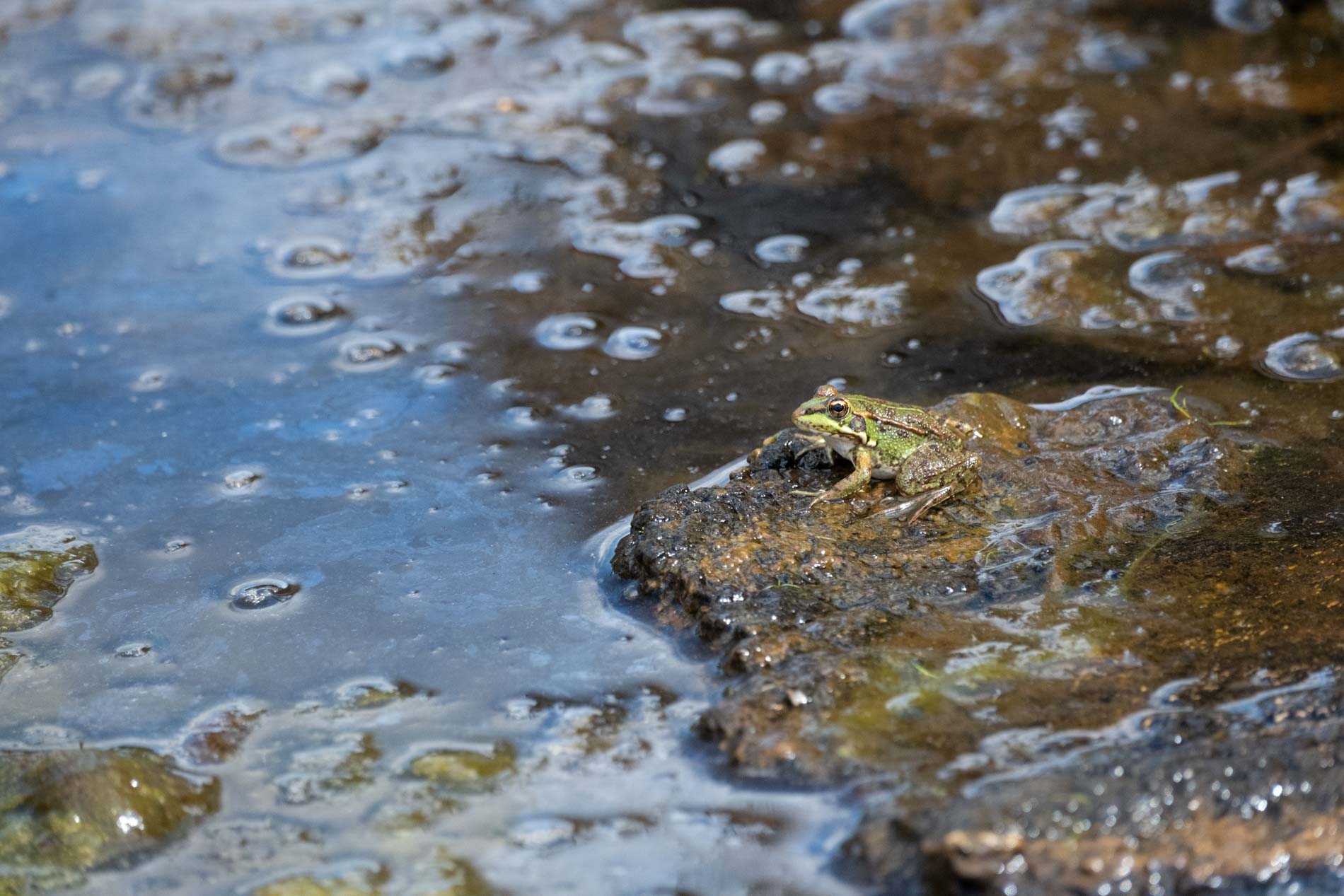
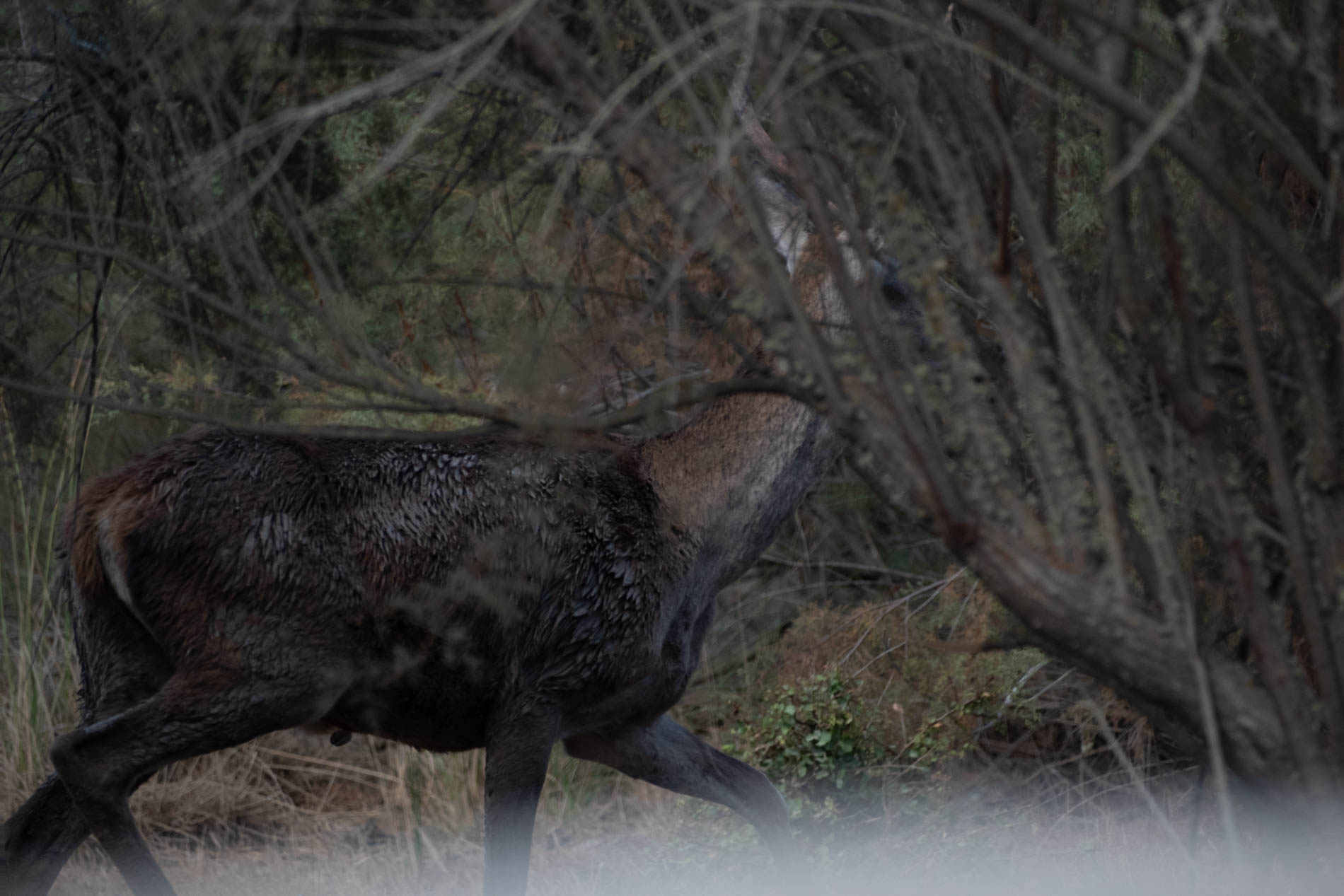
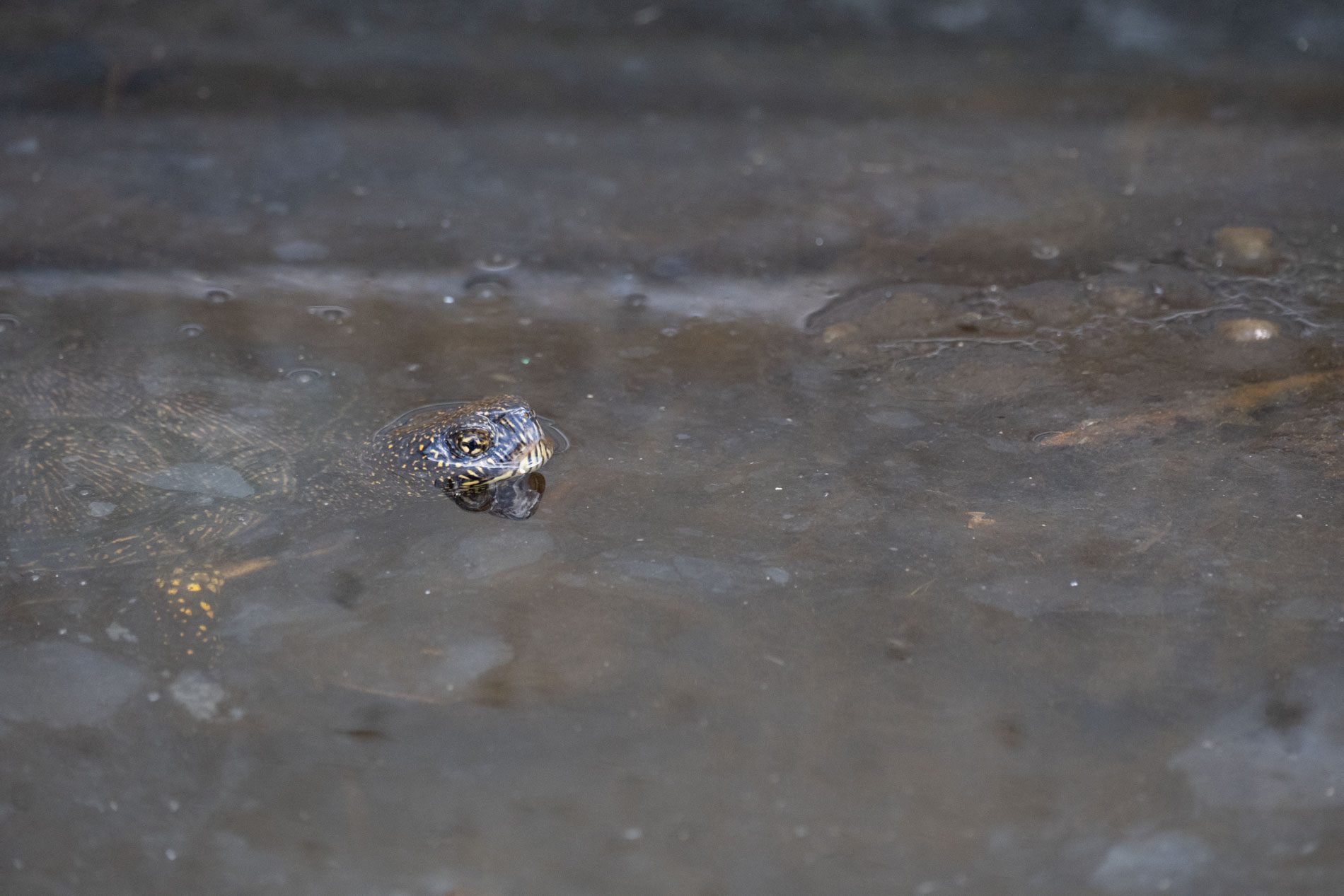
Near the visitor center, a European pond turtle surfaced, followed by a water frog in the swamp. Both were small, quick encounters but still grounding. Later, on the way out, we saw another deer with its back legs covered in mud. He must have found a place to cool down. I made one more photograph as he turned and looked back before moving behind the trees. It felt like the natural end of the day.
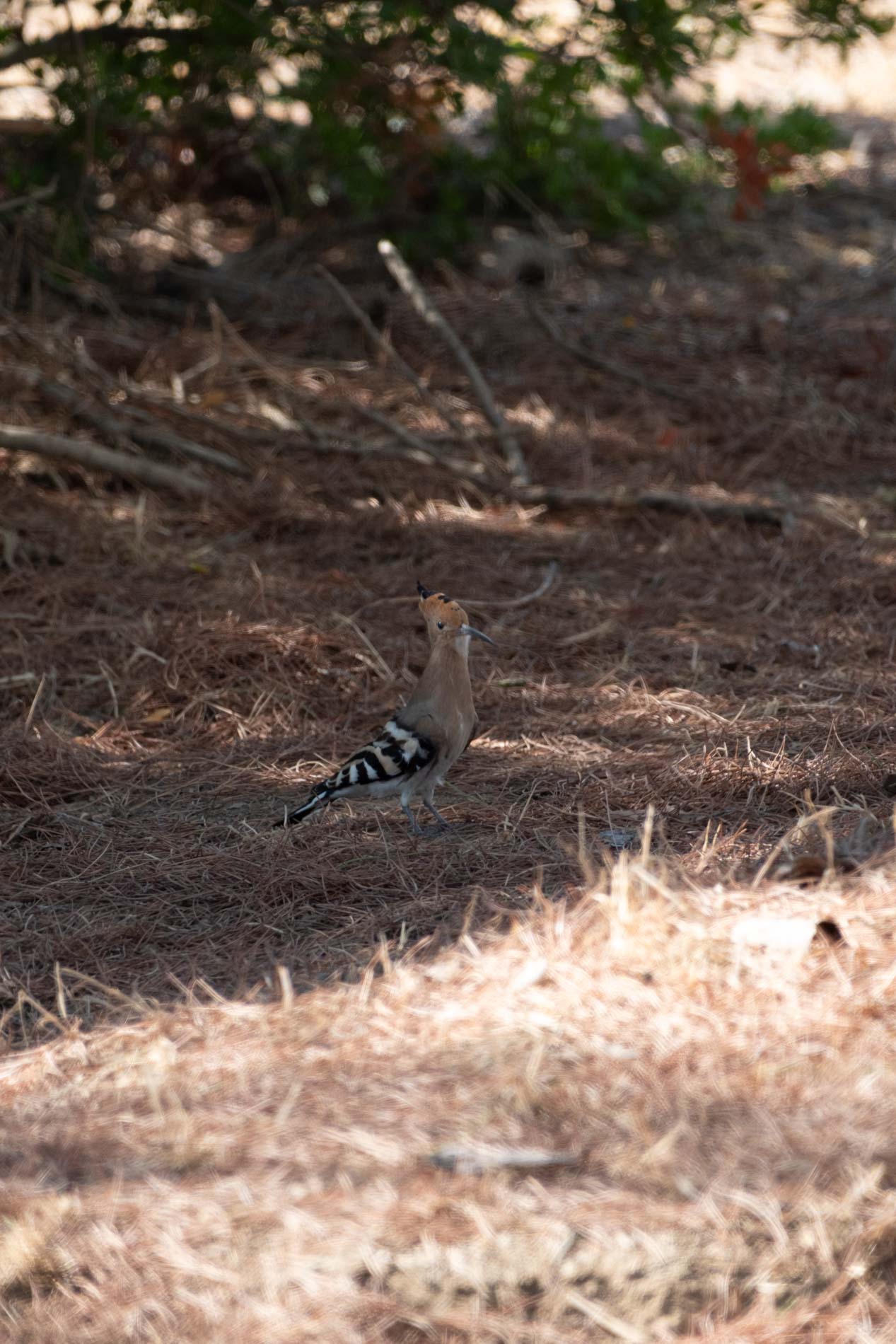
We also saw an Eurasian hoopoe moving quietly in the shade, edging toward the water. The movement was slow and careful, and it stayed low to the ground the entire time.
Human presence was limited. Mostly rangers and people working inside the park. The small houses scattered through the area stood out more because of what they represented. The cows were the only moment that felt familiar, a brief reminder of the Azores in a place where I did not expect it.
The visit stayed with me because of the closeness it afforded. Even in a short window, the park revealed parts of its rhythm, shaped by heat, water, and the safeguards put in place to protect the animals. I kept thinking about the areas that would be submerged again and how quickly the landscape could shift. I left aware of how limited the window had been, and hoping to return with the chance to see the lynx or the javalis in the wild.