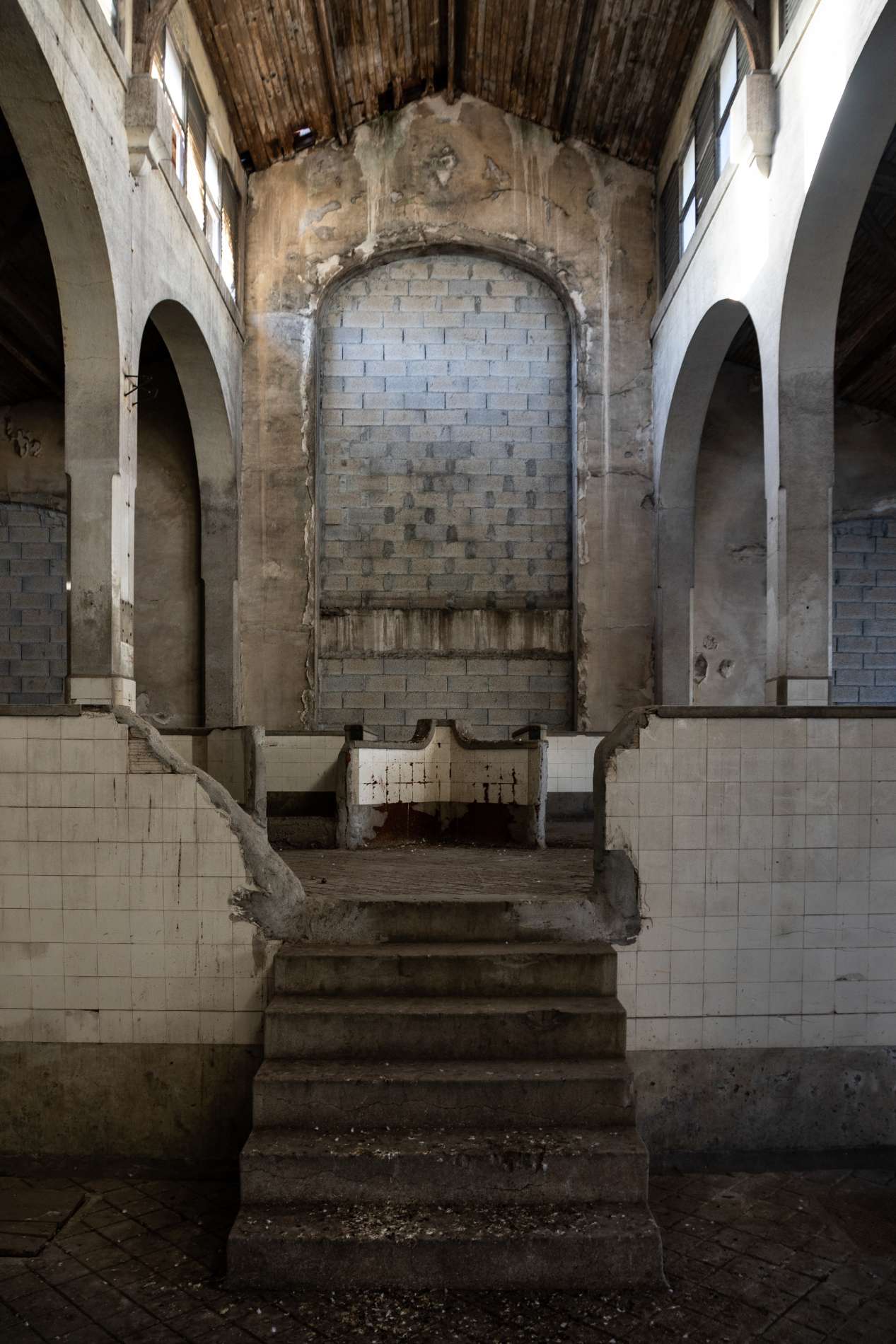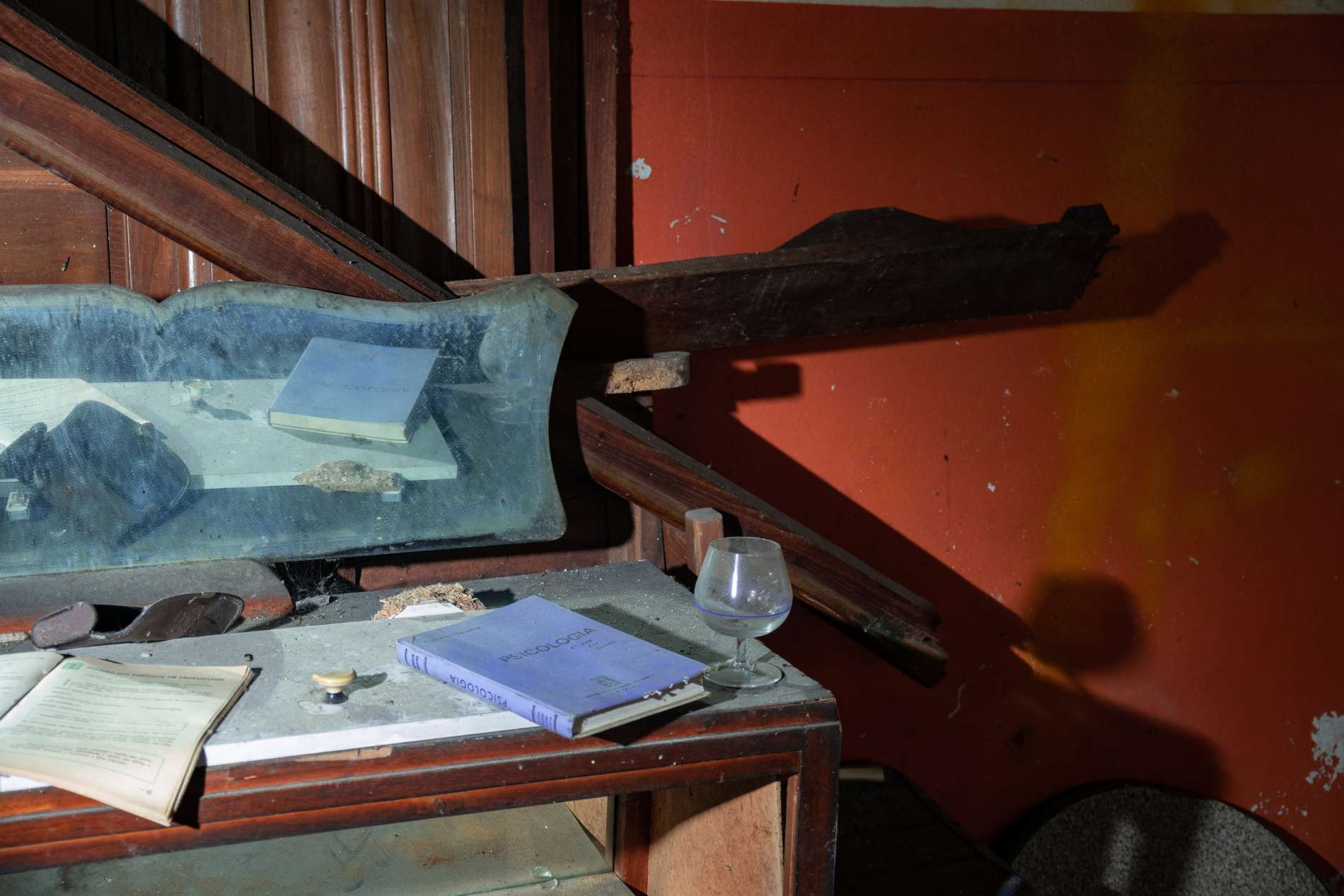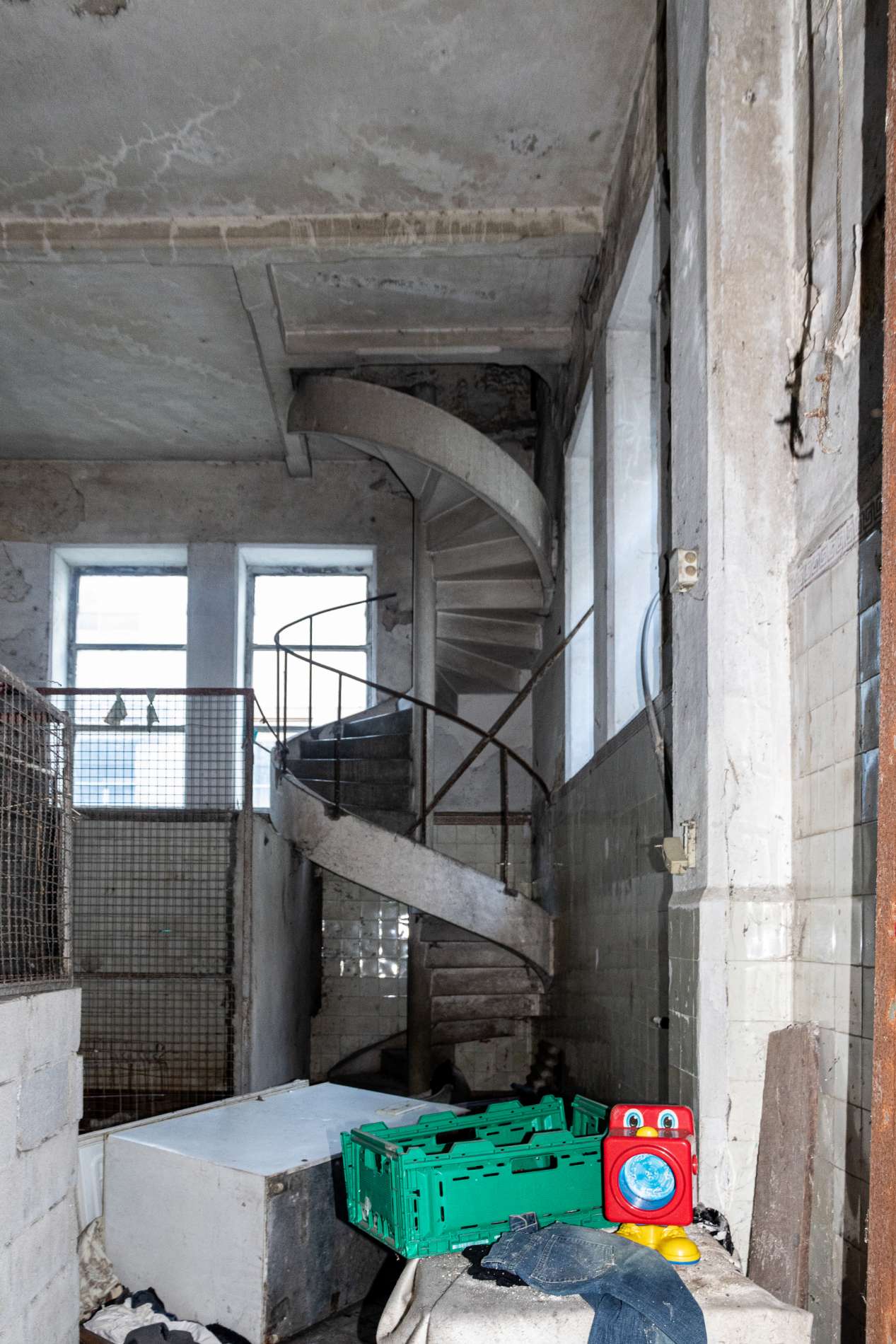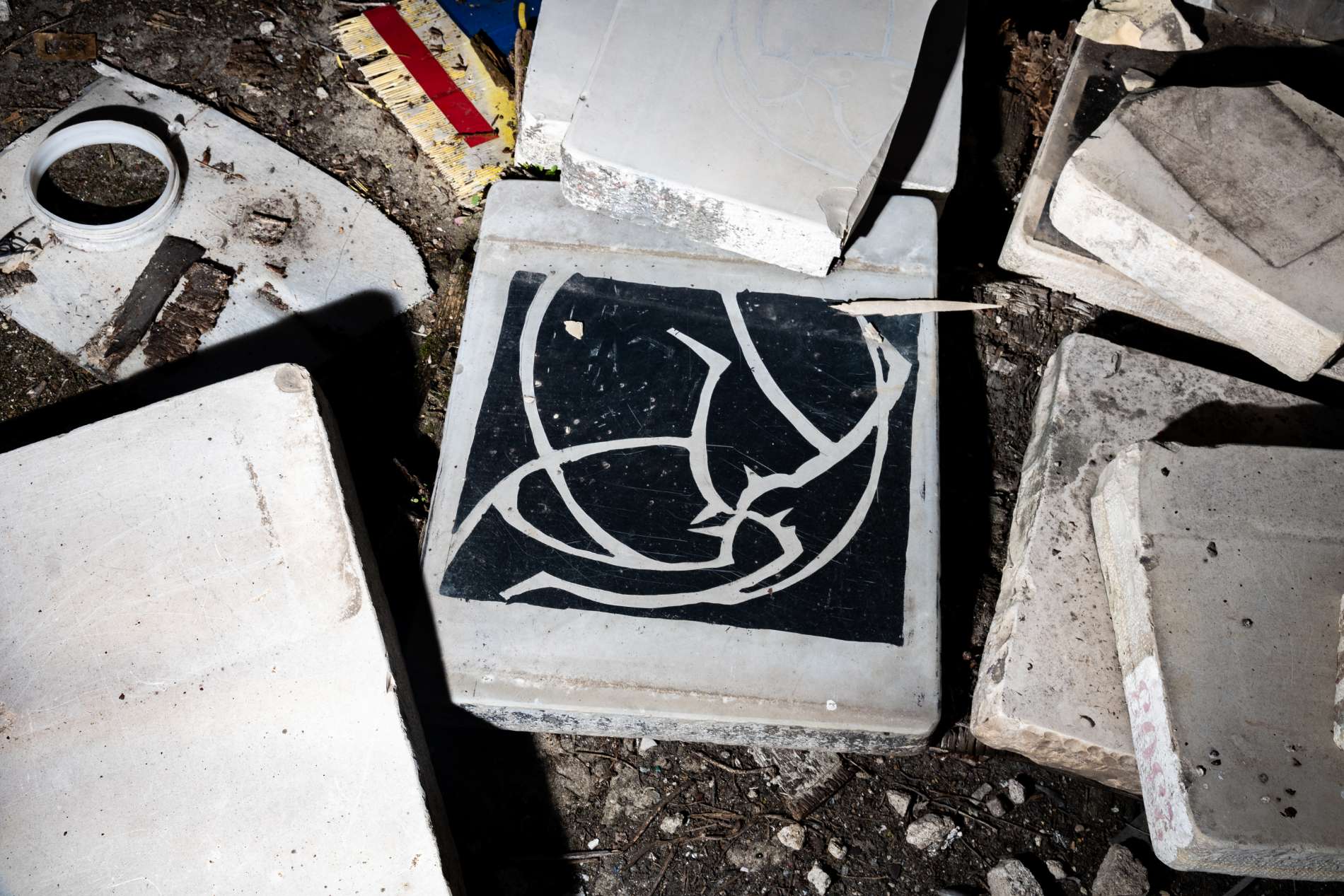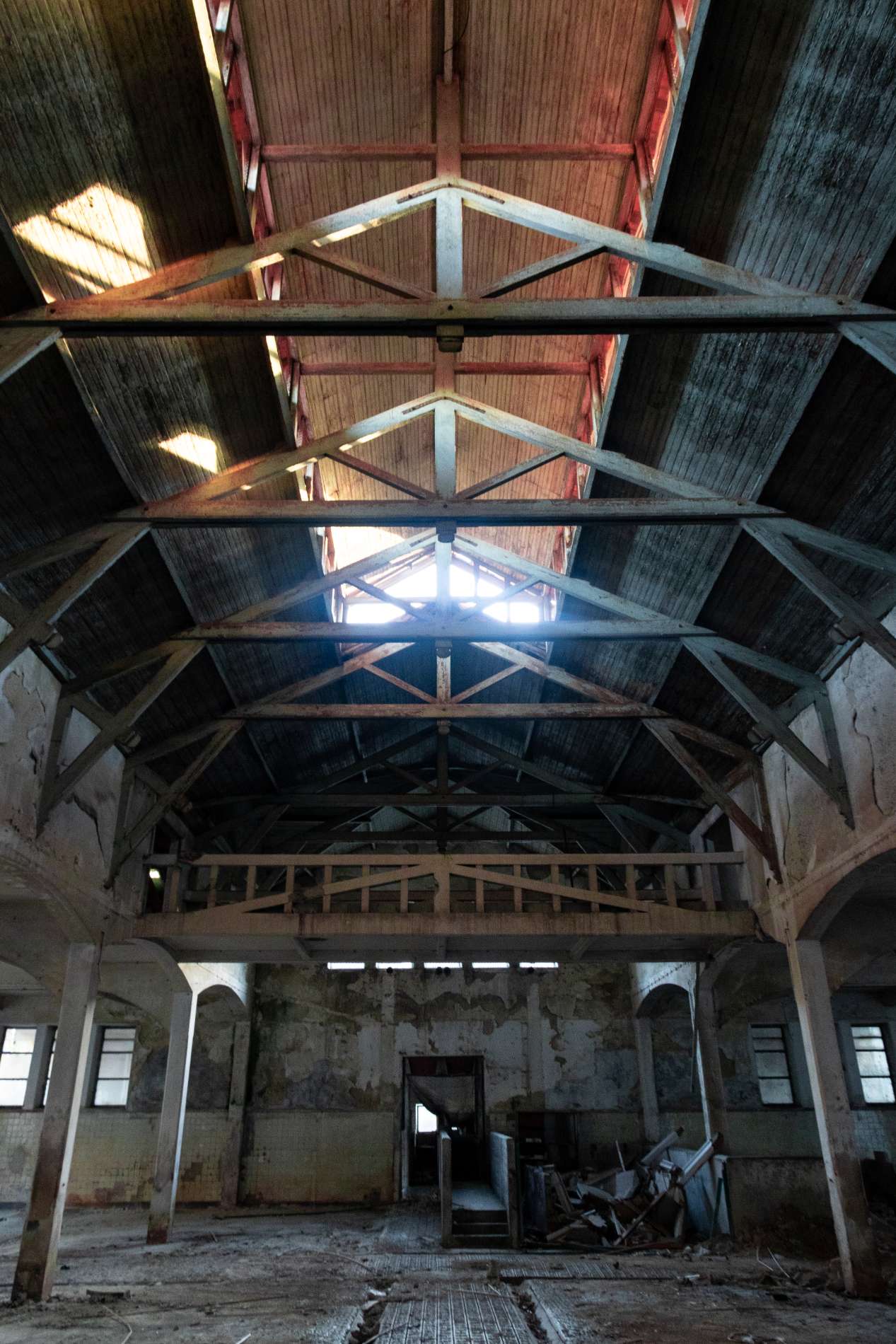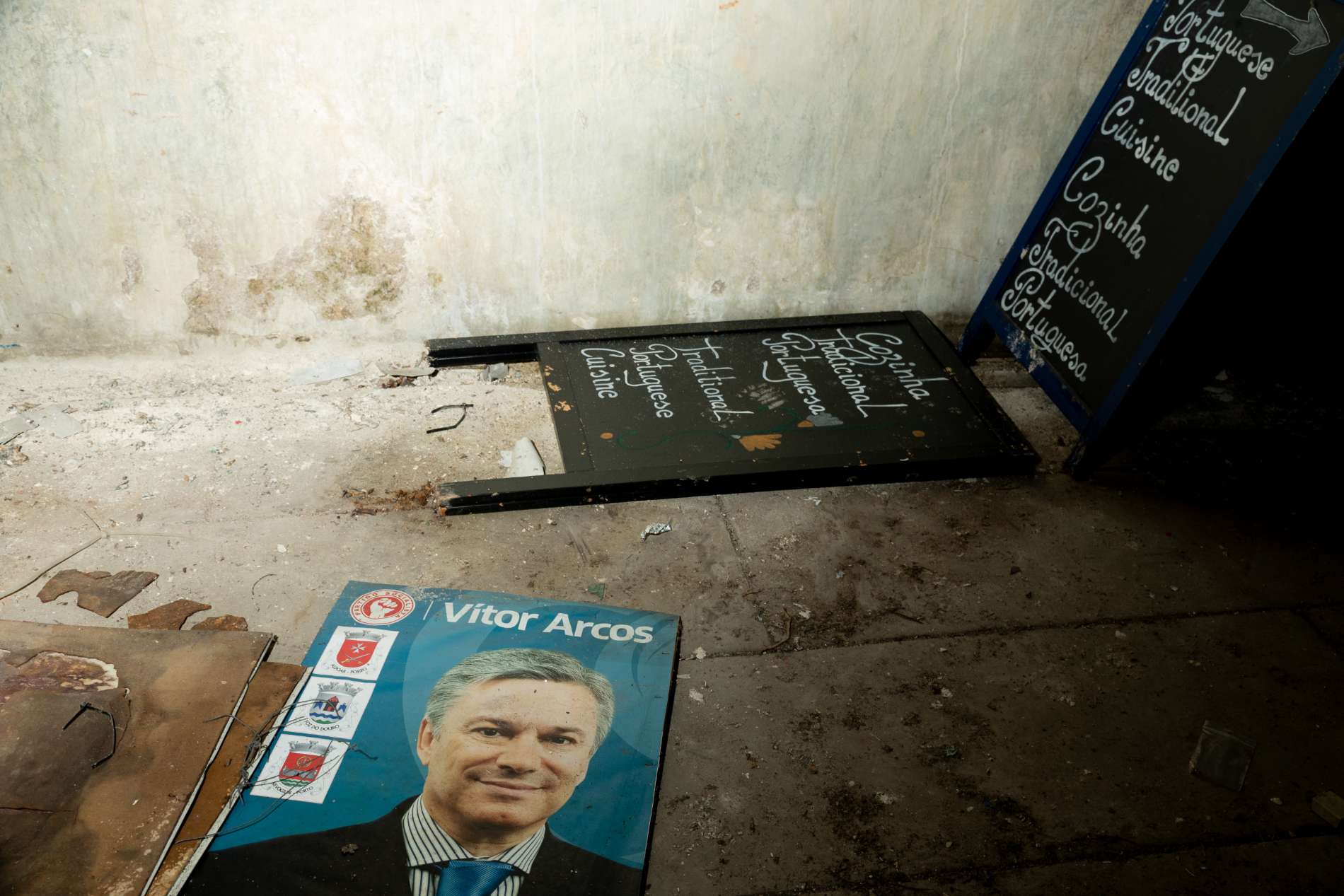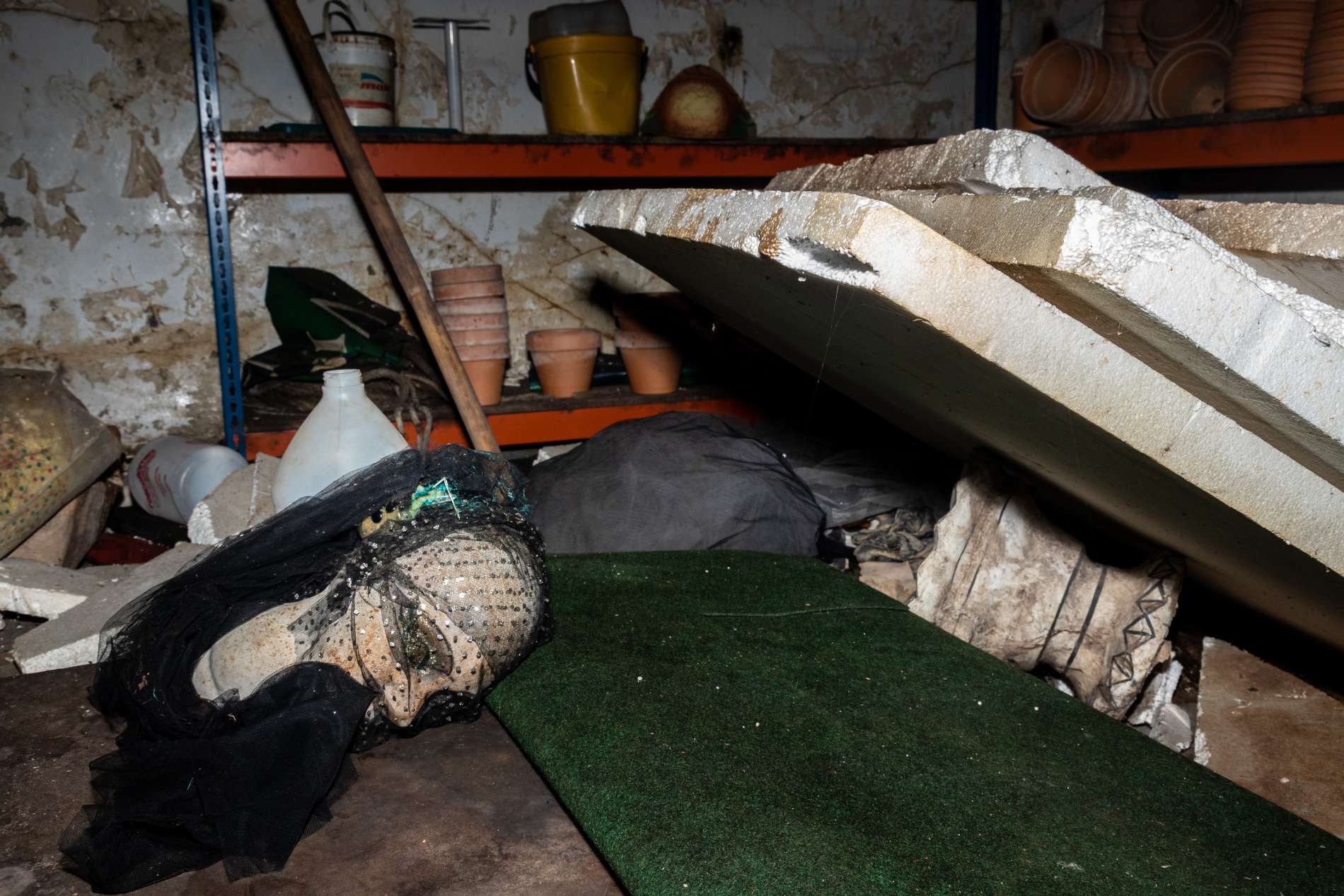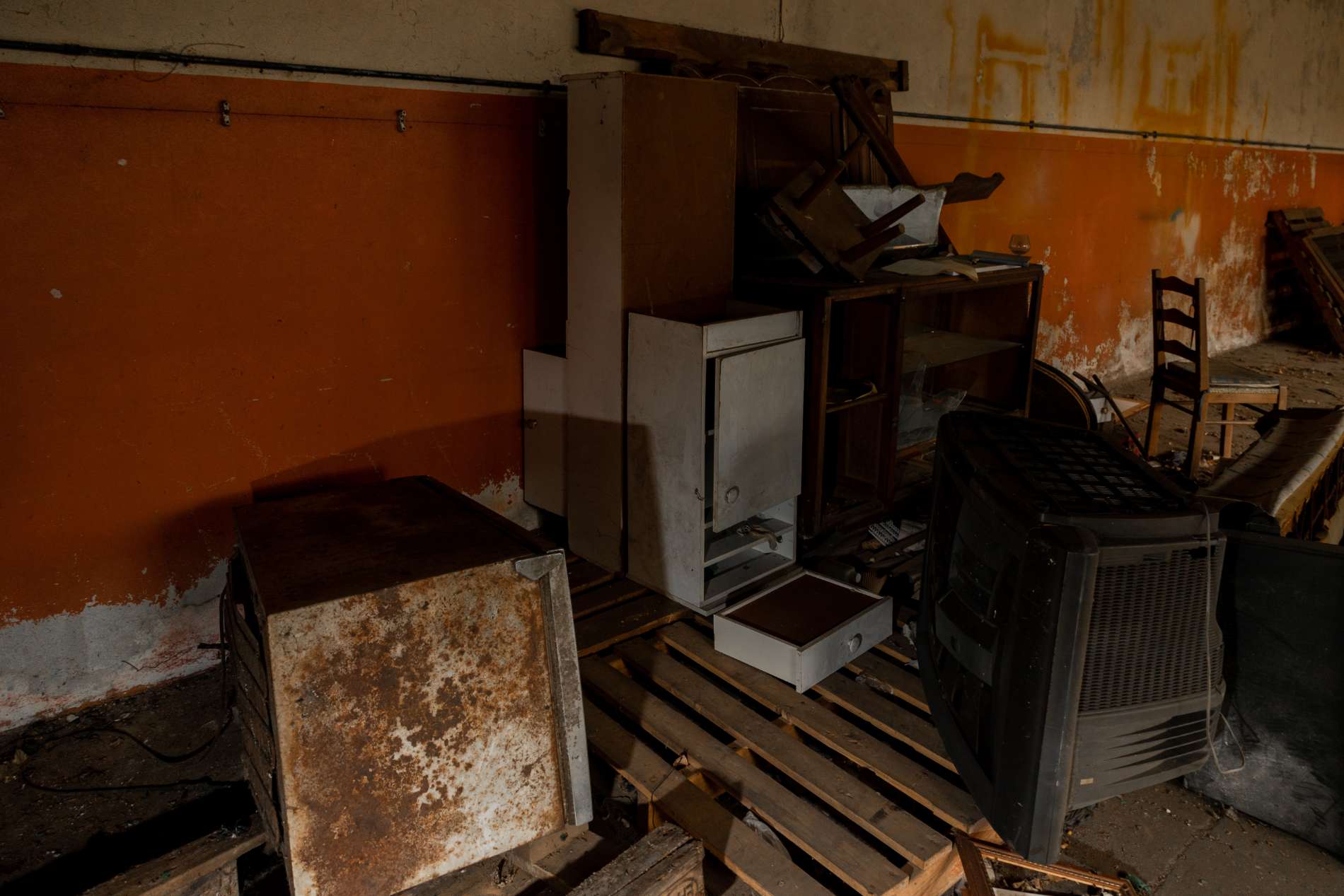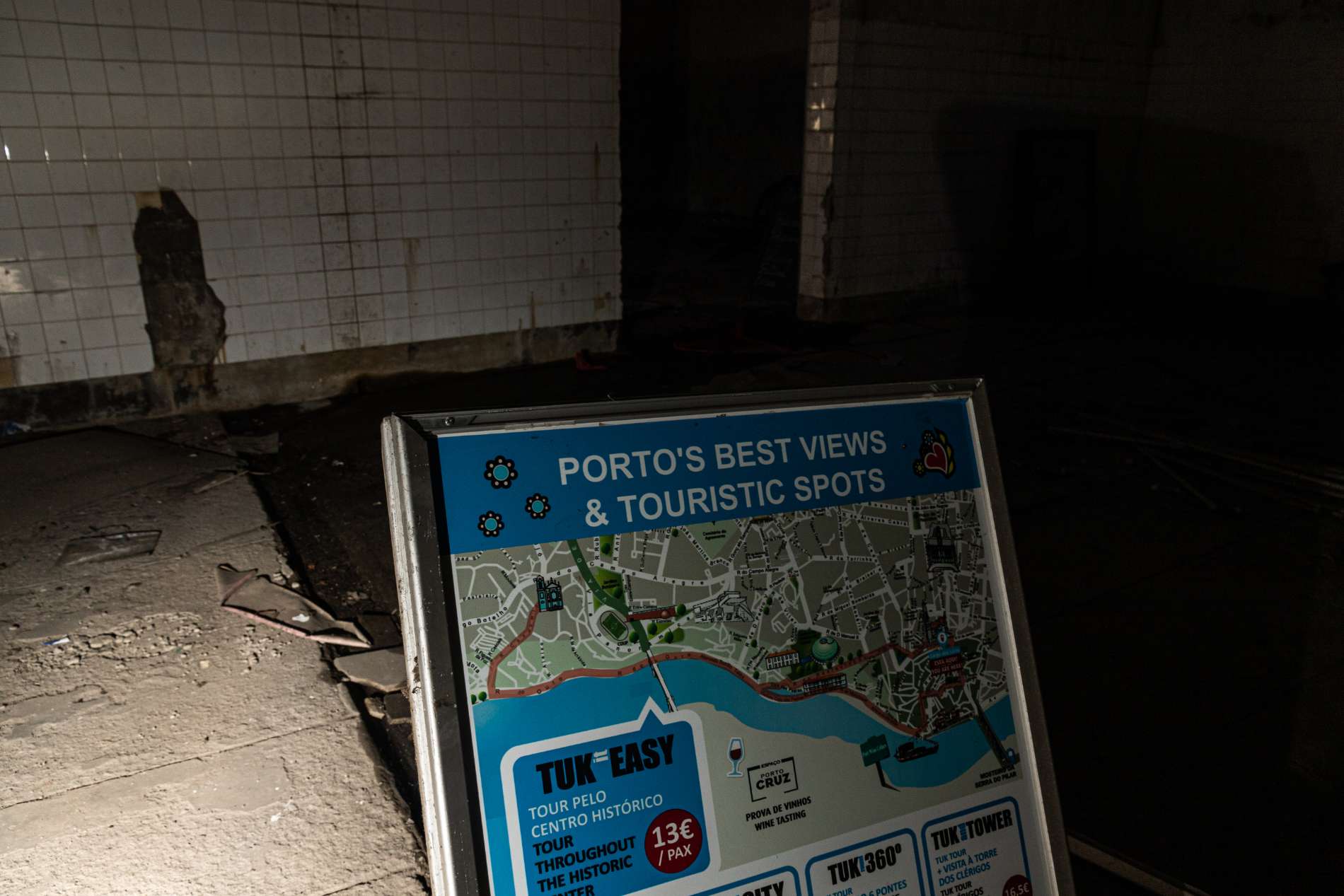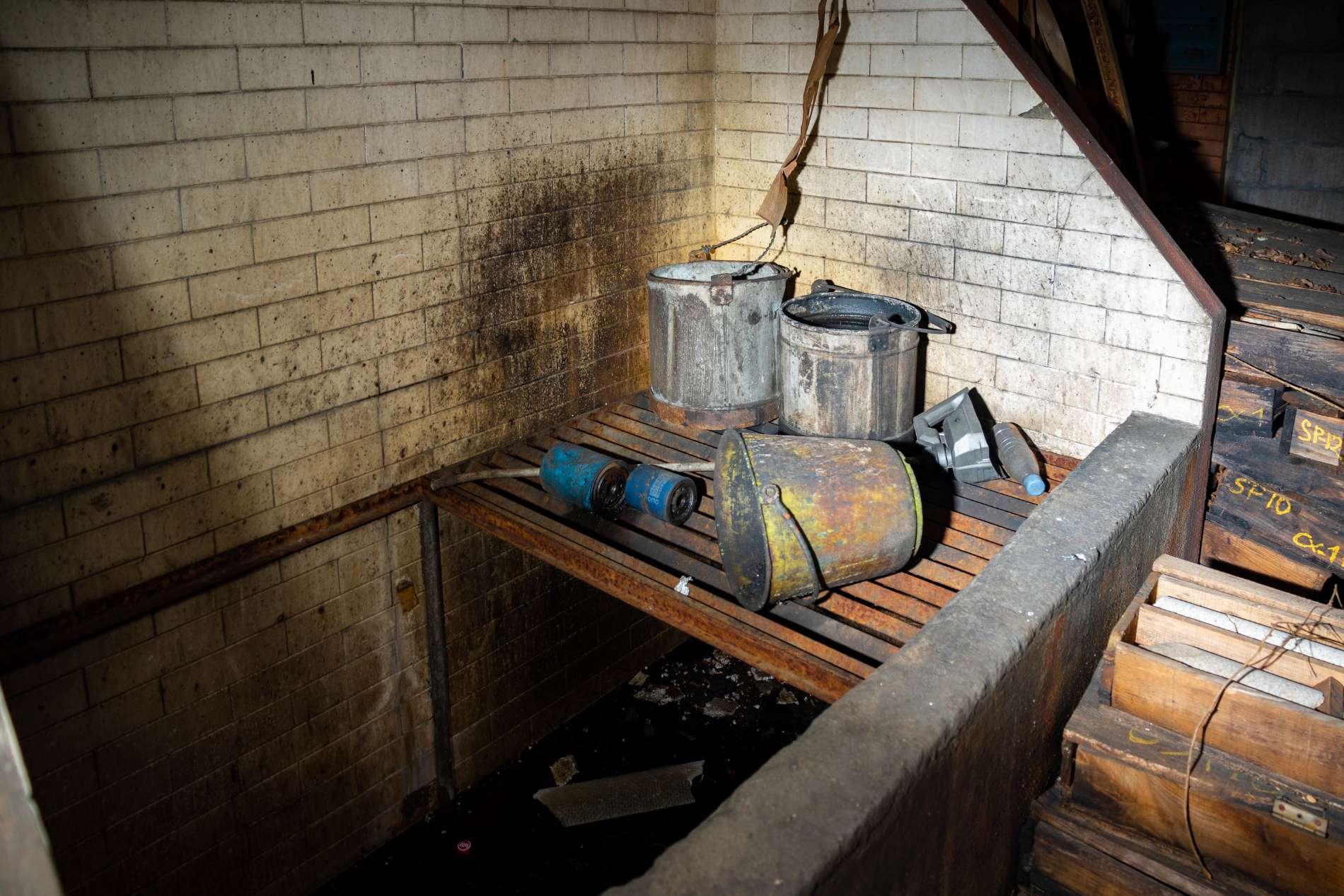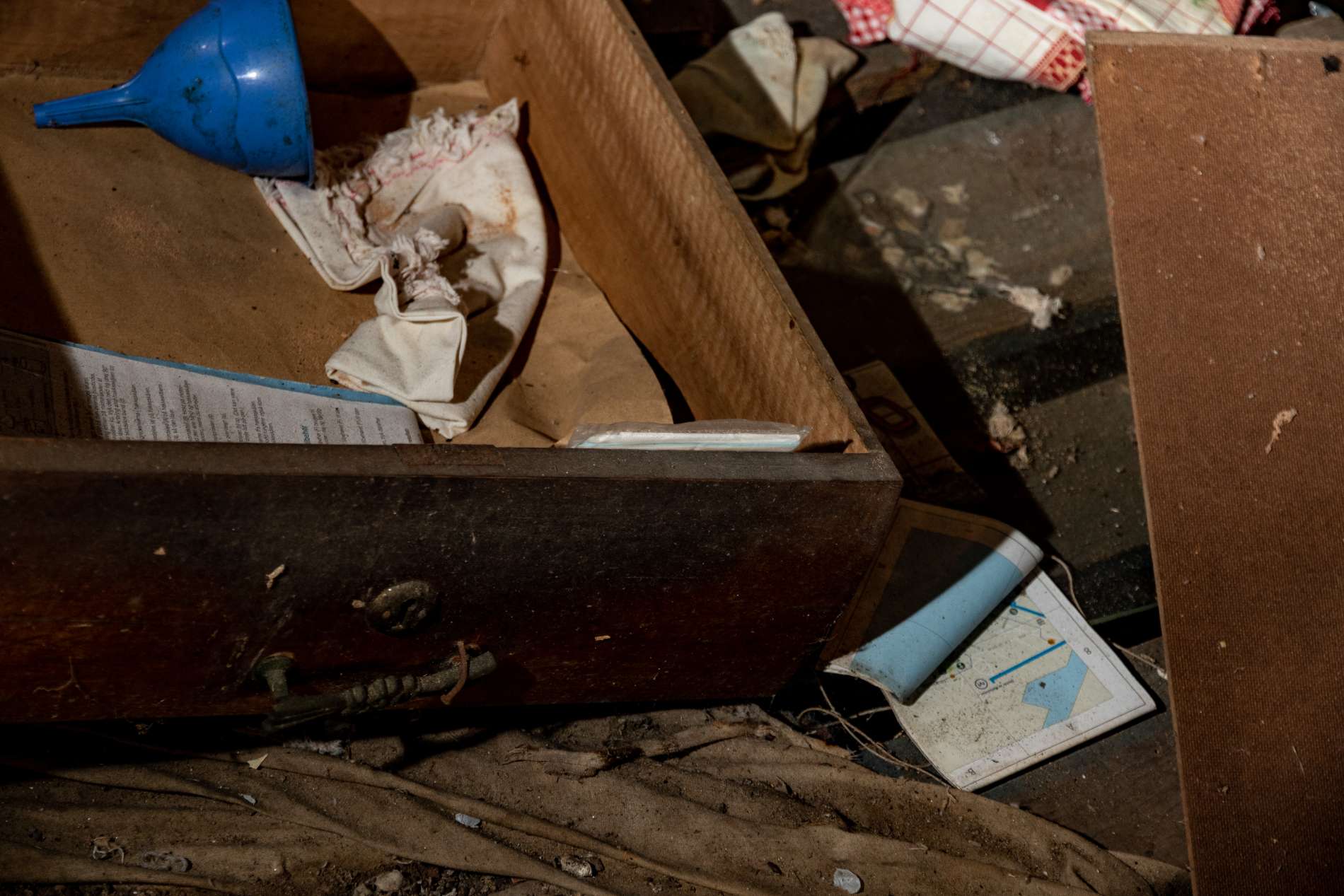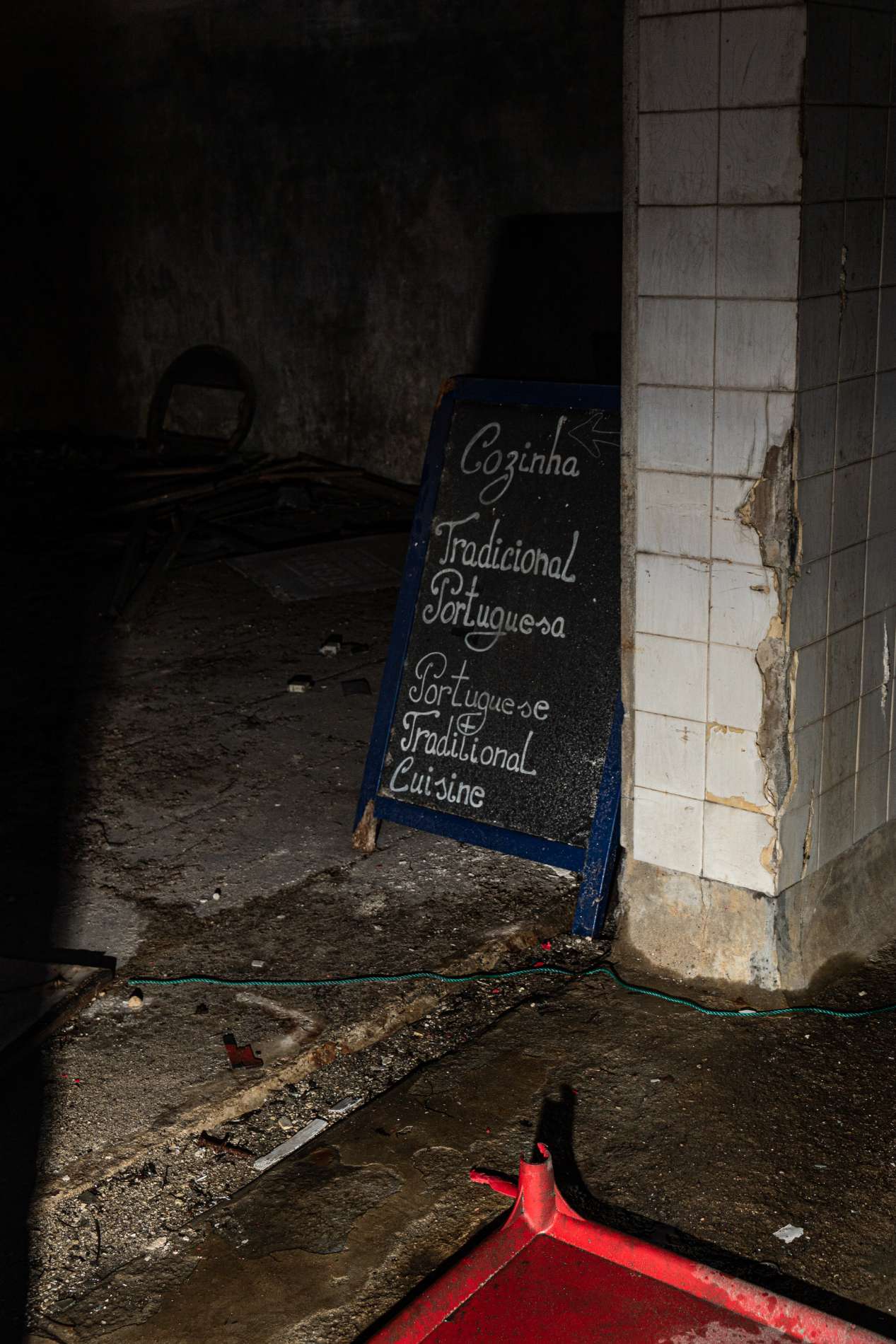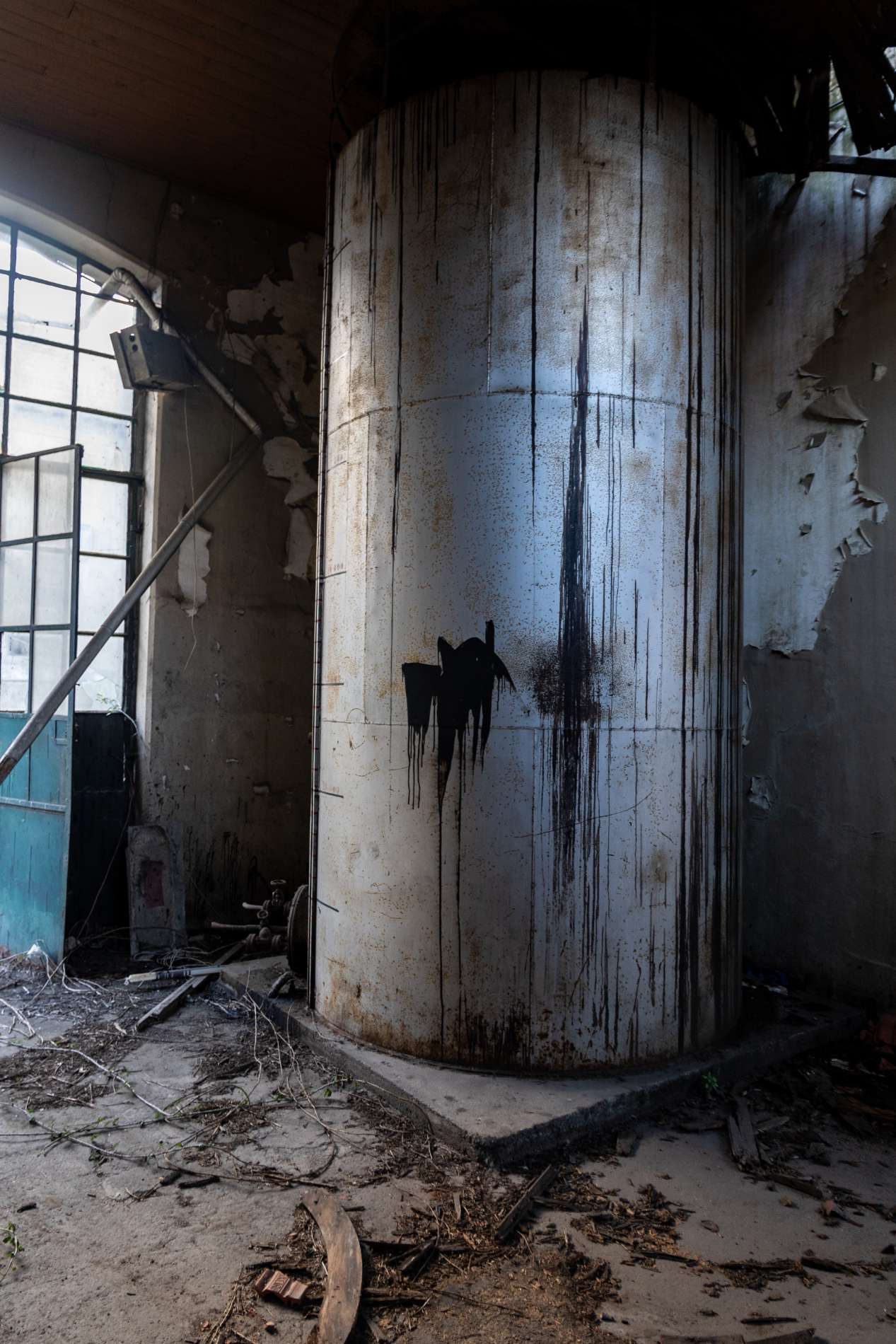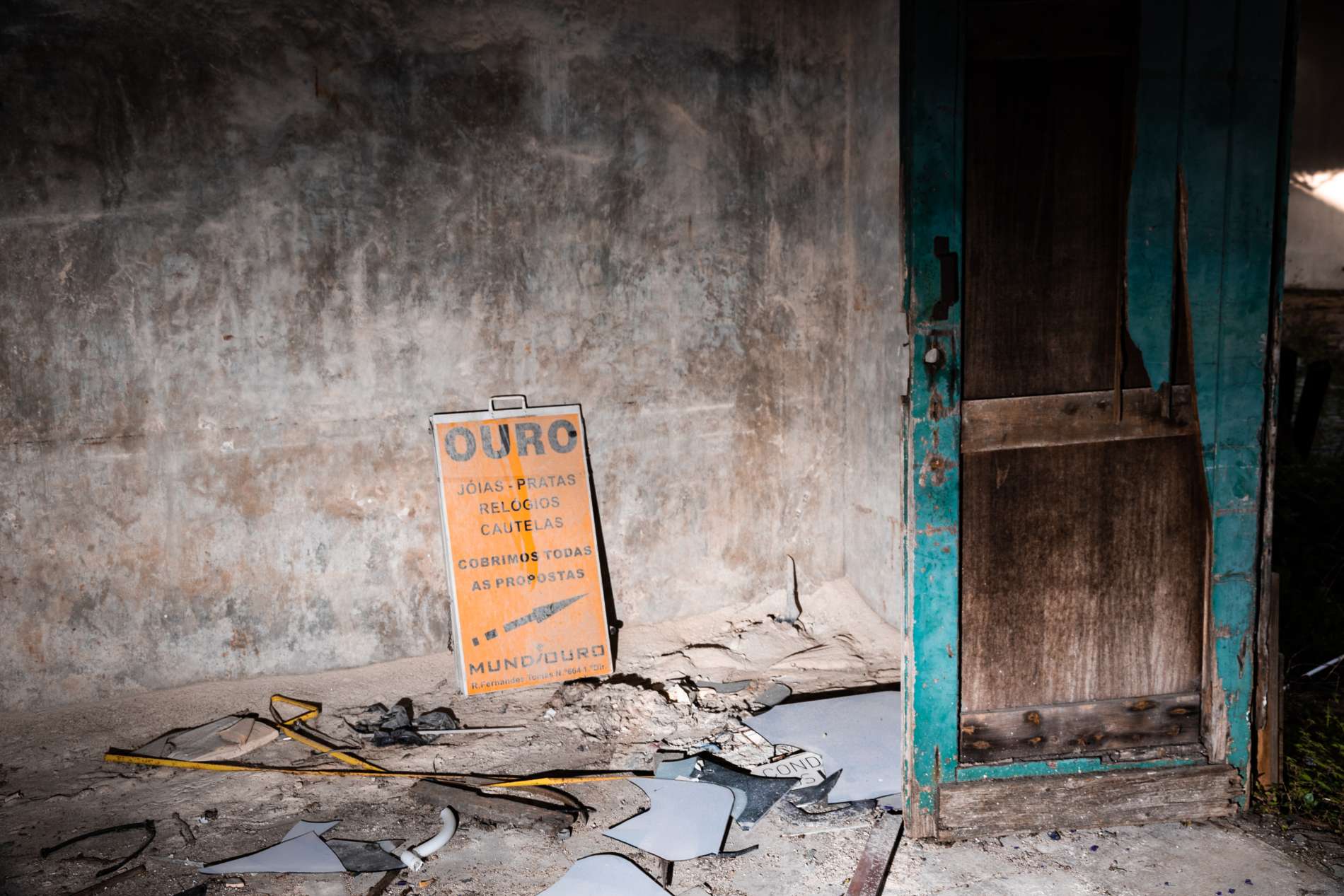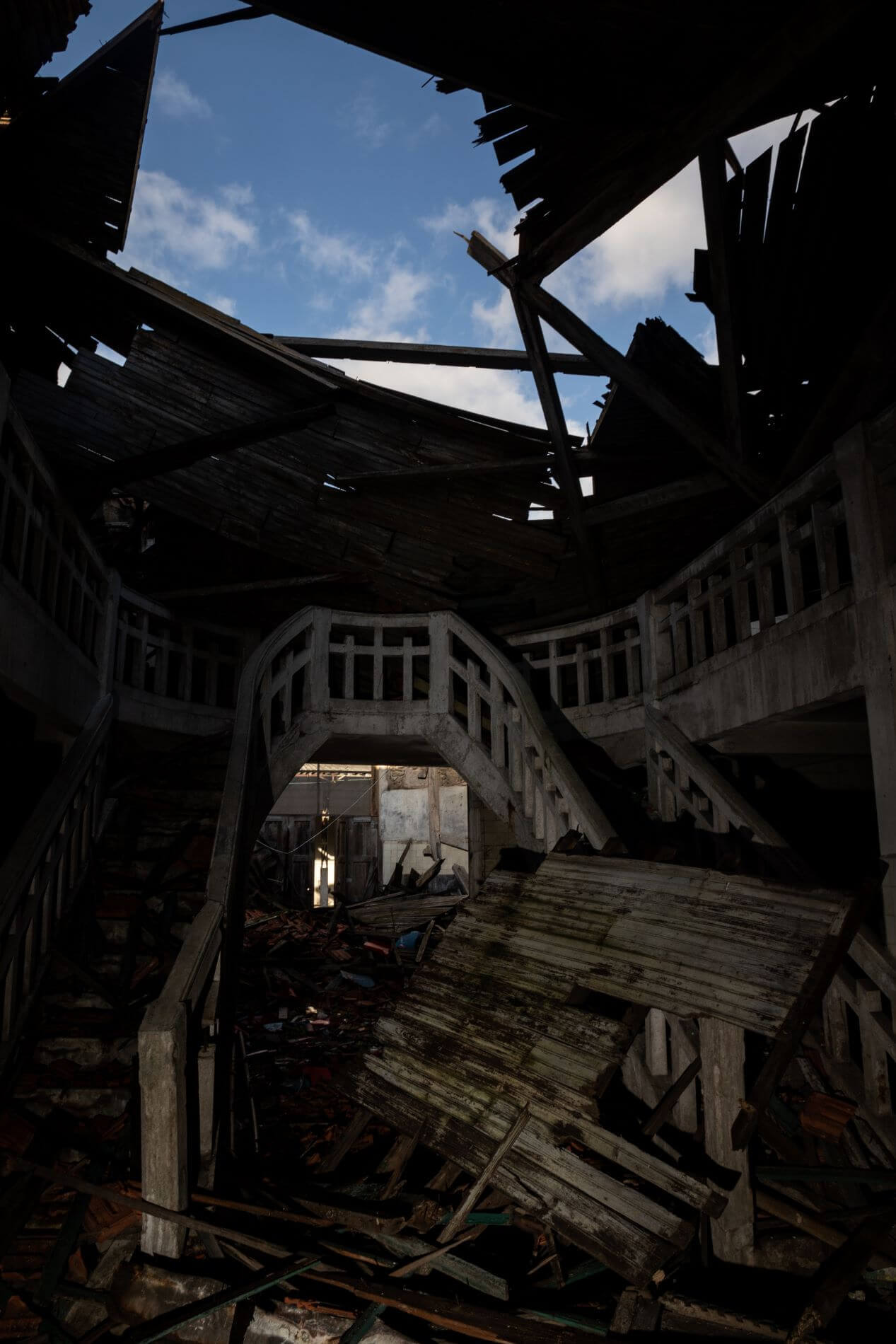
The Matadouro Industrial do Porto was a place with many lives. Built as a slaughterhouse, repurposed for events, abandoned, reused as storage, and eventually left behind entirely, the building carried traces of each transformation without ever settling into a single identity. When I photographed it in 2021, the space was suspended between erasure and reinvention. Its past was still visible in the tiled floors sloped for drainage, in the stark white walls of the slaughtering areas, and in the scale of the architecture. But scattered across the same rooms were remnants from unrelated eras (political billboards from across the city, signage from Portugal Fashion, bottles, confetti, children’s drawings, personal belongings, and even objects too specific to understand).
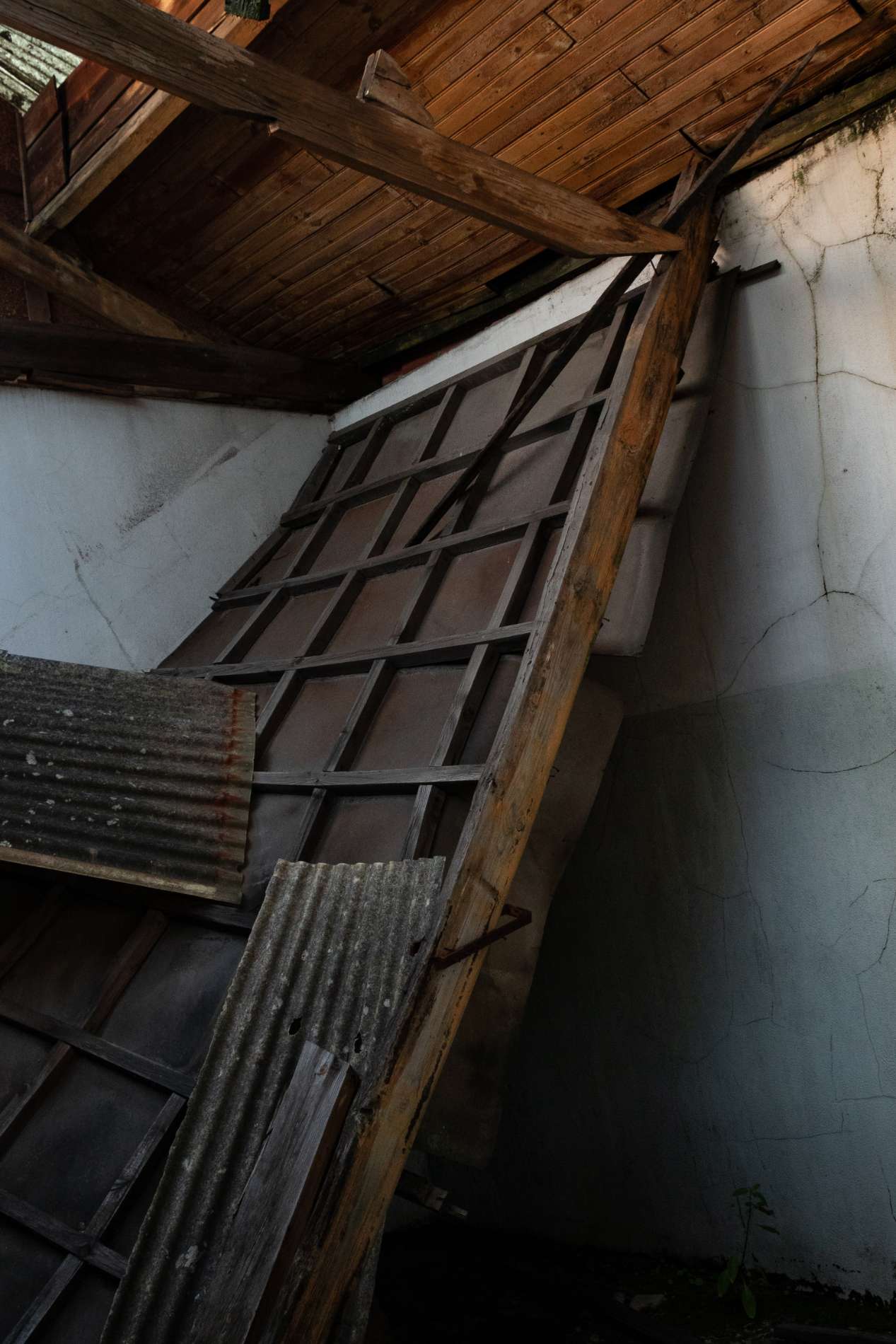
What emerged was not a linear story but a collision of timelines. The building felt abruptly abandoned, as if everyone had left in a hurry. Light entered through broken sections of the roof, casting sharp contrasts between fully illuminated aisles and damp rooms in complete darkness. Echoes amplified the building’s industrial function, turning simple footsteps into reminders of what the space once contained. It felt overwhelming, disorienting, and strangely transparent, as if the building was not offering a narrative but simply revealing what it had accumulated.
By the time I visited, redevelopment had been promised for years, always in the background, never quite materializing. Today, the transformation into M-ODU is underway: a cultural, commercial, and corporate complex designed by Kengo Kuma & Associates and OODA, intended to anchor new activity in the eastern part of the city. Whether this redevelopment will connect meaningfully with local residents or simply impose a new identity remains to be seen. My role is not to decide. The photographs exist as a record of what was there before the architectural diagrams and renderings took over, a document of a building between lives.