I traveled to Lazarim as part of a photowalk organized by Fujifilm Portugal. The day never settled. Rain threatened from the start, the light stayed unstable, and the village moved through that familiar period before an event fully begins, when people are present but nothing has quite taken shape yet.
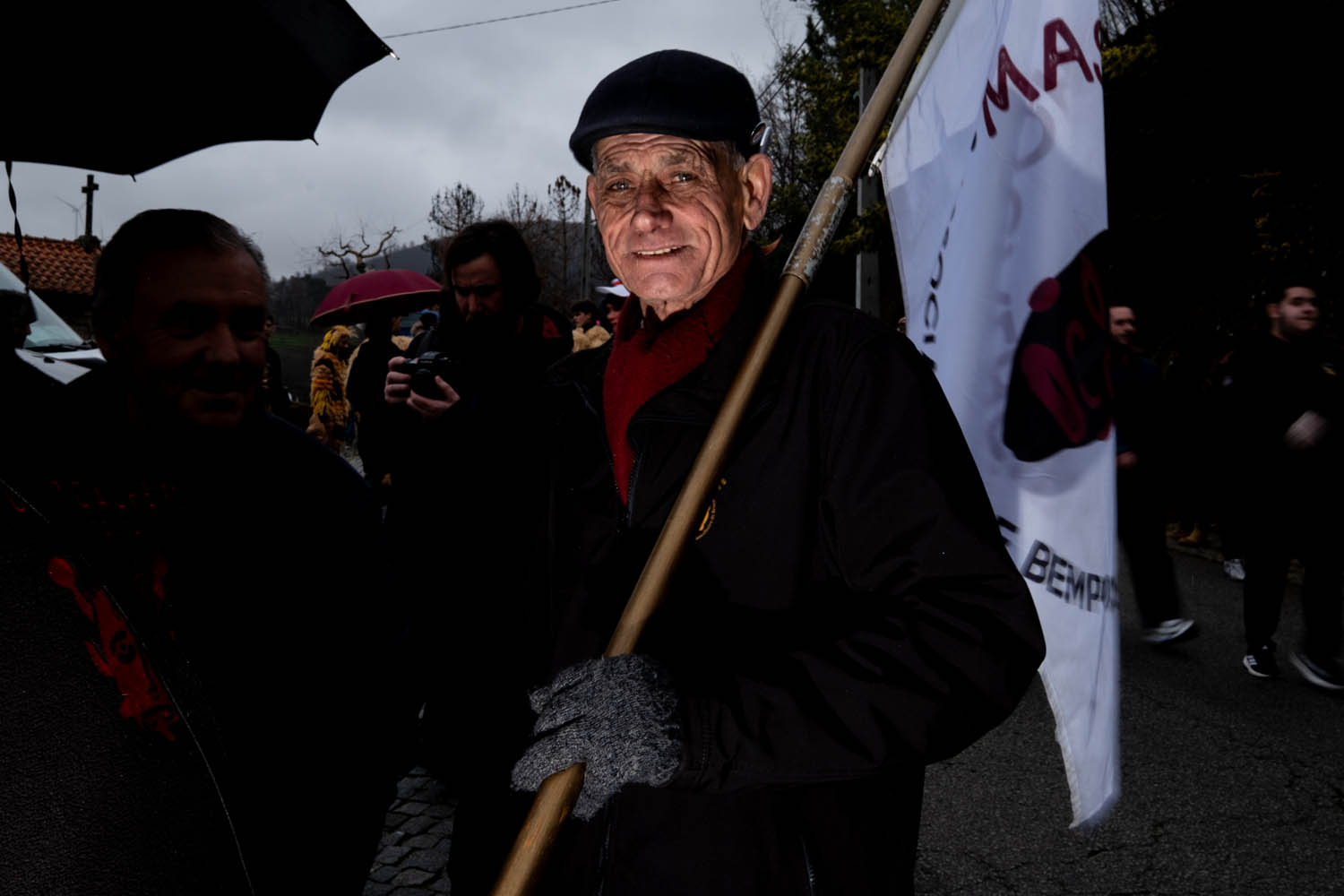
At first, the atmosphere felt almost too quiet. It had the softness of a small village gathering, pleasant but visually unresolved. People waited, talked, drifted between streets. I kept looking for signs that the day would shift, but for a while it resisted that kind of momentum.
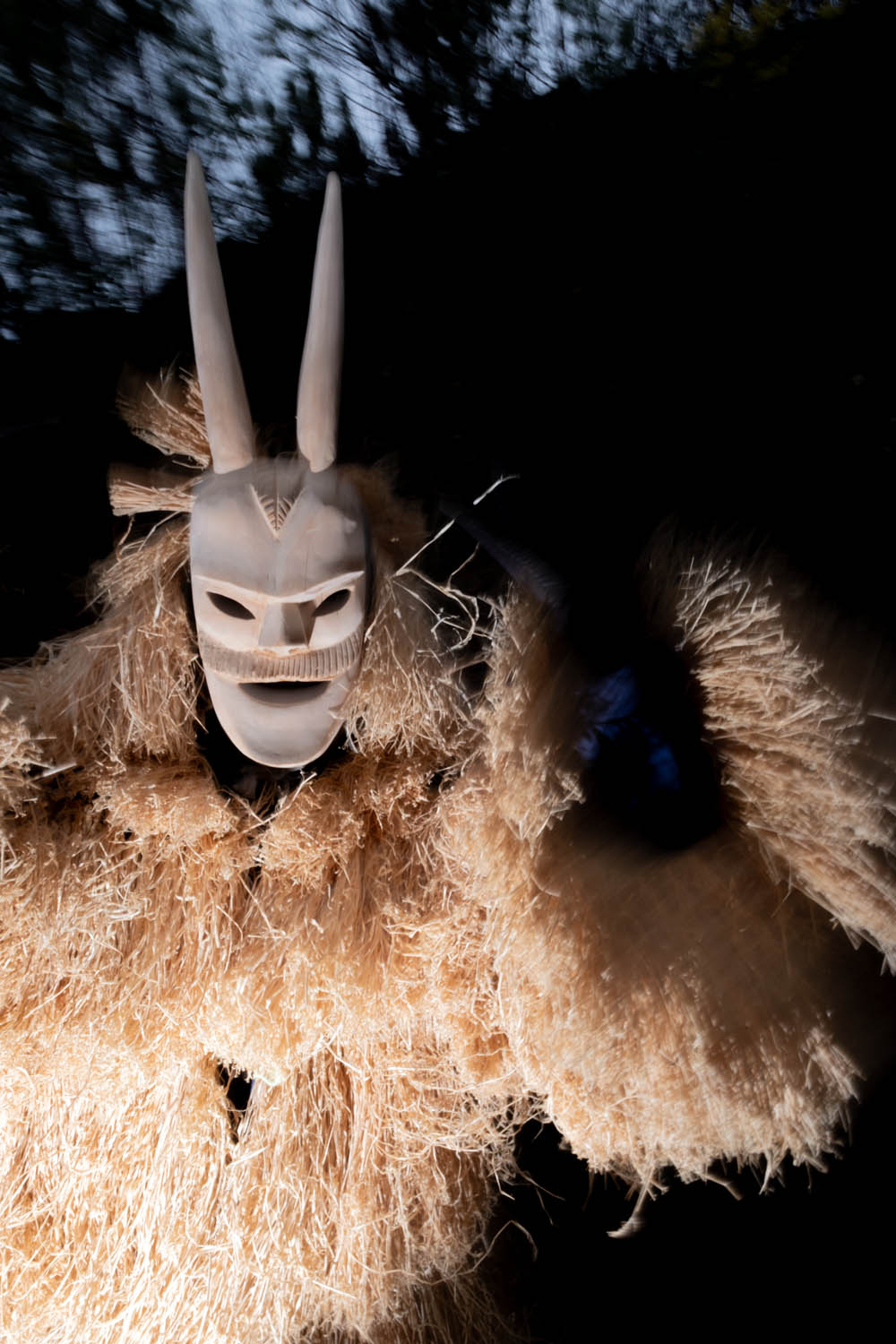
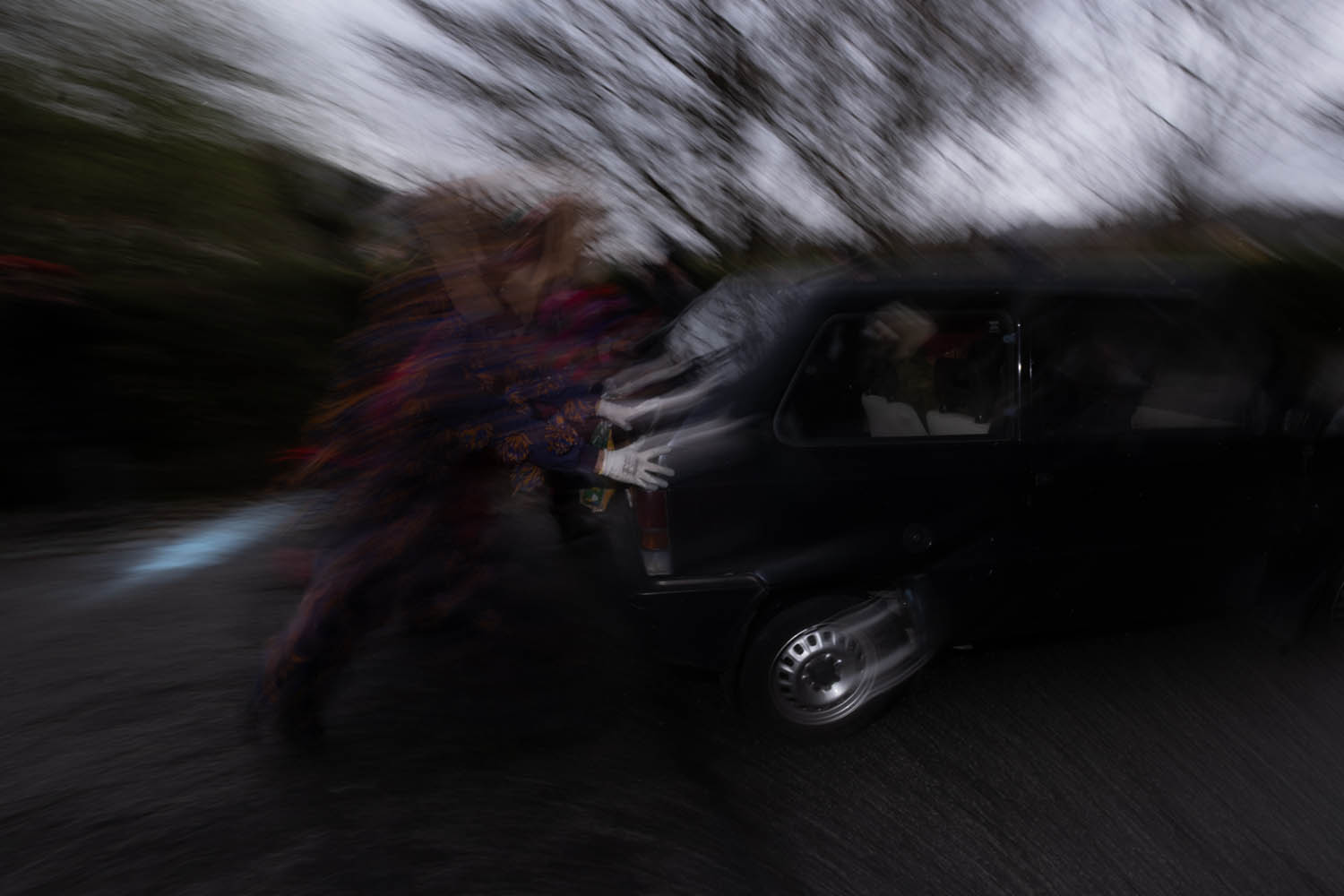
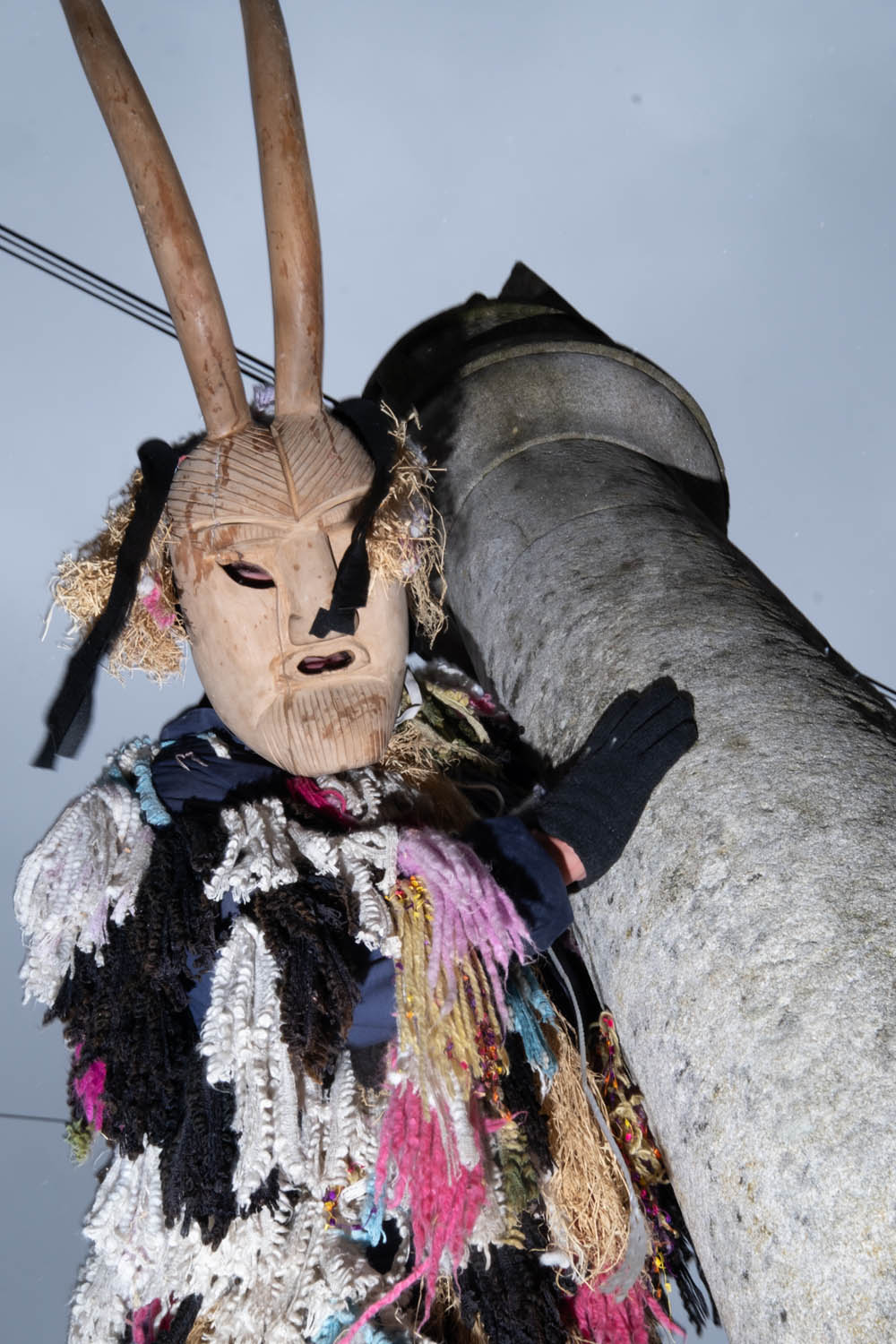
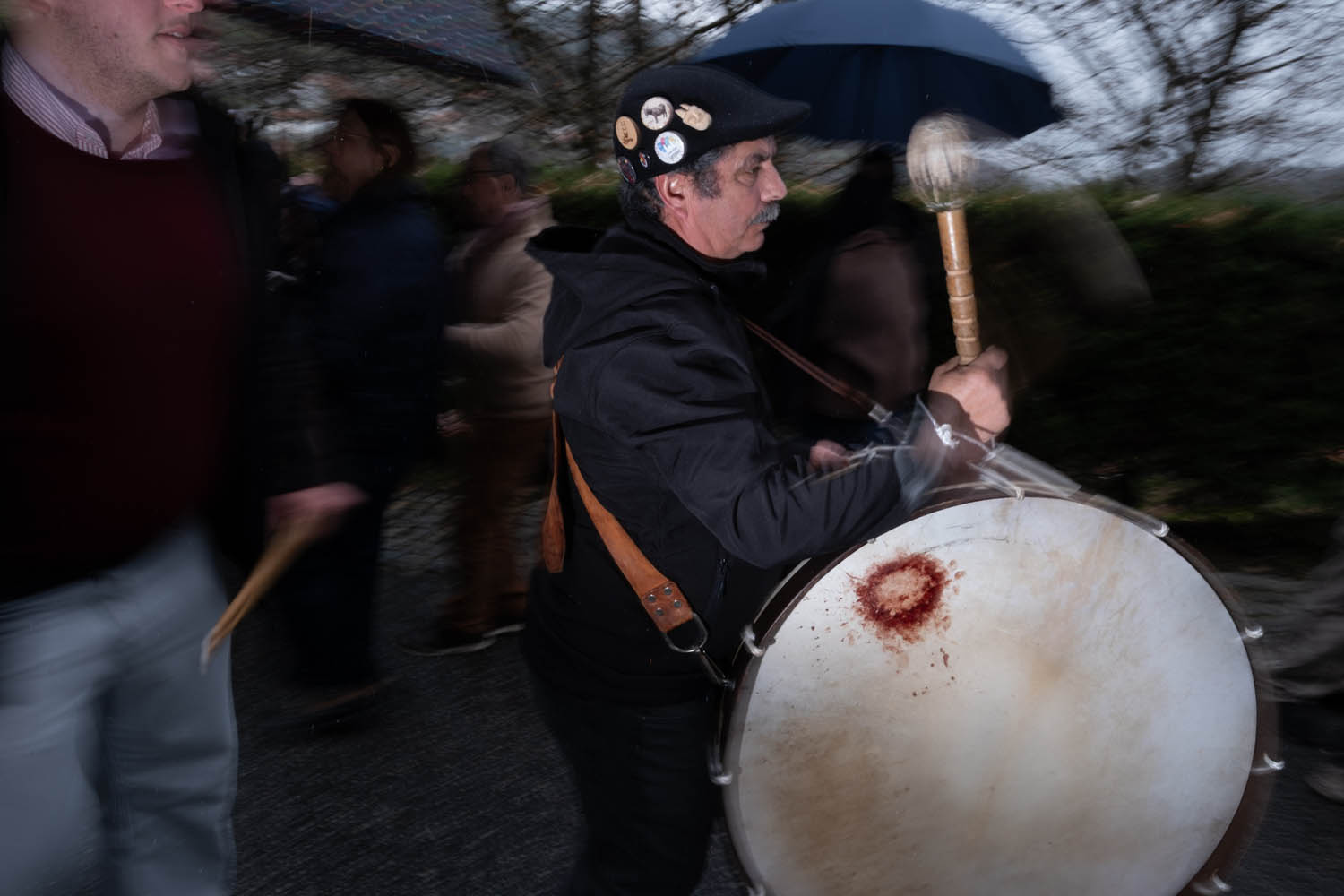
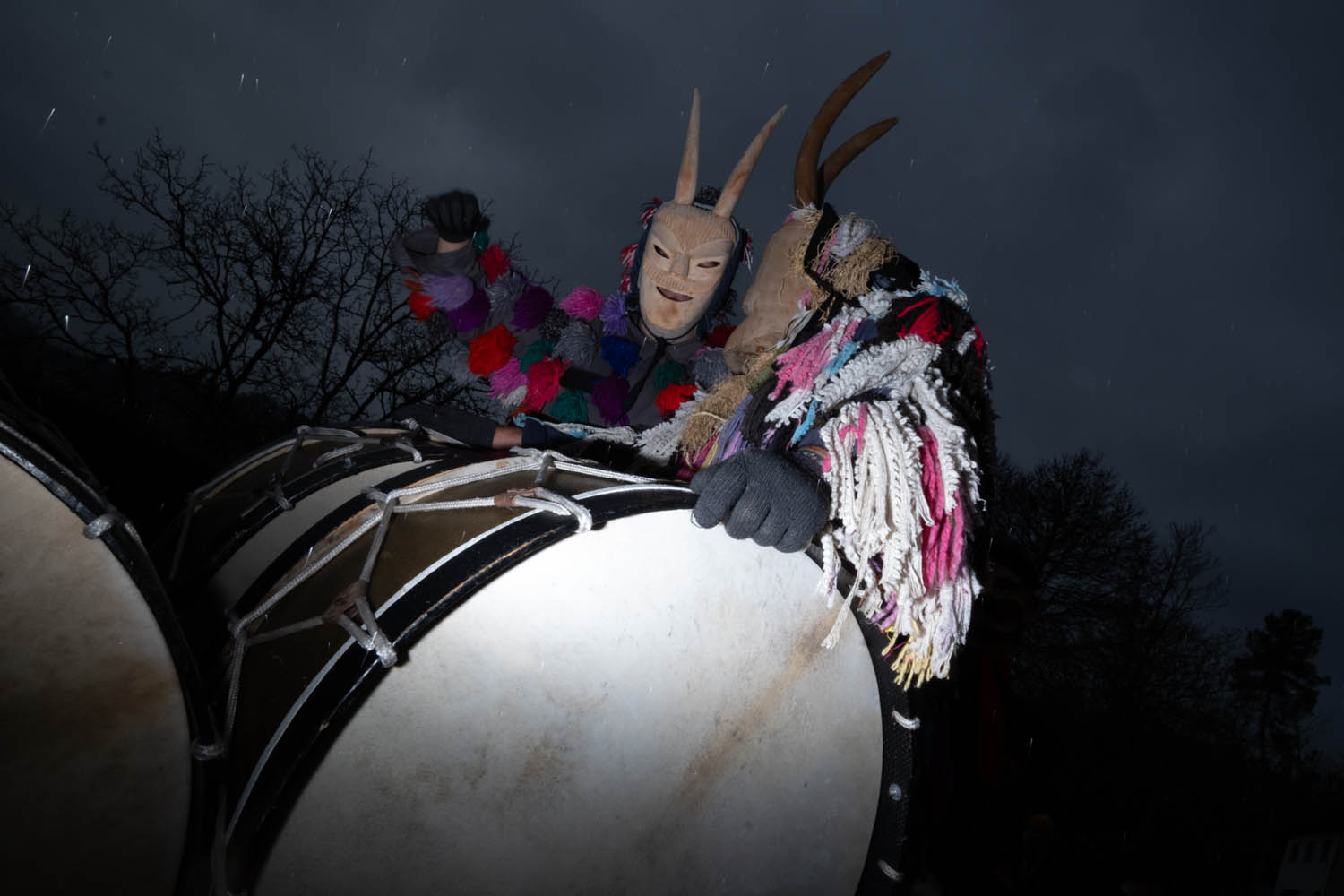
Everything changed once the procession began to form. The streets tightened, the crowd thickened, and the masks started to function differently at close range. What had seemed static earlier became unpredictable. The faces, the straw, the fabric, and the gestures all gained force once they were pressed into movement.
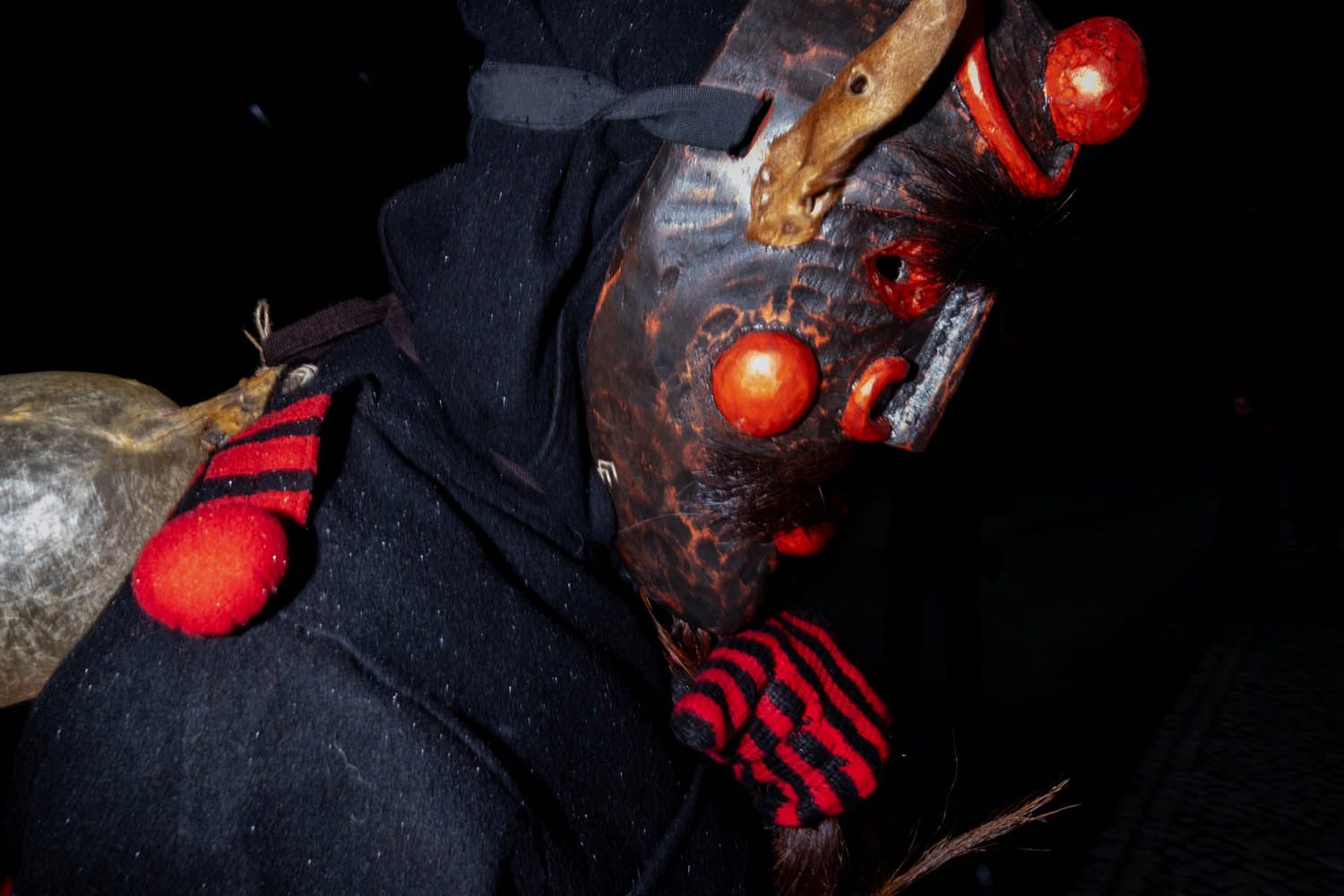
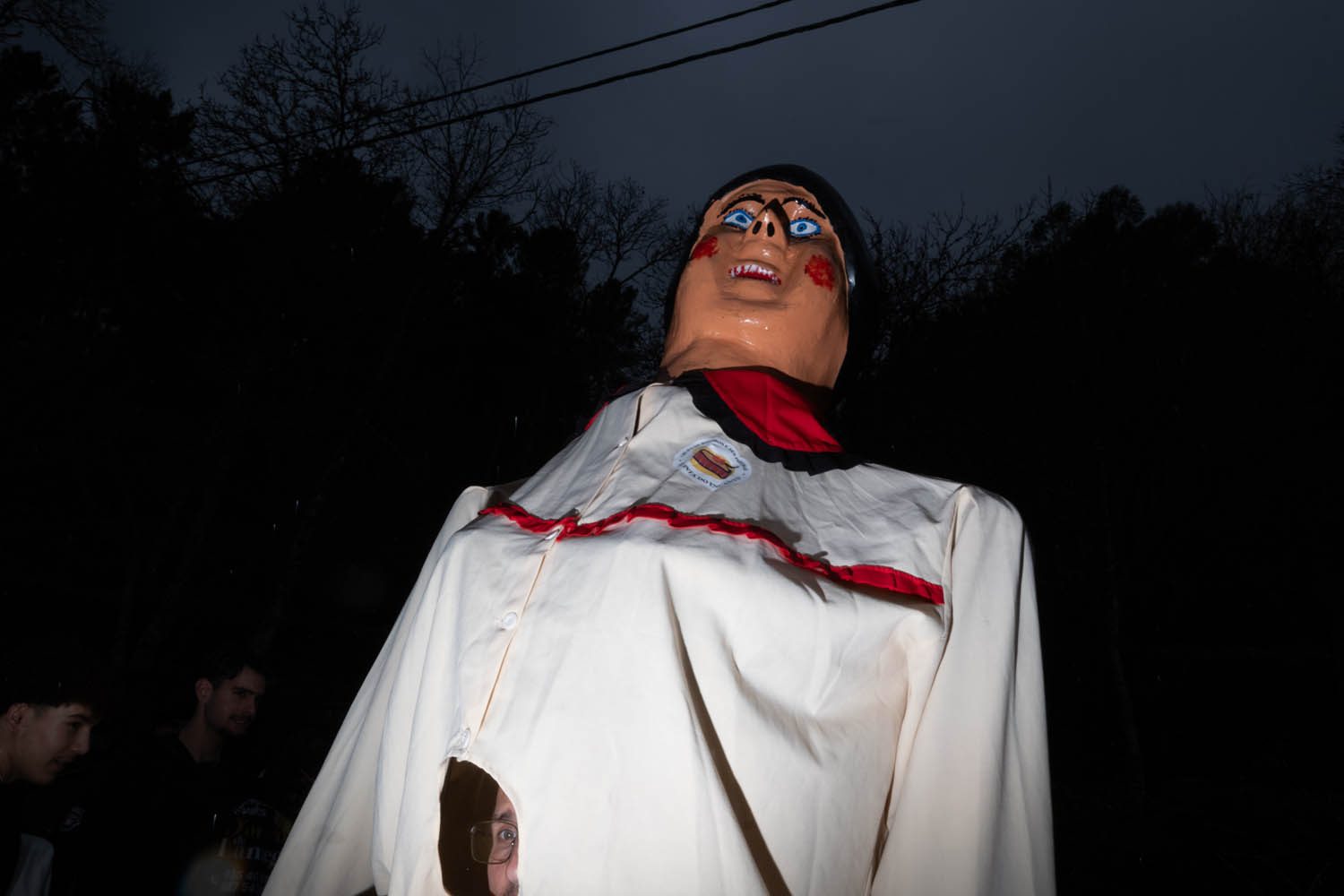
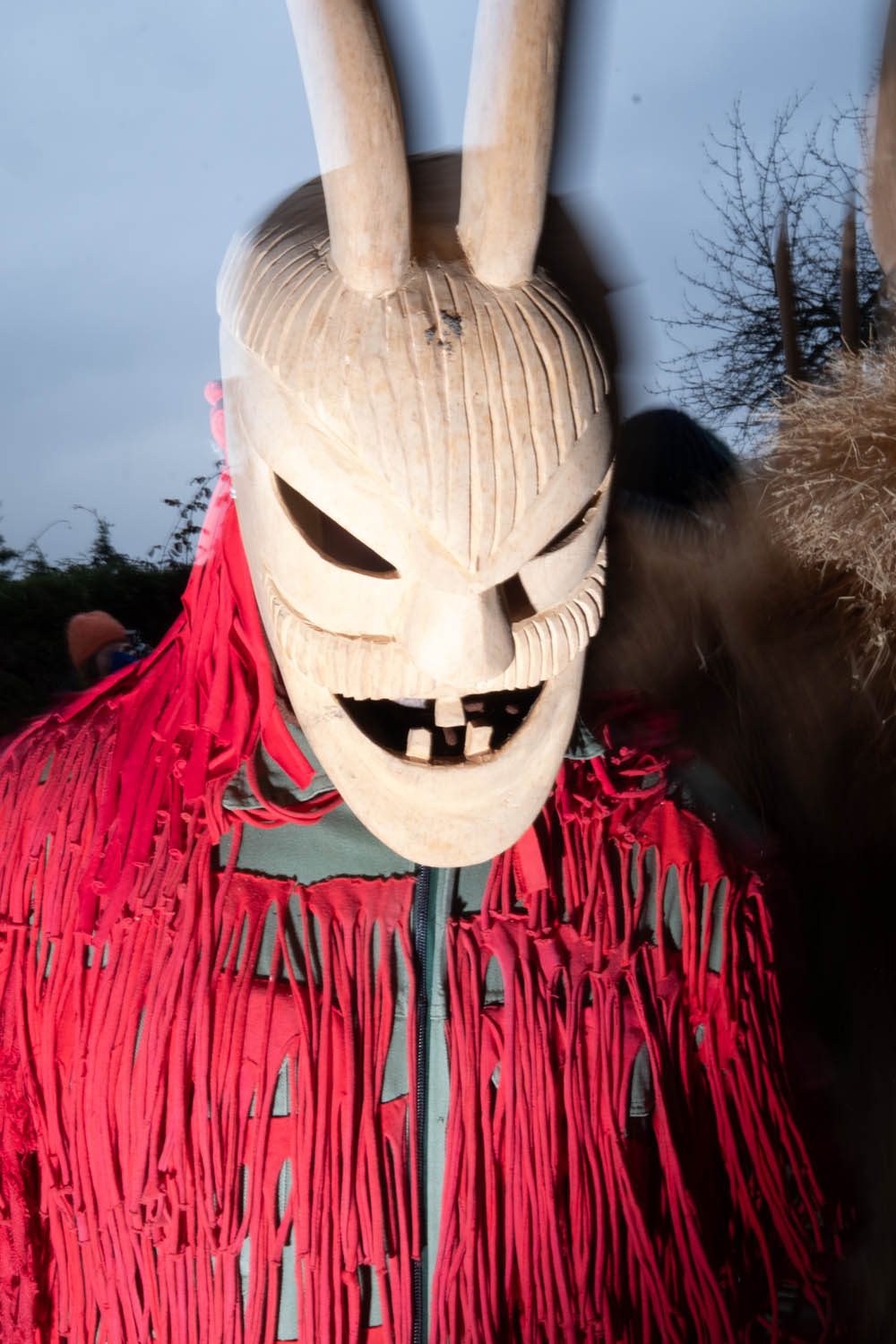
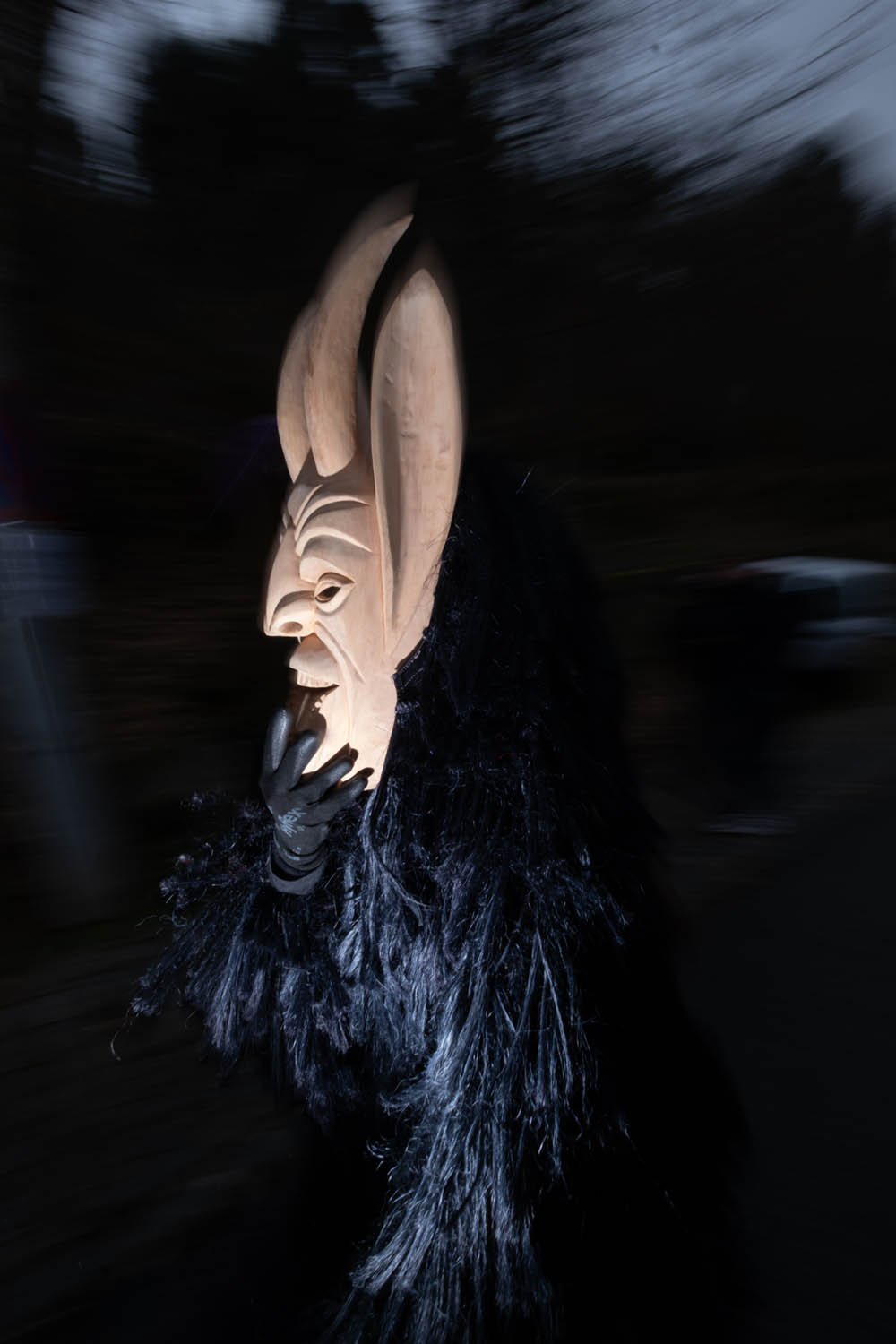
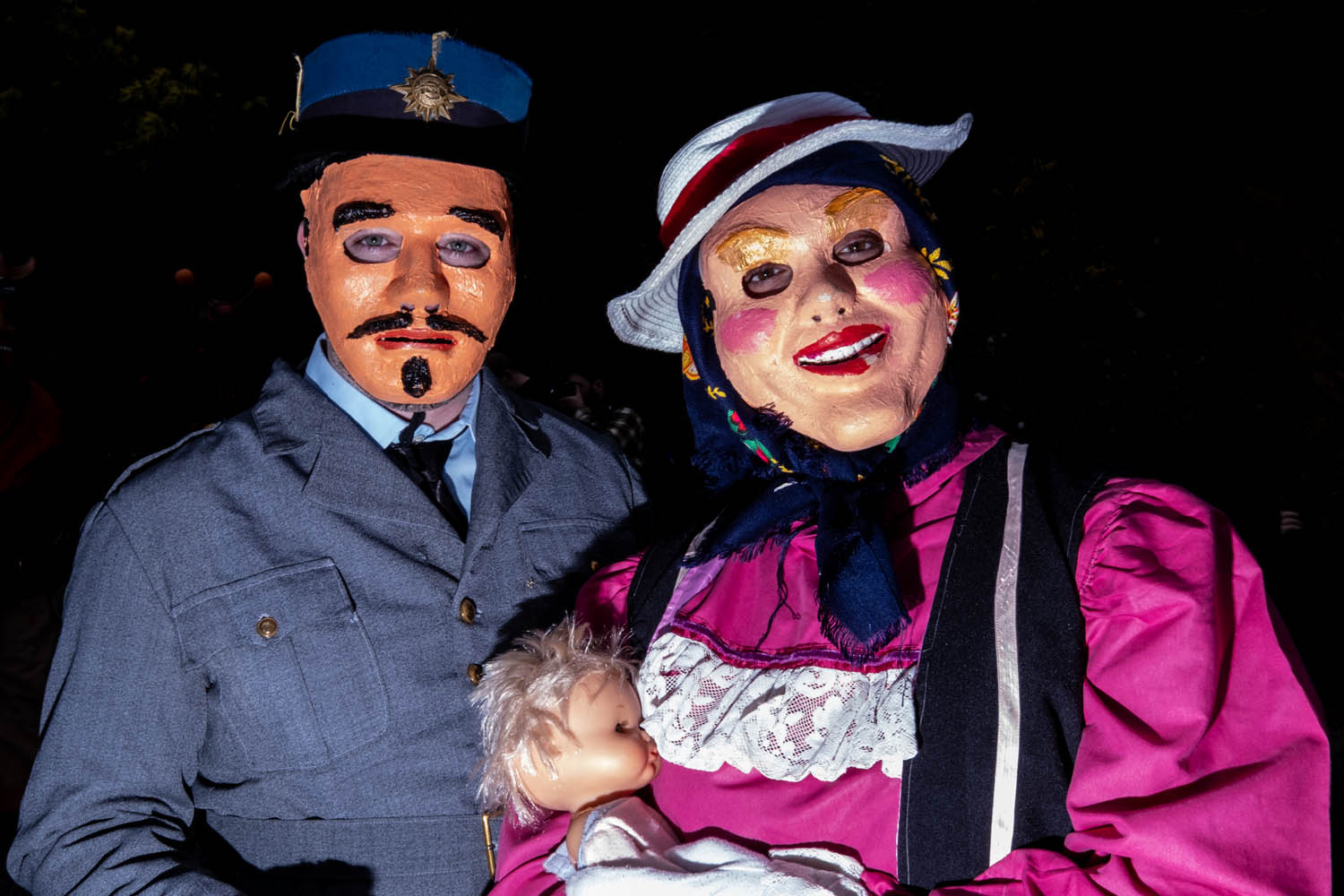
I went there wanting to explore the uncanny side of the celebration, and flash quickly became central to that approach. It let me isolate figures from the crowd and push the strangeness already present in the scene. Painted expressions became harder to read. Wooden faces felt abrupt and overly near. The light made some moments clearer and others more disorienting.
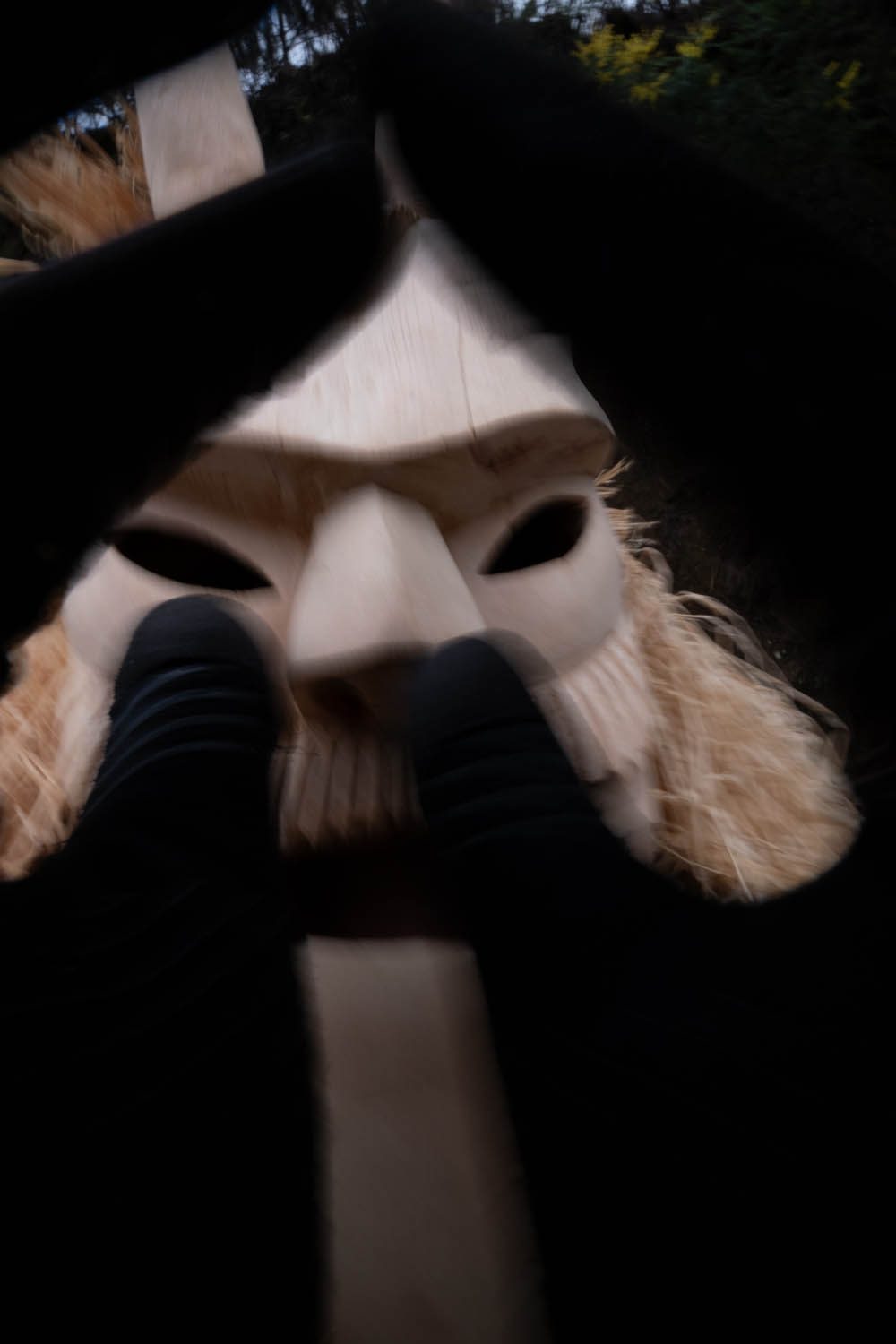
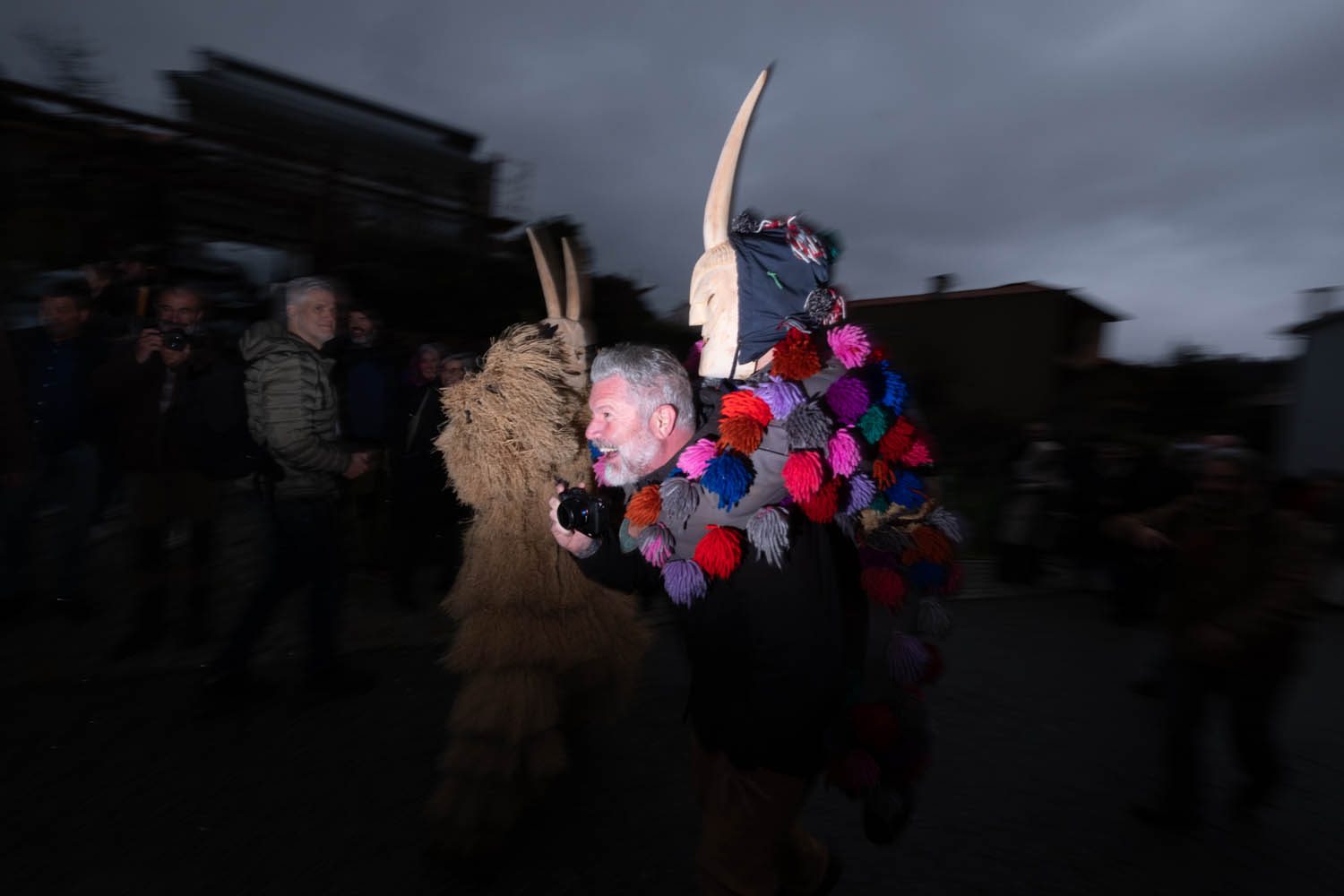
What held my attention most was the level of interaction. The “devils” did not simply pass by the crowd. They entered it, tested it, and folded spectators into the performance. At times, they singled out photographers, jumped onto their backs, and turned the encounter into part of the spectacle. The energy was chaotic, but never aggressive. It felt playful, direct, and unusually open.
That unpredictability shaped the work more than anything else. I was trying to stay close enough for the photographs to feel immediate without becoming intrusive, especially while using flash in a packed space. Movement came from every direction, often too quickly to resolve cleanly. Some of the images I kept most are the ones where that instability remains visible.
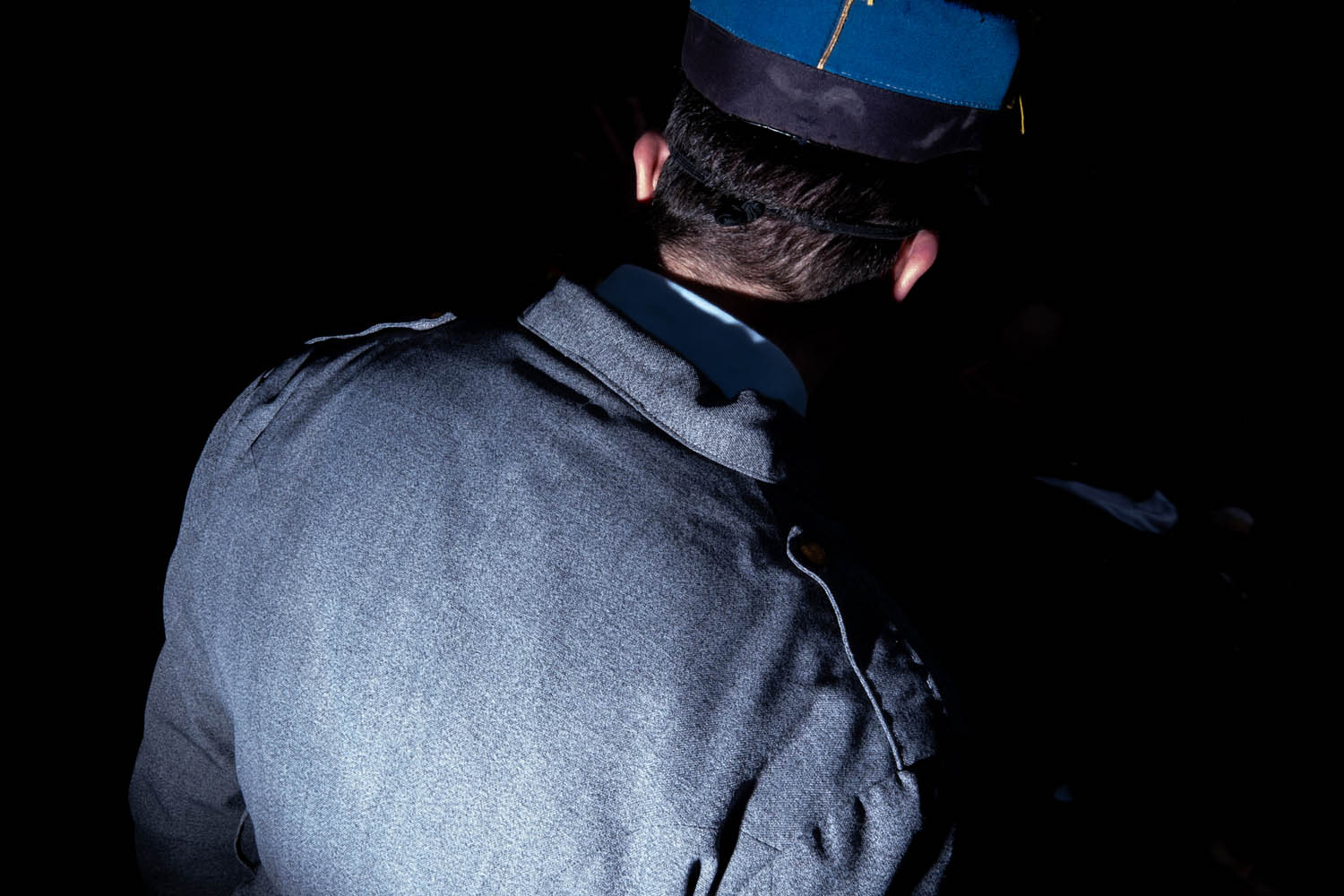
As the afternoon darkened, the atmosphere became denser and stranger. The village that had felt almost uneventful a few hours earlier now felt charged. The photographs that mattered most to me were the ones where humor, disturbance, and performance started to overlap: a face held in direct light, a figure arriving too close to frame cleanly, a gesture that felt both theatrical and unpredictable.
I left with the sense that the work had landed close to what I had imagined beforehand. Not as a full account of Lazarim, but as a more subjective reading of it from inside the crowd. The project became less about documenting a known tradition and more about finding a visual language for the tension between ritual, play, and unease.